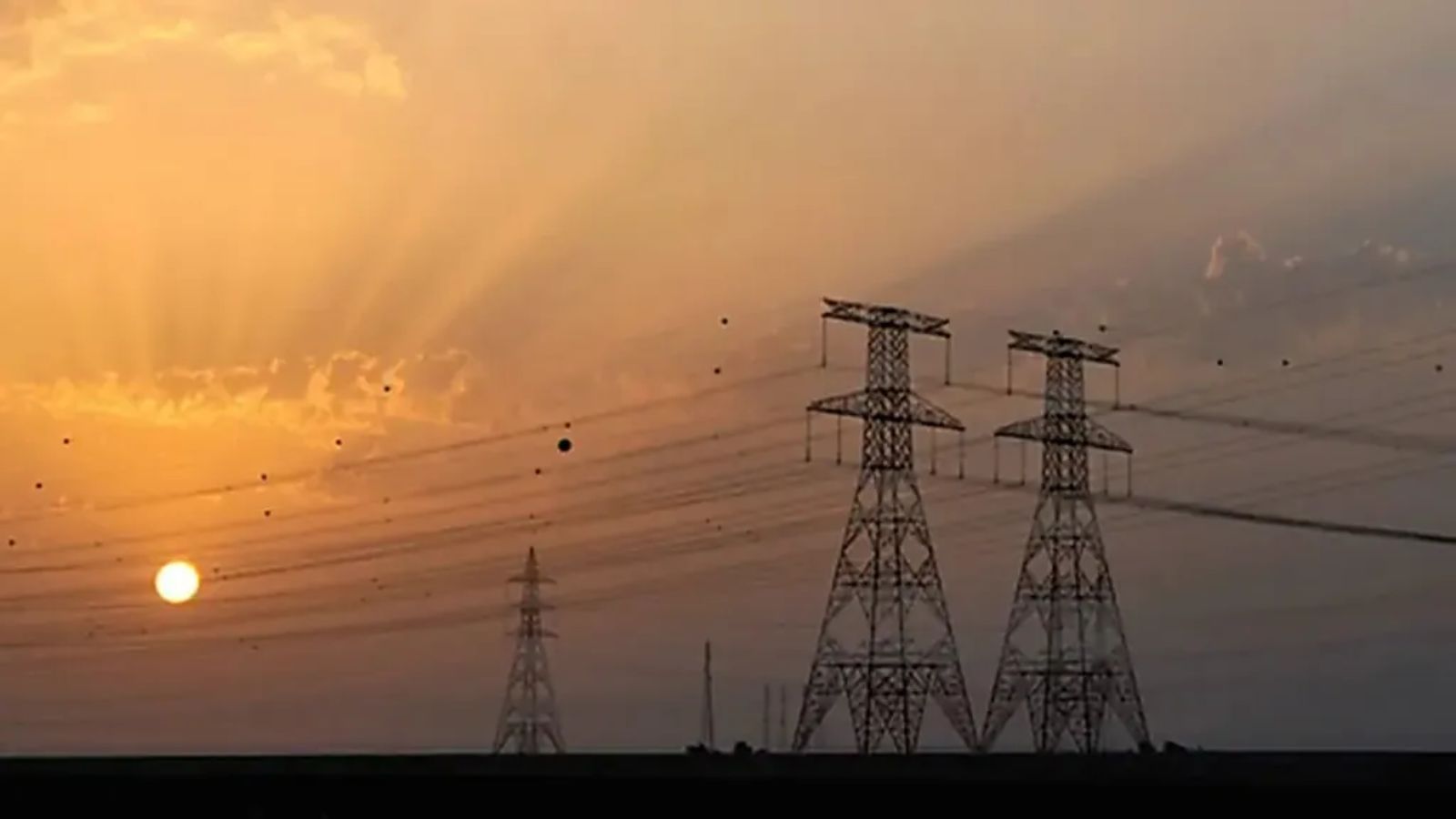
The power crisis in Punjab has escalated sharply, with industrial consumers facing scheduled power cuts of up to 14 hours, threatening state production and worker welfare.
- Industrial consumers in Categories 2 and 3 are facing cuts of up to 14 hours.
- PSPCL officials indicated supply disruptions could last until Sunday morning.
- Peak power demand in Punjab has surged to 16,519 MW.
- Operational issues at private thermal plants and coal scarcity are cited as major causes.
The electricity crisis across Punjab has taken a severe turn. On Saturday, the situation escalated as designated industrial consumers in Category 2 and 3 faced scheduled power cuts lasting up to 14 hours in various parts of the state. This is a significant jump from last week, when industrial units were subjected to mere four-hour outages.
In major industrial hubs like Ludhiana, Jalandhar, Amritsar, and Mohali, the shutdown began as early as late afternoon. In Ludhiana, which accounts for over 60% of Punjab's industrial output, manufacturers reported that the power was disconnected without prior notice, forcing many to abandon their night shifts entirely.
Why This Matters
BozokMedia analysis shows that this crisis extends beyond manufacturing losses. The prolonged outages are creating a ripple effect, impacting the daily lives of thousands of workers living in industrial clusters like Dhandari Kalan and Giaspura, who are left without electricity after long working hours.
'How are we going to survive like this? We have not seen such a crisis ever in our lives.' - Gurmeet Singh Kular, President, FICO
The root of the problem appears to be a massive surge in demand coupled with a decline in supply. Punjab recorded a peak load of 16,519 MW this Saturday, a stark contrast to the 12,489 MW recorded during the same period last year. Additionally, the non-operational status of units at Nabha Power and Talwandi Sabo thermal plants has further strained the grid.
Historical Background
Historically, Punjab's power management has fluctuated based on seasonal demand and agricultural requirements. However, the current mismatch between peak industrial demand and available thermal generation—compounded by coal supply logistics—indicates a systemic failure in long-term energy planning and procurement.
| Metric | Last Year | Current Year |
|---|---|---|
| Peak Power Demand | 12,489 MW | 16,519 MW |
| Typical Industrial Cut | 4 Hours | 14 Hours |
Frequently Asked Questions (FAQs)
1. What is causing the sudden increase in power cuts?
The increase is driven by a sharp rise in peak demand and technical issues at thermal power plants, alongside coal shortages.
2. How are industrial leaders reacting?
Leaders like FICO have suggested rotational weekly offs for industries to manage the load more predictably instead of daily disruptions.


