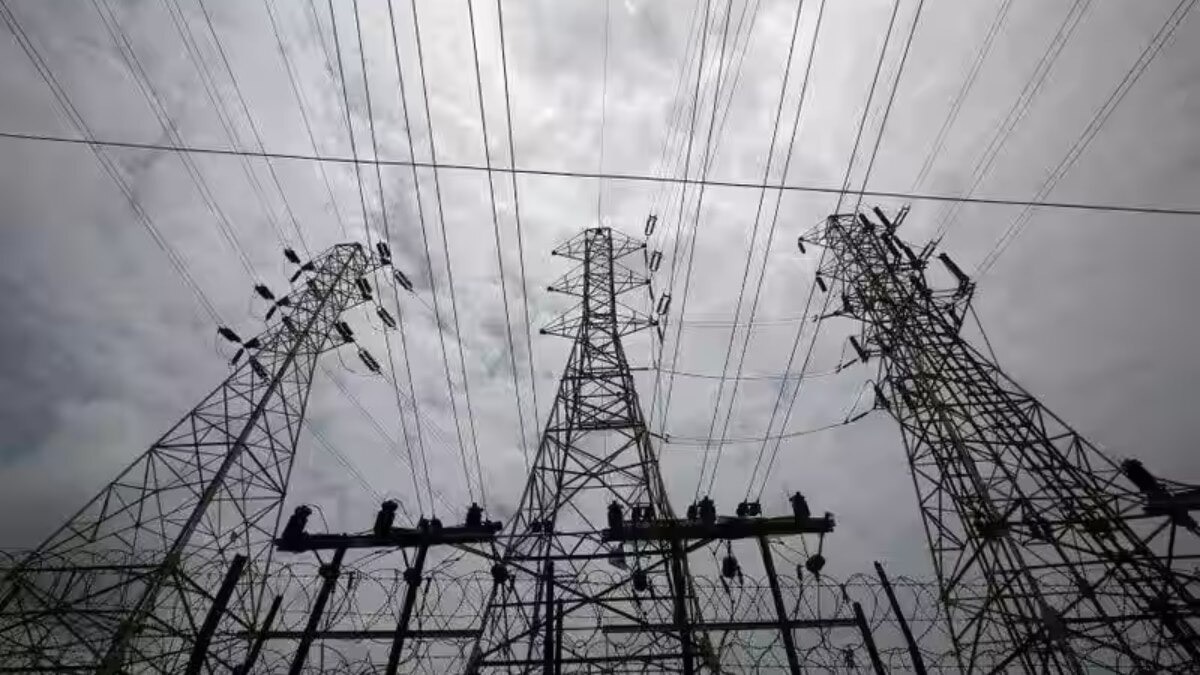
A severe electricity crisis in Punjab is causing widespread disruption, with power cuts lasting up to 14 hours. Low coal stocks and technical outages are hitting industrial production and paddy irrigation hard.
- Punjab's peak power demand surged to 16,519 MW, significantly higher than last year's 12,489 MW.
- Technical outages and coal shortages have reduced generation capacity by approximately 1,915 MW.
- Industrial sectors and paddy farmers in regions like Moga are facing severe economic distress.
Punjab is currently grappling with an acute power crisis as electricity supply struggles to meet soaring demand. Prolonged outages, stretching up to 12 to 14 hours in several districts, have thrown the state's industrial and agricultural sectors into turmoil. The crisis is being fueled by a combination of depleted coal stocks, technical failures at key power plants, and an unprecedented surge in electricity consumption.
What began as scheduled four-hour cuts for industrial consumers has rapidly escalated into a state-wide emergency. Major industrial hubs, including Ludhiana, Jalandhar, Amritsar, Mohali, and Rajpura, reported massive disconnections, leaving factories in complete darkness for extended periods. This has forced manufacturers to rely on expensive diesel generators, driving up production costs and threatening order fulfillment.
Why This Matters
BozokMedia analysis shows that the energy deficit in Punjab is not merely a seasonal fluctuation but a structural challenge. The state's peak load reached 16,519 MW on Saturday, representing a massive jump from the 12,489 MW recorded during the same period last year. This surge, coupled with a loss of nearly 1,915 MW of generation capacity due to plant outages, has created a dangerous supply-demand gap.
The convergence of coal shortages and technical plant failures is pushing Punjab's energy infrastructure to its breaking point.
The shortage of coal is particularly critical at private plants like Nabha Power in Rajpura and Talwandi Sabo, where stocks have fallen well below the recommended 20-day buffer. While government-run plants like Lehra Mohabbat and Ropar maintain better reserves, the overall shortfall is forcing the state to draw heavily from the northern grid to sustain its needs.
Impact on Agriculture and Industry
The agricultural sector, the backbone of Punjab's economy, is under immense pressure. In Moga, farmers are struggling to irrigate their paddy crops. With irregular power supply and inadequate canal water, many farmers fear their entire investment—often costing tens of thousands of rupees per acre—could be lost if the crops dry up.
In the industrial belt, the situation is equally dire. Metal units in Mohali, which require uninterrupted high-load power, have seen production grind to a halt. Industry leaders have expressed deep concern over the rising operational costs and the inability to meet delivery schedules, leading to widespread frustration and even public protests in cities like Jalandhar.
Frequently Asked Questions
1. Why is there a coal shortage in Punjab's power plants?
The shortage is linked to wider national coal supply issues, affecting private plants that rely on central allocations.
2. How is the power crisis affecting farmers?
Farmers are unable to run irrigation pumps for paddy crops, risking crop failure due to lack of timely water supply.