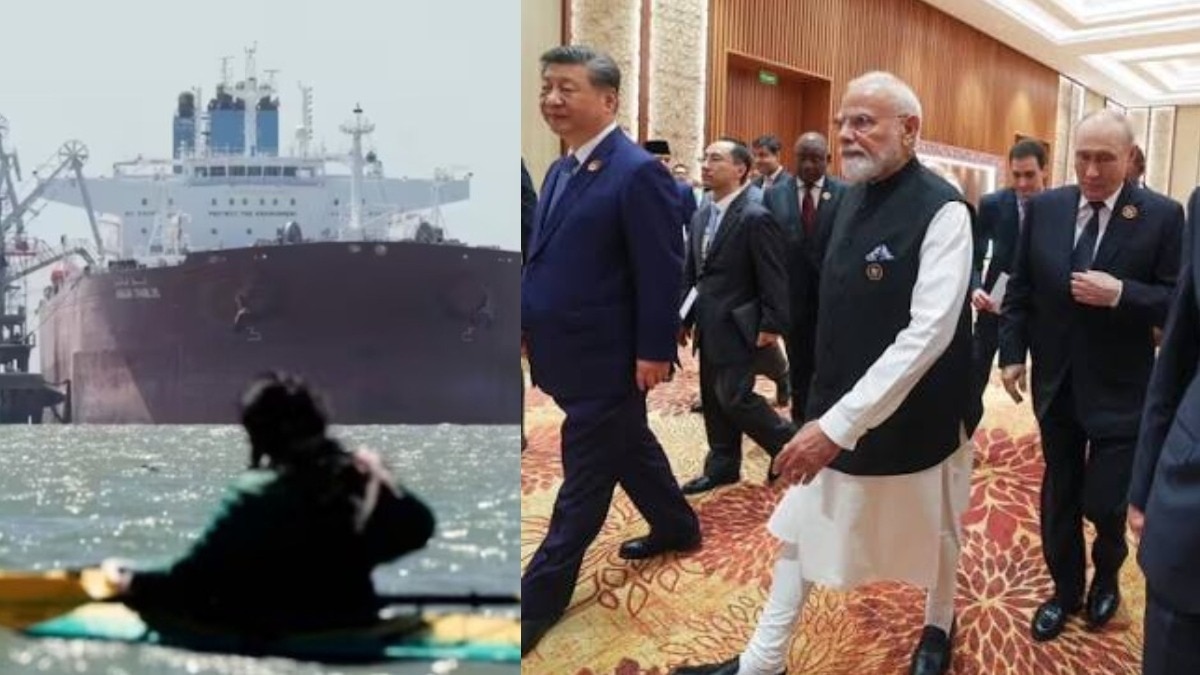
Rising geopolitical tensions in West Asia, including Houthi control over Bab el Mandeb and threats to the Strait of Hormuz, are sparking fears of a massive global oil supply crisis.
- Heightened geopolitical tensions in West Asia threatening vital oil transit routes.
- Houthi control over Bab el Mandeb and attacks in the Strait of Hormuz creating supply bottlenecks.
- Goldman Sachs predicts oil prices could soar past $120 per barrel.
- BRICS nations have issued an urgent appeal for peace and diplomatic dialogue.
The geopolitical landscape in West Asia is rapidly deteriorating, signaling a potential catastrophe for the global energy market. With the Strait of Hormuz facing increased maritime threats and the Bab el Mandeb Strait falling under the influence of Houthi rebels, the world's most critical oil arteries are under siege.
Recent reports indicate that Houthi militants have strengthened their grip on strategic islands near the port of Mocha and the Bab el Mandeb Strait. This escalation coincides with targeted attacks on vessels carrying oil from Saudi Arabia, which often use these routes as alternatives to the Strait of Hormuz. Coupled with the closure of key Saudi oil pipelines, a massive supply disruption appears imminent.
Why This Matters
BozokMedia analysis shows that this is not merely a regional conflict but a systemic threat to global economic stability. The Bab el Mandeb Strait handles between 5% to 12% of global oil and gas shipments, while the Strait of Hormuz controls nearly 20% of the world's petroleum supply. A prolonged blockage in either corridor would trigger an unprecedented spike in energy costs.
The convergence of maritime warfare and energy transit disruption could redefine global inflation trajectories for the coming year.
Economic analysts, including experts from Goldman Sachs, warn that if these disruptions persist, crude oil prices could skyrocket beyond the $120 per barrel mark. For energy-dependent nations like India, which imports approximately 80% of its energy requirements, the impact will be felt through higher fuel costs and increased domestic inflation.
Historical Background
The maritime 'choke points' of the Middle East have long been the pulse of global commerce. Historically, any instability in the Persian Gulf or the Red Sea has led to immediate volatility in Brent and WTI crude prices. The strategic importance of these narrow passages makes them the primary focal points for military and political maneuvering in the region.
| Route | Global Significance | Current Status |
|---|---|---|
| Strait of Hormuz | ~20% Global Oil Supply | High Tension/Attacks |
| Bab el Mandeb | 5-12% Oil & Gas Supply | Houthi Influence/Instability |
| Saudi Pipelines | ~4-5% Import Volume | Closed/Disrupted |
Frequently Asked Questions
1. How will the oil crisis affect the stock market?
Rising oil prices typically lead to higher operational costs for companies, which can cause significant downward pressure on global stock indices.
2. What is the BRICS position on this crisis?
BRICS nations have called for maximum restraint and emphasized the need for diplomacy and international law to ensure the free flow of energy and trade.