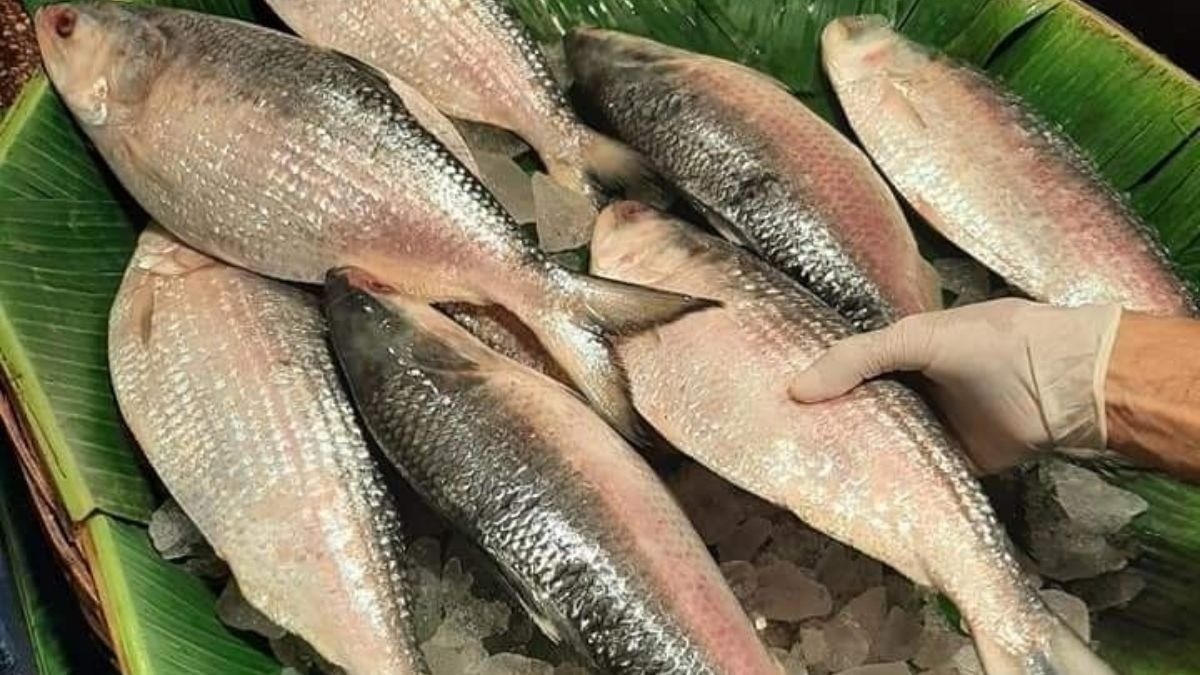
In a significant departure from traditional trade patterns, India has exported 500 tonnes of hilsa to Bangladesh due to a production shortfall in the neighboring country.
- India has exported approximately 500 tonnes of hilsa to Bangladesh over the last two months.
- The shift comes due to a reported shortfall in hilsa production within Bangladesh.
- Hilsa sourced from Gujarat is highly sought after in Bangladesh due to its high roe content.
- An additional 150-200 tonnes of export is expected in the coming weeks.
A remarkable reversal in the traditional fish trade between India and Bangladesh has emerged. Fish traders have revealed that India has exported around 500 tonnes of hilsa to Bangladesh over the past two months. This marks a departure from the usual flow, where India typically imports hilsa from Bangladesh during festive seasons.
The Shift in Trade Dynamics
The primary driver behind this unusual movement is a significant reduction in hilsa production in Bangladesh this year. To meet the soaring domestic demand, Bangladeshi traders have turned to Indian markets. According to Syed Anwar Maqsood, secretary of the Howrah Wholesale Fish Importers’ Association, this is a rare occurrence where Bangladesh is importing hilsa from India.
The consignments are being sourced primarily from Gujarat and shipped via the Bharuch port, with additional supplies moving through the Howrah wholesale fish market in West Bengal. While India usually exports other varieties like boal, rohu, and tangra to Bangladesh, the hilsa shortage has necessitated this specific trade.
Why This Matters
BozokMedia analysis shows that this trade reversal highlights the vulnerability of regional food supplies to local production fluctuations. The specific preference for Gujarat hilsa in regions like Chattogram and Sylhet creates a unique niche market. The high roe (egg) content, which sees limited demand in certain Indian markets, becomes a premium commodity in Bangladesh.
Gujarat hilsa contains a lot of roe, which is highly sought after in Bangladesh; these eggs are even being processed for re-export to other global markets.
Furthermore, the economic impact extends beyond simple consumption. Bangladeshi traders are actively processing the imported fish—some for drying as salted hilsa for local markets and others for high-value re-export to international destinations.
Historical Context of Hilsa Trade
Historically, the hilsa trade has been a centerpiece of Indo-Bangla maritime commerce. During major festivals like Durga Puja, the flow usually reverses, with the Bangladesh government allowing large quantities—such as 1,200 tonnes last year—to be exported to India. However, as of now, there is no clarity on whether the prized Padma river hilsa will be exported to India this season, leaving the market in a state of flux.
Frequently Asked Questions
Question 1: Why is India exporting hilsa to Bangladesh instead of importing it?
Answer: Due to a production shortfall in Bangladesh this year, the country is facing a domestic supply gap, forcing them to import from India.
Question 2: Why is Gujarat hilsa specifically preferred in Bangladesh?
Answer: Gujarat hilsa is known for its high roe (egg) content, which is a highly prized delicacy in Bangladeshi culinary culture, especially in Chattogram and Sylhet.
