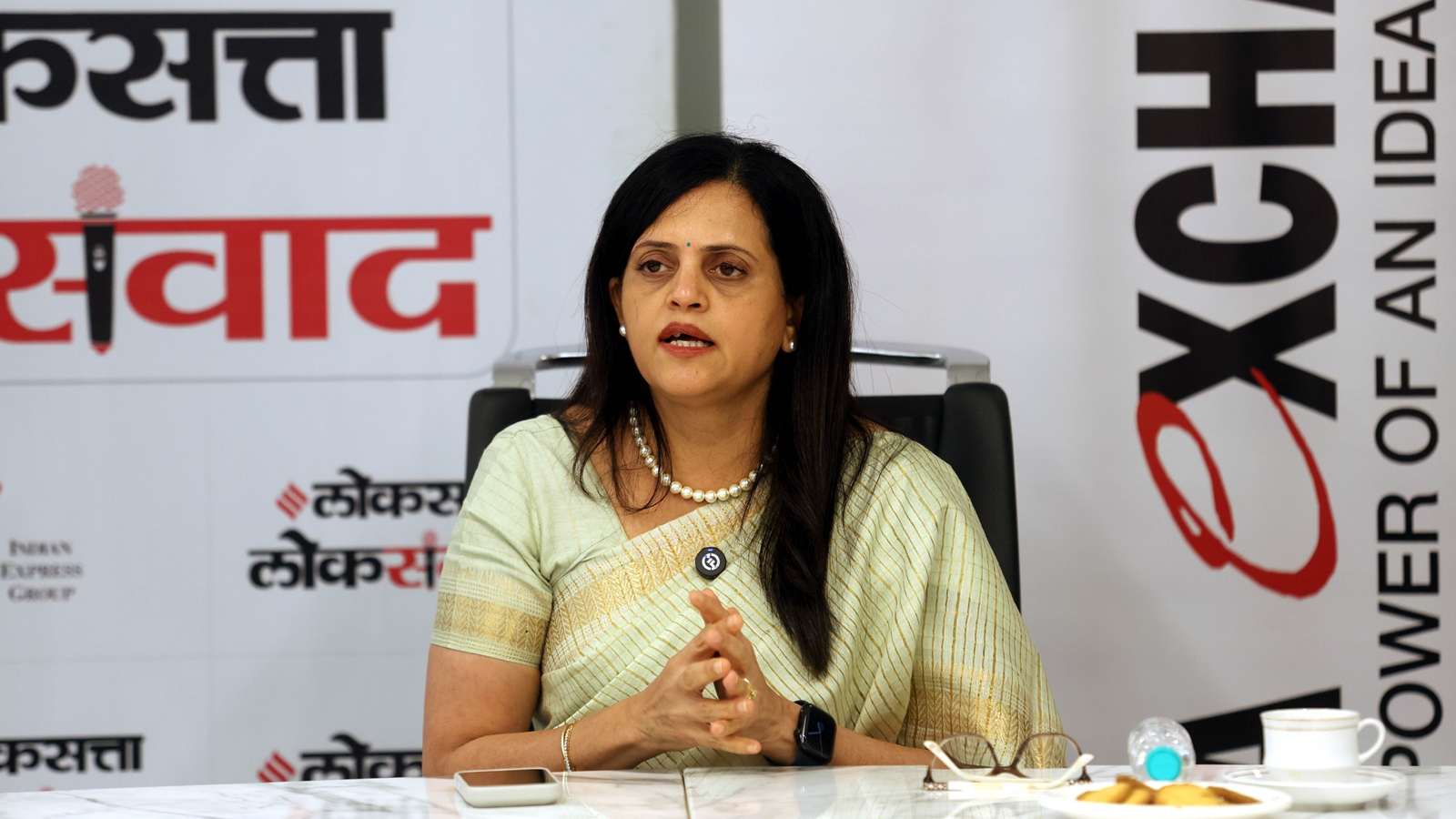
BMC Commissioner Ashwini Bhide addresses critical urban challenges in Mumbai, ranging from the lack of road networks to the rise of data centers and flood mitigation strategies.
- Mumbai's limited road network (2,050 km) is primarily due to its peninsular geography and CRZ restrictions.
- Data centers are vital for job creation but will face strict regulations regarding resource usage.
- There is a critical need to increase the BEST bus fleet to improve last-mile connectivity.
- IIT Bombay is assisting in providing early warning systems for flood management.
In a profound discussion regarding the urban landscape of India's financial capital, Ashwini Bhide, the Commissioner of the Brihanmumbai Municipal Corporation (BMC), highlighted the unique constraints and future roadmap for Mumbai. As the first woman municipal commissioner in the BMC's 133-year history, her insights provide a blueprint for managing a mega-city under pressure.
The Infrastructure Deficit: Roads and Connectivity
One of the most pressing issues raised was the inadequacy of Mumbai's road network compared to other metropolitan cities. While Delhi boasts a network exceeding 28,000 km, Mumbai operates with only 2,050 km. Bhide explained that Mumbai's peninsular nature—surrounded by the ocean on three sides—leaves little room for horizontal expansion. To combat this, the city is focusing on underground corridors and projects like the Goregaon-Mulund Link Road (GMLR) and the Coastal Ring Road.
Why This Matters
BozokMedia analysis shows that for a city like Mumbai, the challenge is not just about budget allocation, but about managing the complex web of 27 to 30 different utilities running beneath the streets, which necessitates frequent and disruptive trenching.
You cannot say that data centres should not be there. It creates jobs, but regulations will be put in place.
Data Centers and Environmental Concerns
Addressing the growing anxiety regarding the boom in data centers, particularly their water consumption, Bhide took a balanced stance. She emphasized that while these facilities are economic engines that drive employment, the municipal corporation will implement strict regulations to ensure that their operational requirements do not compromise the city's essential resources.
Flood Mitigation and Climate Resilience
The specter of urban flooding remains a major concern for Mumbaikars. Bhide noted that while the current drainage system can manage up to 55 mm of rainfall per hour, extreme weather events exceeding 100-300 mm pose significant risks. To mitigate this, the BMC is leveraging advanced technology, working with IIT Bombay to provide localized, three-day weather predictions to preemptively manage pumps and traffic rerouting.
Frequently Asked Questions
1. Why is road quality in Mumbai often compromised?
Frequent trenching is required to repair and augment the nearly 30 different utility lines running beneath the road surface.
2. How is the BMC addressing last-mile connectivity?
The BMC is working on a 'pedestrian-first' policy and recognizes the need to increase the BEST bus fleet from the current ~2,800 to the required 7,000-10,000 range.
| Metric | Delhi | Mumbai |
|---|---|---|
| Road Network | >28,000 km | ~2,050 km |
| Primary Constraint | Land availability | Peninsular Geography/CRZ |