Following devastating flash floods in Nepal that crippled hydropower infrastructure, the Indian government has approved an emergency 18-hour daily electricity supply to mitigate the nation's power shortfall.
- India will supply electricity to Nepal for 18 hours daily (midnight to 6 PM).
- Nepal's domestic hydropower capacity has dropped by approximately 550 MW due to floods.
- Exports will flow through the Muzaffarpur-Dhalkebar and Tanakpur-Mahendranagar lines.
- The arrangement is effective from September 13 to December 31, 2026.
In a significant move to support its neighbor, the Indian government on Monday approved Nepal's request for early electricity imports to combat a massive generation deficit caused by recent natural disasters. The Ministry of Power announced that electricity exports to the Nepal Electricity Authority will be permitted for 18 hours a day, primarily covering the daylight hours when solar generation in India is at its peak.
The technical details of the agreement specify that up to 600 MW of power will be exported via the Muzaffarpur-Dhalkebar 400 kV D/c line, while an additional 54 MW will be transmitted through the Tanakpur-Mahendranagar 132 kV S/c line. This emergency measure is scheduled to run from September 13 through December 31, 2026.
Why This Matters
BozokMedia analysis shows that this decision is a masterstroke in regional energy management. India has seen a massive expansion in solar capacity, often resulting in a surplus of electricity during the day that grid operators struggle to absorb. By exporting this surplus to Nepal during their crisis, India manages its own grid stability while providing vital humanitarian and economic relief to Nepal.
The synchronization of India's solar surplus with Nepal's hydropower deficit creates a strategic synergy that stabilizes both regional grids.
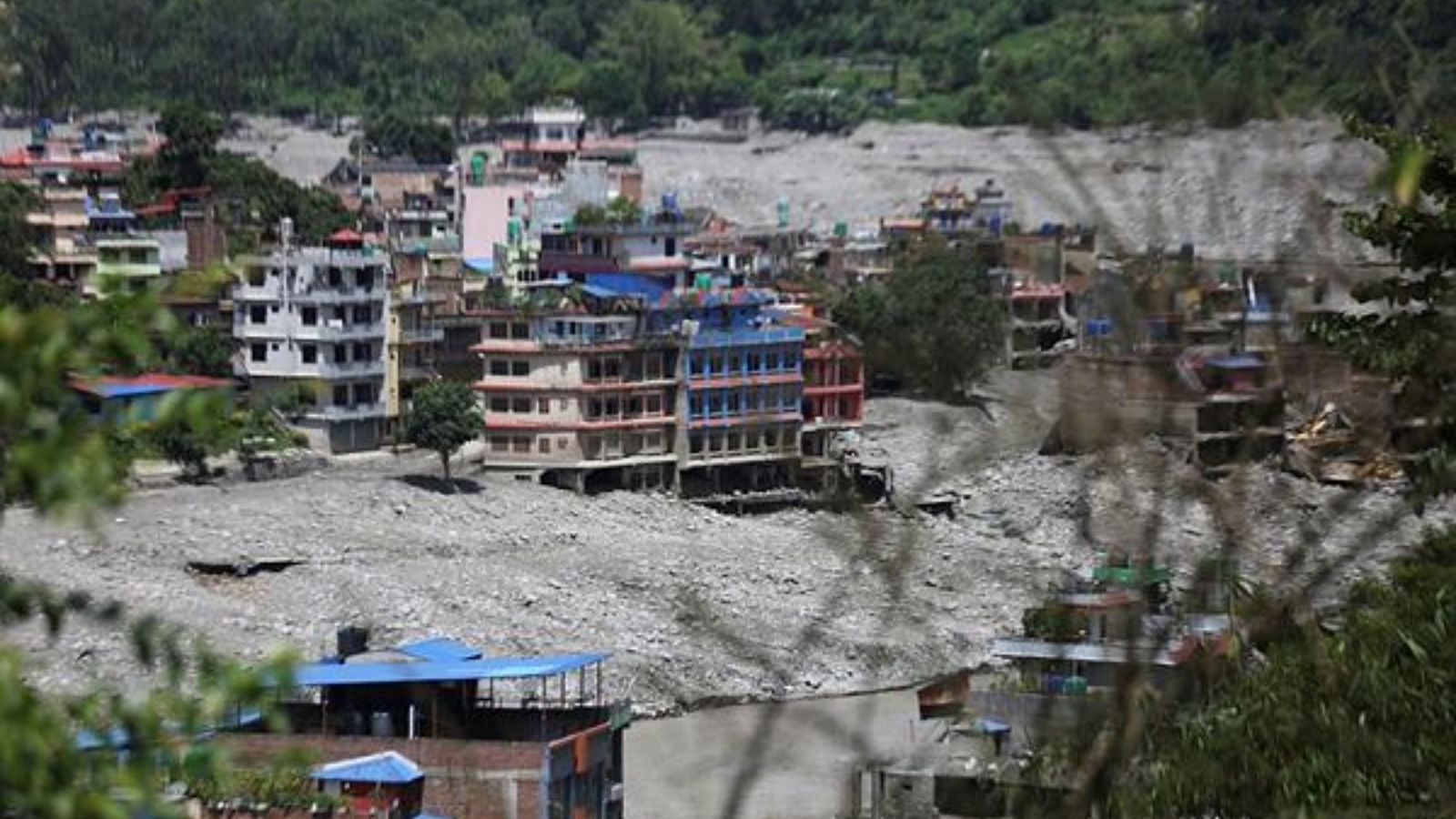
The devastating flash floods that struck Nepal on August 26 caused widespread damage to critical infrastructure, including 13 hydropower plants and a solar facility. According to government assessments, Nepal's domestic power generation capacity has plummeted by roughly 550 MW. This has forced Nepal to seek imports much earlier than the usual October window typically seen in their seasonal trade cycle.
Historical Background
Historically, electricity trade between India and Nepal is seasonal. Nepal traditionally exports surplus hydropower to India during the monsoon season and imports electricity from India during the dry winter months when river levels drop and hydropower generation diminishes. The current flood disaster has disrupted this traditional cycle, necessitating an immediate emergency intervention.
| Parameter | Standard Seasonal Cycle | Current Emergency Status |
|---|---|---|
| Trade Direction | Export (Monsoon) / Import (Winter) | Emergency Import (Post-Flood) |
| Generation Capacity | Stable / Predictable | ~550 MW Deficit |
| Primary Driver | Seasonal Water Flow | Disaster Recovery |
Frequently Asked Questions
1. How much power is being exported to Nepal?
India is set to export up to 600 MW through the Muzaffarpur-Dhalkebar line and 54 MW through the Tanakpur-Mahendranagar line.
2. Why is the supply limited to 18 hours?
The 18-hour window (midnight to 6 PM) is designed to utilize India's abundant daytime solar power, ensuring minimal impact on India's own evening peak demand.