India's inflation across household, wholesale, and producer levels rose in August, putting intense pressure on the RBI's upcoming Monetary Policy Committee meeting in October.
- Retail (CPI) inflation rose to 4.82% in August from 4.45% in July.
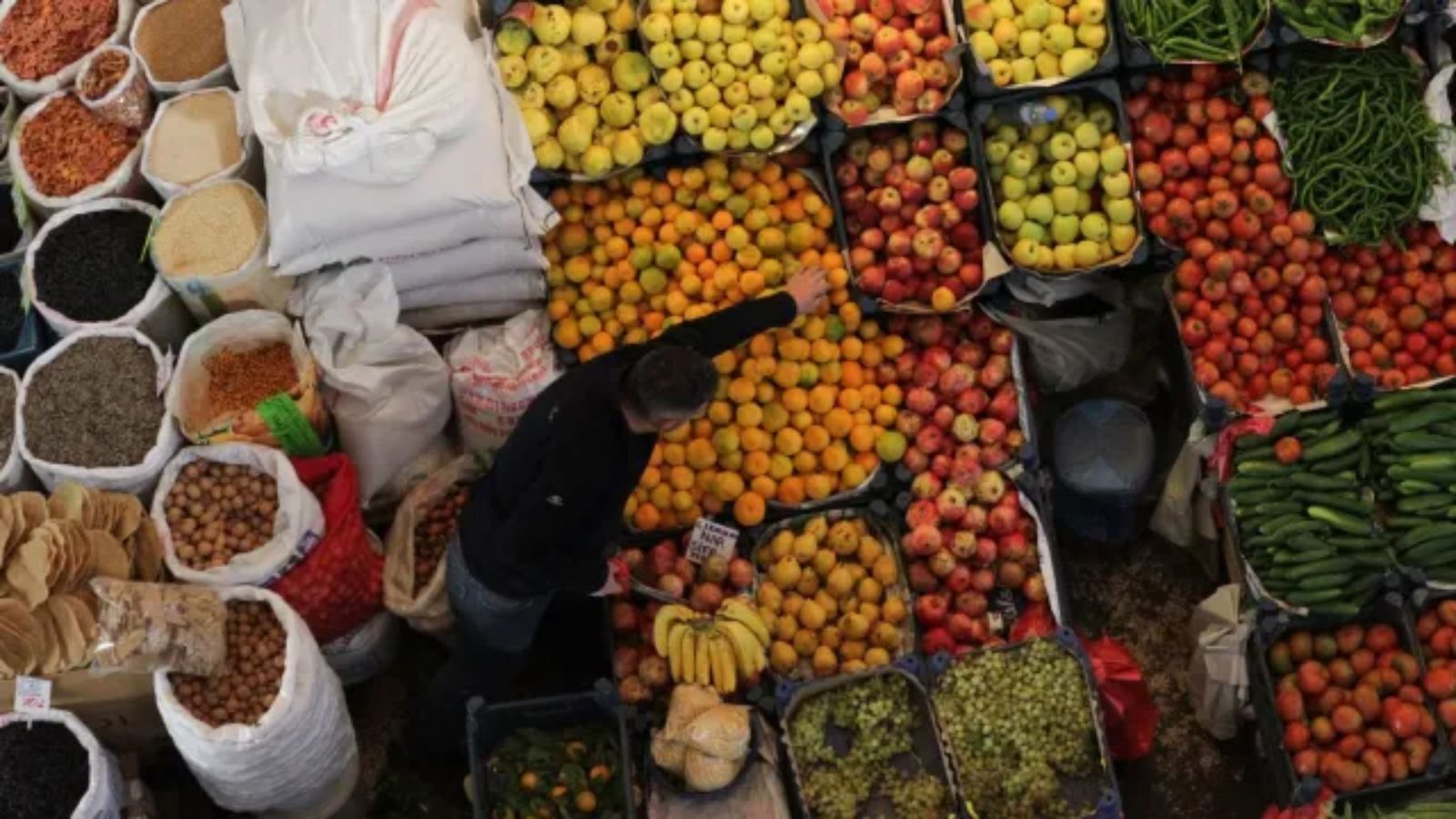
- Food inflation surged to 5.95%, driving the headline increase.
- Wholesale (WPI) inflation climbed to 9.92%.
- The RBI MPC meeting scheduled for October 5-7 may see the first rate hike in over three years.
The latest economic data released by the Ministry of Statistics and Programme Implementation (MoSPI) indicates a significant uptick in inflationary pressures across India. In August, the Consumer Price Index (CPI) inflation rose to 4.82%, up from 4.45% in July. This surge is largely attributed to a spike in food inflation, which climbed to 5.95%.
This data arrives at a critical juncture, just three weeks before the Reserve Bank of India’s (RBI) Monetary Policy Committee (MPC) meeting scheduled for October 5-7. With headline inflation remaining above the 4% target for the third consecutive month, market analysts are increasingly predicting a potential interest rate hike—the first in approximately three and a half years.
Wholesale and Producer Price Trends
The inflationary trend is not limited to the consumer level. The Wholesale Price Index (WPI) rose to 9.92% in August, compared to 9.78% in July. Rahul Agrawal, Principal Economist at ICRA, noted that wholesale food inflation hit a 20-month high of 7.05%, driven by the rising costs of fruits, vegetables, milk, spices, and sugar.
Furthermore, the output Producer Price Index (PPI) edged up to 9.81% from 9.57% in July. While the output PPI is expected to eventually replace the WPI as the default measure by 2031, its current rise signals broad-based price pressures at the factory-gate level.
We expect food inflation to harden further in September-October, which could sour sentiment during the festive season.
Why This Matters
BozokMedia analysis shows that the combination of robust GDP growth (7.8% in Q1 2026-27) and rising inflation creates a complex dilemma for the central bank. While a strong economy is a positive sign, persistent inflation threatens to erode purchasing power. The RBI is legally mandated to maintain a 4% inflation target within a 2-6% band, and the current trajectory suggests that the policy repo rate, currently at 5.25%, may need upward adjustment to anchor expectations.
Historical Context
The RBI has been navigating a delicate balance between supporting growth and controlling prices. The recent shift in sentiment, hinted at by Governor Sanjay Malhotra and Deputy Governor Poonam Gupta, suggests that the era of accommodative monetary policy may be nearing an end as price pressures spread from food and fuel to other sectors.
Frequently Asked Questions
1. Why is food inflation causing so much concern?
Food inflation has a direct impact on the CPI, which is the primary gauge used by the RBI to set interest rates. High food prices affect the cost of living for the majority of the population.
2. How will an RBI rate hike affect consumers?
If the RBI increases the repo rate, commercial banks typically follow suit, leading to higher interest rates on home loans, auto loans, and other personal credit.
