India's retail inflation climbed to 4.82% in August, up from 4.45% in July, signaling rising pressure on consumer spending and food costs.
- Retail inflation rose to 4.82% in August, compared to 4.45% in July.
- Rising food prices are identified as a primary driver for this uptick.
- The increase puts pressure on the Reserve Bank of India's (RBI) monetary policy decisions.
Economic indicators for August have signaled a tightening of consumer prices in India. The Retail Inflation, measured via the Consumer Price Index (CPI), has climbed to 4.82%, marking a notable increase from the 4.45% recorded in July. This uptick suggests that inflationary pressures are resurfacing in the domestic market.
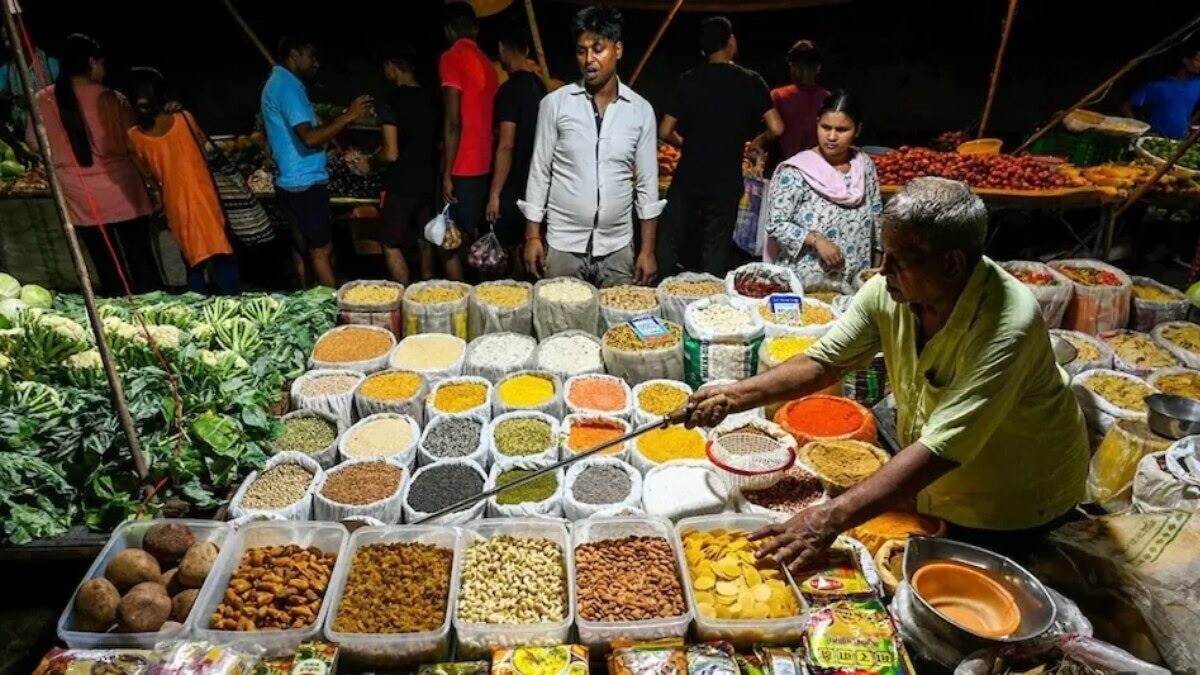
Market analysts suggest that the primary catalyst for this rise is the volatility in food prices. Fluctuations in the cost of essential commodities, including vegetables and staples, have played a significant role in pushing the headline inflation figure higher. Such movements often impact the lower-income segments of the population most severely.
Why This Matters
BozokMedia analysis shows that this spike in inflation could complicate the Reserve Bank of India's (RBI) roadmap for interest rate cuts. With inflation creeping closer to the upper threshold of the RBI's comfort zone, the central bank may remain cautious about easing monetary policy, which could keep borrowing costs high for consumers.
The uptick in August inflation underscores the persistent vulnerability of the Indian economy to supply-side shocks in the food sector.
Historically, India's inflation trajectory has been closely linked to monsoon patterns and global commodity price fluctuations. A sudden rise in food inflation often forces the government to consider interventions such as export bans or import duty adjustments to stabilize domestic prices.
Inflation Comparison: July vs August
| Month | Inflation Rate | Trend |
|---|---|---|
| July | 4.45% | Baseline |
| August | 4.82% | Increasing |
Frequently Asked Questions
1. What causes retail inflation to rise?
Retail inflation typically rises due to increases in the prices of essential goods like food, fuel, and services, often driven by supply shortages or high demand.
2. How does inflation affect my bank loans?
High inflation often leads the central bank to raise interest rates to cool the economy, which in turn increases the EMI for home and car loans.
