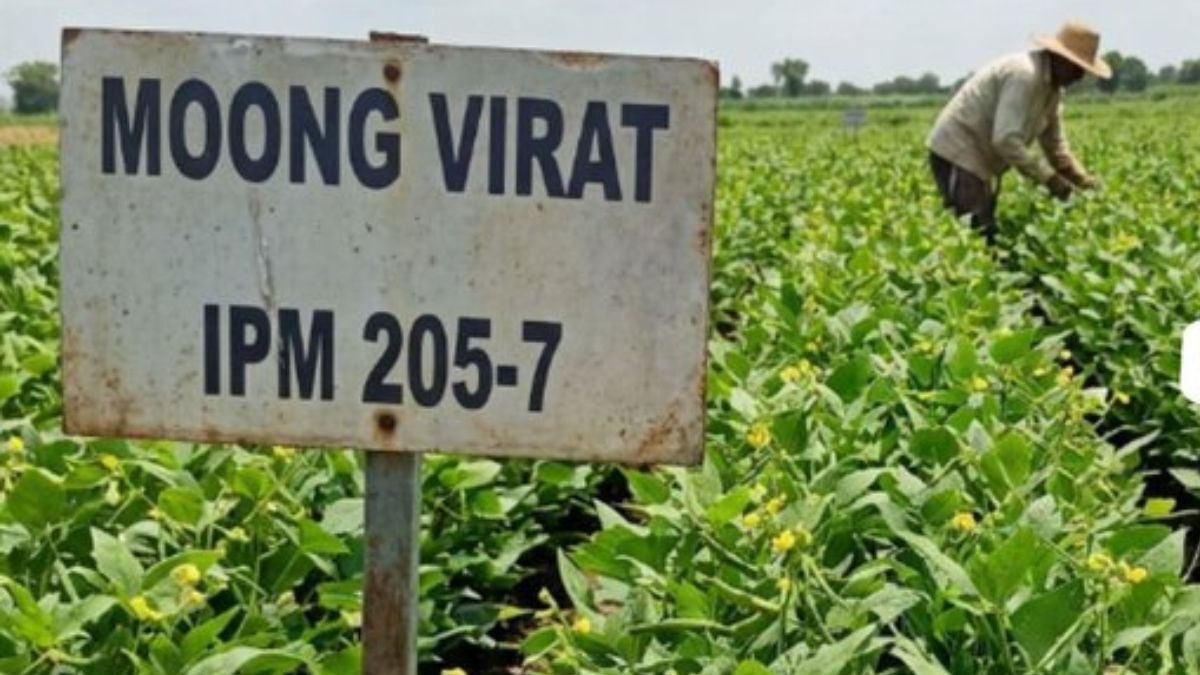
The Economic Offences Wing has booked three suspects for using fake farmer registrations to sell cheap market‑bought moong at the MSP, causing an estimated loss of ₹13.35 lakh to the government.
- Fake farmer registrations were used to channel moong sales
- Moong bought for less than ₹3,000 per quintal was sold at MSP of over ₹8,500
- Government faces an estimated loss of ₹13.35 lakh
Investigation Launch
The Economic Offences Wing (EOW) filed an FIR against three employees and several accomplices in Raisen, Madhya Pradesh, after uncovering a large‑scale fraud in the state’s green gram (moong) procurement. The probe revealed that land records of unregistered farmers were illegally used to sell moong at the Minimum Support Price (MSP).
How Fake Registrations Worked
According to investigators, computer operators at procurement centres identified farmers who had not enrolled for government purchases. Their land was then entered in the names of the accused or their associates, labeling them as “sikmidars” (cultivators) instead of the actual owners.
Farmers Claim No Knowledge
The affected farmers told officials they never signed lease agreements or gave consent for the registrations, nor did they receive any payment. In one case, 1.5 acres of a farmer’s land were registered to another person, and moong was sold under that false entry.
Cheap Market Moong Sold at MSP
The EOW discovered that the accused purchased moong from local markets, traders and the Bareli mandi for under ₹3,000 per quintal. They then sold it to the government at the MSP of ₹8,558 per quintal for 2024‑25 and ₹8,682 for 2025‑26, pocketing the price differential.
Financial Gains of the Accused
Shriram Thakur registered about 12.62 ha of land in his name and sold 151.524 quintals of moong, spending ₹4.54 lakh and receiving ₹13.15 lakh – a profit of roughly ₹8.61 lakh. Ranjit and Gaurav Thakur earned alleged excesses of ₹2.40 lakh and ₹2.34 lakh respectively, bringing the total estimated loss to ₹13.35 lakh.
Historical Background
The MSP system was introduced in the 1960s to guarantee farmers a minimum price for their produce, aiming to boost production and stabilize incomes. While occasional misuse has been reported, the scale of fabricated land records combined with cheap market purchases marks a new level of exploitation.
Why This Matters
BozokMedia analysis shows that such frauds not only erode farmer confidence in government schemes but also inflate fiscal burdens, forcing policymakers to tighten procurement norms that could hurt genuine beneficiaries.
"If the MSP framework is not safeguarded against manipulation, the trust of the entire agrarian community could collapse," says agricultural economist Dr. Anita Singh.
Frequently Asked Questions
Q1: What is MSP and why does it exist?
A: Minimum Support Price (MSP) is a government‑declared price at which it purchases certain crops to ensure farmers receive a guaranteed income above production costs.
Q2: How many farmers were directly affected by this fraud?
A: The exact number is still being verified, but multiple small and marginal farmers reported that their land records were used without consent.


