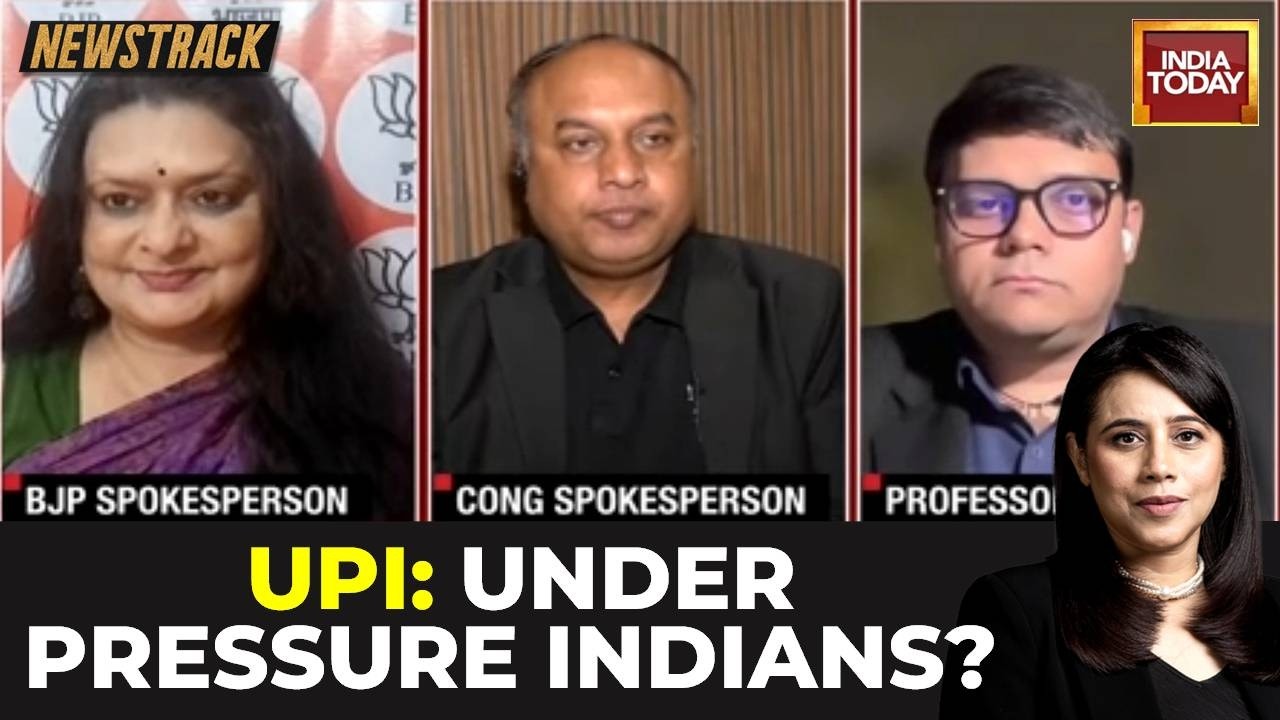
A proposed revised Merchant Discount Rate (MDR) framework for UPI transactions exceeding ₹2,000 has ignited a fierce debate between critics calling it a 'Modi Tax' and proponents of digital sustainability.
- Revised MDR framework to apply to select UPI merchant transactions above ₹2,000 starting October 15.
- Person-to-person (P2P) transfers and transactions below the threshold remain free of charge.
- The move has sparked intense political debate regarding the cost of digital infrastructure.
The landscape of digital payments in India is facing a significant turning point. The government has introduced a revised Merchant Discount Rate (MDR) framework that will target select Unified Payments Interface (UPI) merchant transactions exceeding the ₹2,000 threshold. This change is slated to take effect from October 15.
The announcement has triggered a polarized reaction across the country. While critics have labeled the move as a 'Modi Tax,' arguing it places an undue burden on consumers and small businesses, supporters maintain that a sustainable revenue model is necessary to maintain the world-class digital infrastructure provided by UPI.
Why This Matters
BozokMedia analysis shows that this policy shift could redefine the profitability of the fintech sector in India. While the zero-fee model propelled UPI to global dominance, the transition toward a fee-based structure for larger amounts seeks to balance service costs with user accessibility. The impact on small-scale merchants remains the primary concern for economic analysts.
Striking a balance between seamless digital adoption and sustainable revenue models will be the defining challenge for India's fintech ecosystem.
Historically, the UPI ecosystem has thrived on its near-zero cost for the end-user, which facilitated a massive shift from cash to digital. By setting a threshold at ₹2,000, the regulatory framework is attempting to segment micro-payments from larger commercial transactions.
The discourse surrounding this policy has featured prominent voices including Sanju Verma, Brijesh Kalappa, and Deepanshu Mohan, who are dissecting the economic implications and the potential political fallout of this decision.
Frequently Asked Questions
1. Will my personal transfers to friends be affected?
No, person-to-person (P2P) transfers and merchant payments under ₹2,000 will remain free.
2. When does the new fee structure begin?
The revised framework is expected to be implemented starting October 15.