West Bengal Transport Minister Arjun Singh has indicated a potential hike in private bus fares after Durga Puja, citing that the revision is long overdue due to rising operational costs.
- Potential hike in private bus fares in West Bengal after Durga Puja.
- Minister Arjun Singh states fare revision is long overdue.
- Operators cite diesel prices (>₹100/L) and maintenance costs as primary drivers.
- Increased fares must be accompanied by improved passenger amenities.
In a significant development for commuters in West Bengal, Transport Minister Arjun Singh has announced that the state government is considering a revision of private bus fares following the conclusion of the Durga Puja festivities. Speaking after a crucial meeting with transport associations, the Minister emphasized that the current fare structure has remained stagnant for far too long.
The meeting included key representatives from the Joint Council of Bus Syndicate, City Suburban Service, and the West Bengal Bus and MiniBus Owners' Association. The discussions centered on the mounting financial distress faced by private operators who are struggling to maintain services under the existing economic framework.
Why This Matters
BozokMedia analysis shows that the transport landscape in West Bengal is at a breaking point. With diesel prices consistently exceeding ₹100 per litre and the maintenance costs of aging fleets rising, the gap between revenue and expenditure has widened significantly. A fare hike is no longer just a request from operators; it is becoming a necessity for the survival of the private transport sector.
Any hike in fares must be strictly tied to a visible improvement in passenger amenities, including better management and AC services.
Private bus owners, represented by figures such as PN Bose, have voiced strong concerns regarding the viability of their operations. They pointed out that the fare structure has not been updated since 2018, making it impossible to sustain services in 2026. Operators are demanding a significant increase in the first-stage fare to offset operational losses.
Historical Context and Industry Decline
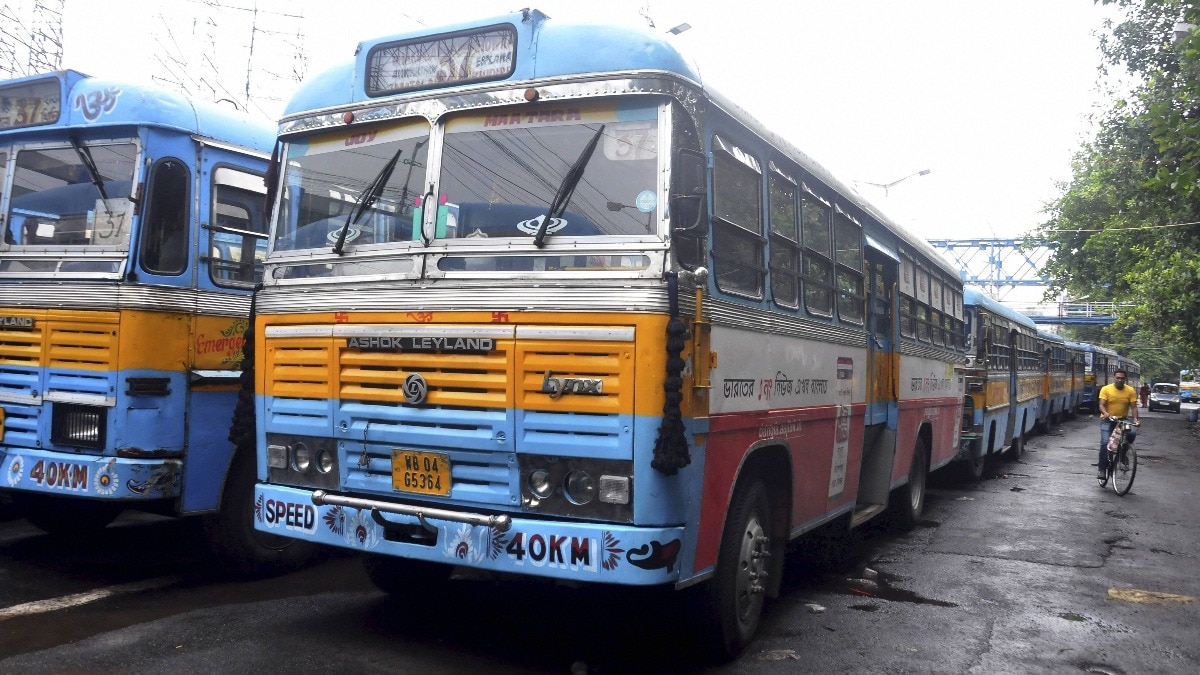
The industry has faced a steady decline over the last few years. Before the COVID-19 pandemic, Kolkata's stage carriage network boasted approximately 6,000 buses. Today, that number has plummeted to around 3,500. This contraction is attributed to high fuel costs, rising penalties, and a shift in passenger demographics following the implementation of free bus travel for women on state-run government buses.
| Metric | Current Status (2026) | Operators' Demand |
|---|---|---|
| Stage 1 Fare | ₹7 - ₹10 | ₹20 |
| Diesel Price | Above ₹100/L | Relief/Subsidies |
| Total Buses (Kolkata) | ~3,500 | Restoration of Fleet |
Beyond fare hikes, the associations have also sought relief from pending VAHAN-related penalties and requested the government to address the disparity in road toll charges compared to other Indian states. While the government has promised to address these grievances, no immediate relief package has been sanctioned.
Frequently Asked Questions
1. When will the new bus fares be implemented?
The decision is expected to be finalized shortly after the Durga Puja festival.
2. What are the operators demanding besides a fare hike?
They are seeking a waiver of pending VAHAN penalties and a reduction in toll disparities.