The Kerala State Consumer Commission has penalized an automobile company for failing to meet promised mileage standards. Despite assurances of 18.5 km/l, the vehicle provided significantly lower performance, leading to a compensation order.
- Automobile company promised 18.5 km/l mileage to the buyer.
- Actual mileage recorded was significantly lower (8-10 km/l).
- Commission ruled it as a 'Deficiency in Service'.
- Buyer awarded ₹75,000 in compensation.
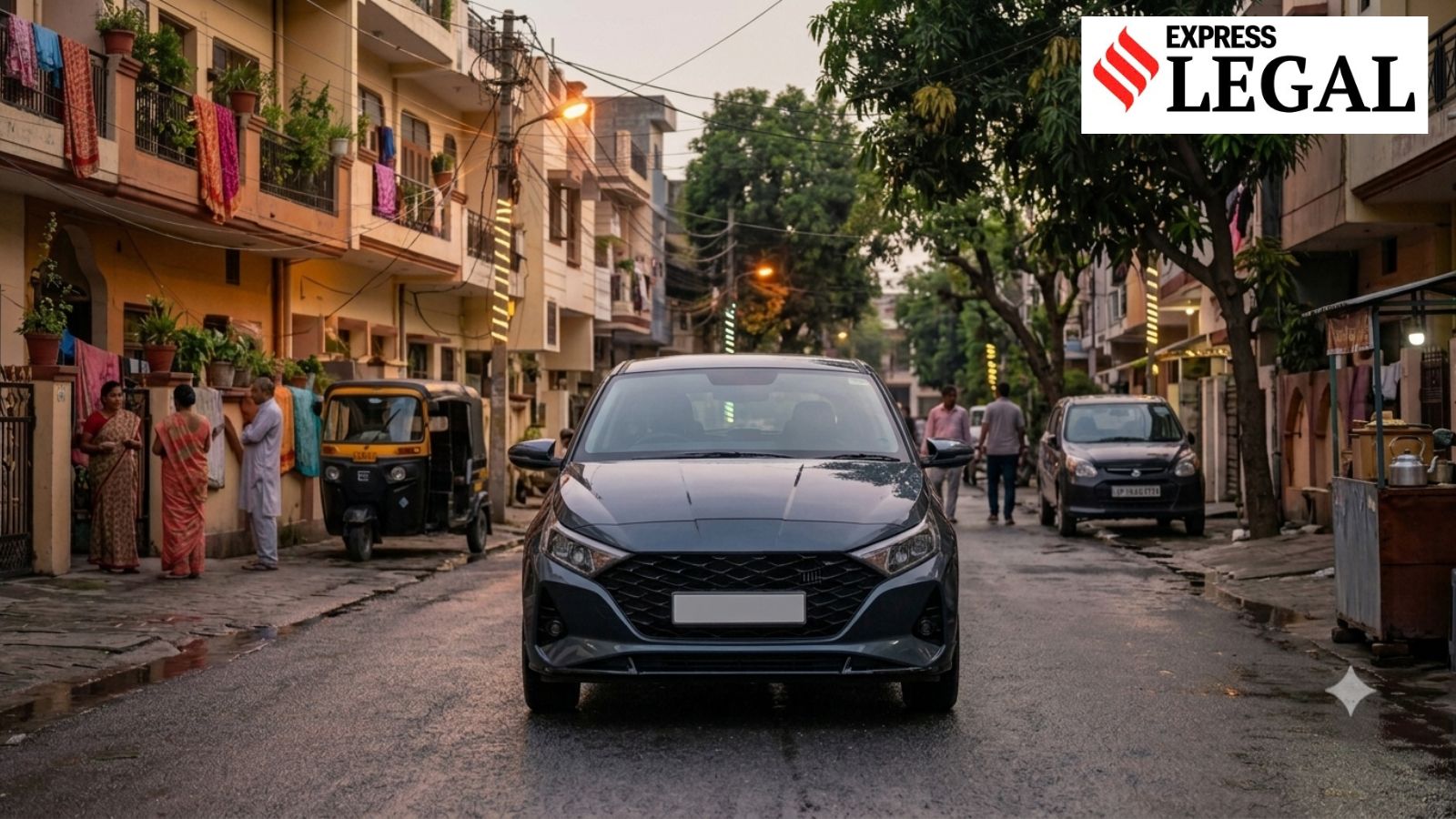
In a landmark ruling for consumer rights, the Kerala State Consumer Disputes Redressal Commission has ordered an automobile manufacturer to pay ₹75,000 to a customer. The dispute arose when the vehicle failed to deliver the fuel efficiency promised at the time of purchase in 2015.
The Core of the Dispute
The complainant purchased the vehicle on January 23, 2015, under the explicit assurance from the dealer that the car would provide an average mileage of 18.5 km per litre. However, the buyer soon realized the car was performing far below expectations, initially reporting as low as 5 km/l, leading to allegations of a manufacturing defect.
Expert Findings and Company Defense
During the legal proceedings, the dealer admitted that testing revealed the car's mileage was only between 8 to 10 km per litre. The automobile company defended its position by citing external variables such as road conditions, fuel quality, driving habits, and tire pressure. They further relied on a report from the Automotive Research Association of India (ARAI), which placed the mileage at 13.2 km per litre.
Why This Matters
BozokMedia analysis shows that this case sets a vital precedent regarding 'performance promises' in the automotive industry. It distinguishes between a physical manufacturing defect and a failure to meet advertised service standards, providing a much-needed legal shield for consumers against misleading marketing.
Failing to meet advertised performance standards constitutes a deficiency in service, even in the absence of a proven manufacturing defect.
The Commission, led by President Justice B Sudheendra Kumar, observed that while there was no conclusive evidence of a manufacturing defect, the inability to achieve the promised mileage despite multiple attempts to rectify it constituted a clear deficiency in service. While the District Commission had originally ordered a full refund of ₹7.27 lakh or a vehicle replacement, the State Commission modified this to ₹75,000, noting that the car remained with the consumer.
Frequently Asked Questions
1. Can a consumer sue for low mileage if there is no manufacturing defect?
Yes, if the company made specific mileage promises during the sale, failing to meet those standards can be classified as a deficiency in service.
2. What are the factors that affect car mileage according to manufacturers?
Companies often cite fuel quality, driving style, vehicle load, weather, and road conditions as variables that impact fuel efficiency.