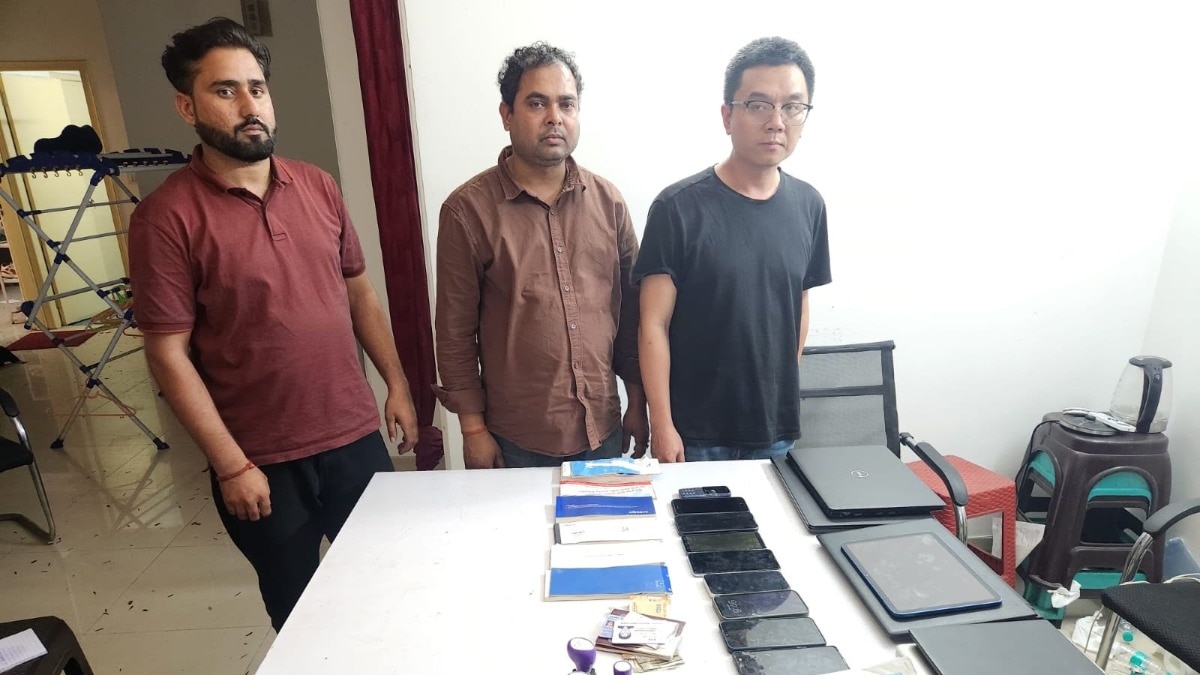
The Uttar Pradesh Special Task Force has detained a Chinese citizen and two Indian associates in Noida for operating a hawala and shell‑company money‑laundering network. Seized items include forged documents, a fake Aadhaar, and cash worth over ₹4.7 crore.
Key Takeaways
- Chinese citizen Liao Longhui arrested for alleged hawala operations.
- Two Indian accomplices, Sanjeev Kumar and Kaushalendra, linked to shell‑company setup.
- Police seized laptops, mobiles, a tablet, passports, fake Aadhaar, and ₹4.72 crore in cheques.
The Uttar Pradesh Special Task Force (STF) swooped on July 22 in Noida’s Sector 93, detaining Liao Longhui, Sanjeev Kumar, and Kaushalendra. Liao had overstayed his visa since 2020 and used a counterfeit Aadhaar card to remain in India.
Investigators traced the money trail to YTL Manufacturing Pvt. Ltd., a firm in Sector 83 allegedly run by Liao. The company imported raw materials from China at inflated prices, sold finished mobile‑phone covers in Delhi markets such as Karol Bagh and Nehru Place, and under‑invoiced the sales. The balance was allegedly settled via hawala channels.
Historical Background
Hawala, an informal value‑transfer system, has long been a challenge for Indian regulators. Over the past decade, dozens of high‑profile hawala busts have revealed the use of shell companies to mask illicit flows, often involving foreign nationals exploiting lax oversight.
Why This Matters
BozokMedia analysis shows that this arrest could signal a tougher stance on cross‑border financial crimes, especially those that threaten economic stability and national security.
"Shell‑company structures are the Achilles' heel of hawala networks, making detection extremely difficult," says financial crime expert Dr. Ajay Singh.
Frequently Asked Questions
Q1: Did Liao Longhui operate a legitimate business in India?
A: He claims to run a mobile‑cover manufacturing unit, but most of the financial activity was routed through hawala.
Q2: What role did the Indian accomplices play?
A: They allegedly helped set up shell companies, opened bank accounts, and facilitated document forgery.