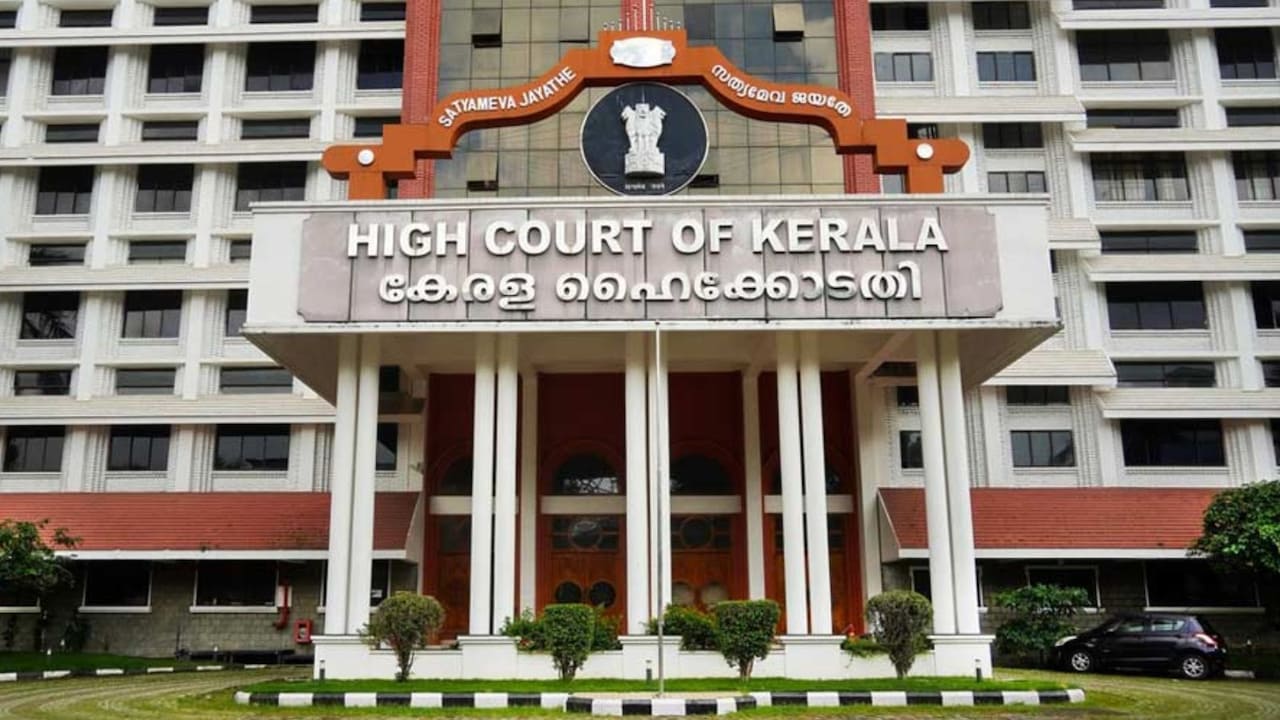
The Kerala High Court has dismissed a plea seeking 10 days of emergency parole for a rape convict, stating that granting such relief would send a wrong message to society. The court emphasized that maximum leniency had already been shown by allowing him to attend his wife's funeral.
Key Takeaways
- Kerala High Court rejects a 10-day emergency parole plea for a rape convict.
- Court states granting parole would send a 'wrong message to society'.
- The convict was previously allowed to attend his wife's funeral, which the court deemed 'maximum leniency'.
The Kerala High Court, while upholding the rule of law and societal morals, has rejected a writ petition filed by the sister of a rape convict seeking 10 days of emergency parole. The court observed that the judiciary must balance individual liberties with the collective conscience of society when dealing with heinous crimes.
The petitioner had argued for emergency parole on personal grounds. However, the state opposed the plea, highlighting the gravity of the offense. The High Court noted that the competent authority had already exercised due diligence and there was no valid reason to interfere with their decision.
Why This Matters
An analysis by BozokMedia indicates that this ruling reinforces a growing judicial trend in India where courts are increasingly hesitant to grant discretionary relief to convicts of heinous sexual offenses. By prioritizing societal impact over individual convict pleas, the judiciary is sending a stern message regarding the zero-tolerance policy against sexual violence.
"Parole is a privilege, not an absolute right. The court's decision to prioritize societal message over individual convenience in heinous crimes sets a vital legal precedent." - Legal Expert
Parole laws in India are designed for rehabilitation but are subject to strict scrutiny in cases of heinous crimes like rape and murder. While courts often grant temporary release on humanitarian grounds, such as the death of a close family member, extended or emergency parole is rarely granted if it poses a perceived threat to public order or dilutes the gravity of the punishment.
| Feature | Regular Parole | Emergency Parole |
|---|---|---|
| Duration | Typically 1 month or more | Short-term (usually up to 14 days) |
| Grounds | Rehabilitation, maintaining family ties | Unforeseen emergencies (death, serious illness) |
| Authority | State Government/Prison Board | Superintendent of Prison / High Court |
Frequently Asked Questions
1. Why did the Kerala High Court deny the parole?
The court stated that granting parole to a rape convict would send a wrong message to society, and noted that maximum leniency had already been shown by allowing him to attend his wife's funeral.
2. What is the difference between parole and furlough?
Parole is granted for specific urgent reasons and is deducted from the sentence, whereas furlough is a general break granted periodically without any specific reason to maintain social ties.