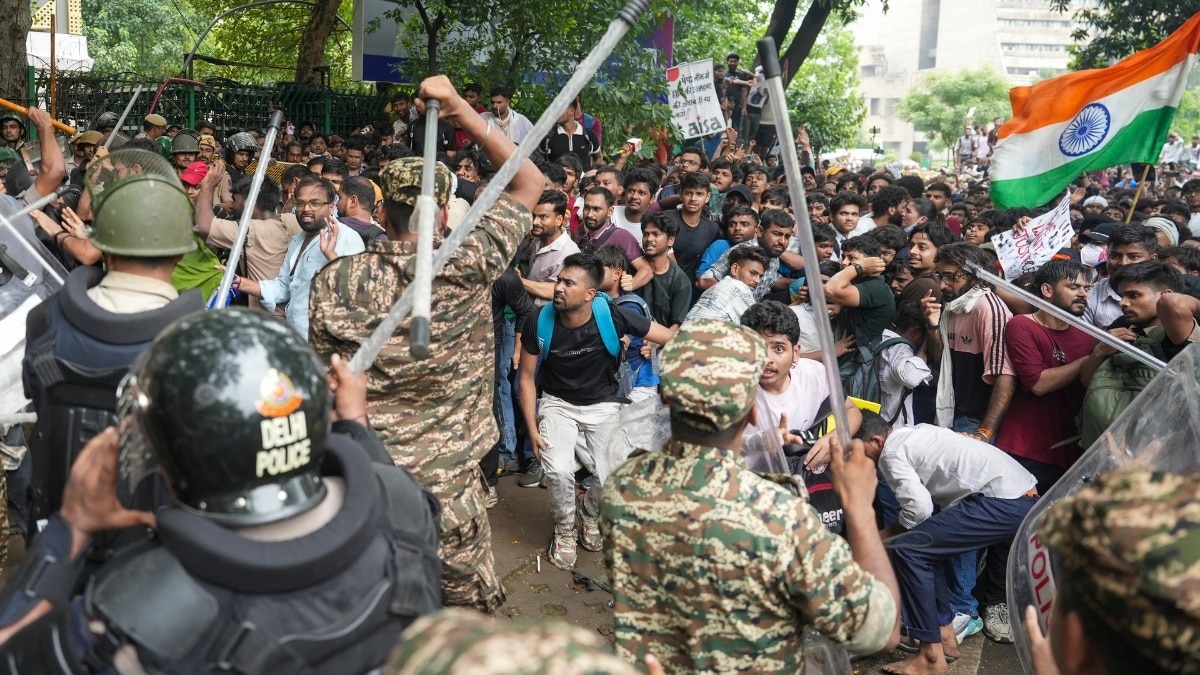
Following the NEET paper leak protests, two petitions alleging police brutality against students are set for hearing today at the Supreme Court. The bench approved the hearing on July 24.
Key Takeaways
- Supreme Court will hear two separate petitions today.
- The bench led by Chief Justice Suryakant approved the hearing on July 24.
- Protesters challenge police lathi charge and tear‑gas usage during NEET leak demonstrations.
New Delhi – On July 27, the Supreme Court began hearing two petitions that accuse police of using excessive force against students protesting the NEET paper leak. The petitions are before a three‑judge bench headed by Chief Justice Justice Suryakant, with Justices Joymalya Bagchi and V. Mohana.
Background: On July 20, a march led by the Cockroach Janata Party (CJP) in Delhi turned violent when security forces clashed with demonstrators. Police employed lathi charges and tear‑gas, injuring several students. The protesters demanded the resignation of Union Education Minister Dharmendra Pradhan.
On July 24, a bench chaired by the Chief Justice gave its consent for the petitions to be heard, and senior advocate Gopal Shankarnarayanan urged immediate judicial scrutiny, noting that excessive force by police has been reported across student protests nationwide.
Why This Matters
BozokMedia analysis shows that the outcome of this hearing could shape not only the future of the NEET examination but also set a precedent for public protest management and police accountability in India. A decisive court order against police brutality could become a landmark for future cases.
"A successful legal challenge against police excesses reinforces the strength of our democracy," senior lawyer Ajay Singh remarked.
Frequently Asked Questions
Q1: What could be the possible outcomes of the Supreme Court hearing?
A: If the Court finds police actions unjustified, it may issue directives for stricter investigations and accountability in similar future incidents.
Q2: Will this hearing affect the NEET exam results?
A: Currently, there is no direct impact on the exam process, but a court‑ordered inquiry into the leak could lead to tighter security measures.