The family of one of the Idaho murder victims has slammed Bryan Kohberger as a 'narcissist' after he attempted to retract his guilty plea.
Key Takeaways
- Bryan Kohberger is challenging his conviction for the 2022 Idaho student murders.
- The Goncalves family has labeled Kohberger a "narcissist" following his legal maneuvering.
- Legal experts suggest reversing a voluntary guilty plea is extremely difficult without proof of coercion.
The families of the victims in the brutal Idaho student murders have expressed profound outrage following news that Bryan Kohberger is attempting to challenge his conviction. Kohberger, who was sentenced to four consecutive life terms last year, recently told the New York Times that he intended to retract his guilty plea, claiming it was based on "false promises and blatant disinformation."
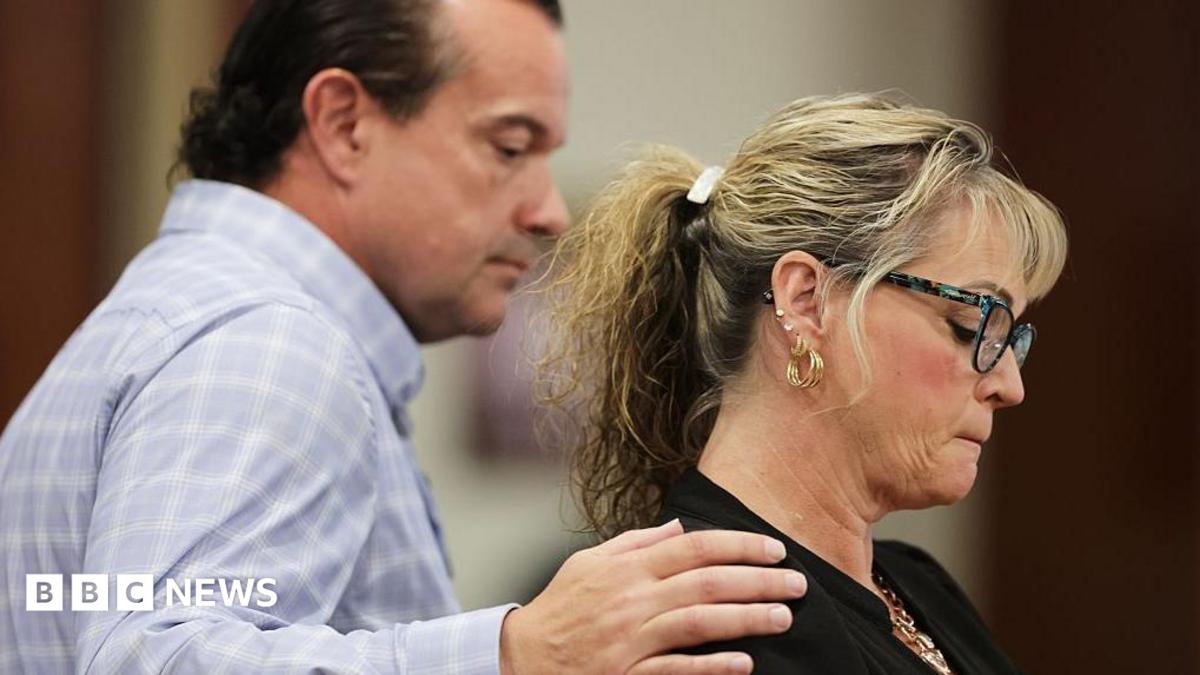
The family of Kaylee Goncalves, one of the four students killed in November 2022, hit back at the former criminology student. Describing him as a "narcissist," the family argued that Kohberger is simply attempting to manipulate the narrative to suit his own interests rather than facing the consequences of his actions. They noted that he never raised concerns about the evidence during his two years of legal review.
Why This Matters
BozokMedia analysis shows that this legal pivot is a strategic attempt to reopen a case that was considered closed by the sentencing. If successful, it could set a complex precedent regarding how voluntary pleas are treated in high-profile criminal cases, potentially delaying justice for the families for years to come.
"Courts don't take kindly to walking a voluntary plea back without hard proof that something went seriously wrong behind the scenes," stated Sam Newton, an associate professor at the University of Idaho College of Law.
The 2022 killings of Kaylee Goncalves, Ethan Chapin, Xana Kernodle, and Madison Mogen sent shockwaves through the University of Idaho community and the nation. While investigators lacked a direct motive, they presented compelling evidence placing Kohberger at the scene of the crime. Kohberger's new stance involves claiming innocence and inviting prosecutors to seek the death penalty.
Historical Background
The Moscow, Idaho, murders became one of the most intensely scrutinized criminal cases in recent US history. The investigation involved massive digital forensic efforts and undercover operations before Kohberger, a PhD student at Washington State University, was apprehended. The case transformed a quiet college town into a focal point of national crime reporting.
Frequently Asked Questions
1. Why is Kohberger retracting his plea?
He claims his original plea, intended to avoid the death penalty, was influenced by disinformation and false promises.
2. Is it likely he will succeed in overturning the conviction?
Legal experts believe it is a "longshot" because he previously swore under oath that his plea was voluntary and truthful.