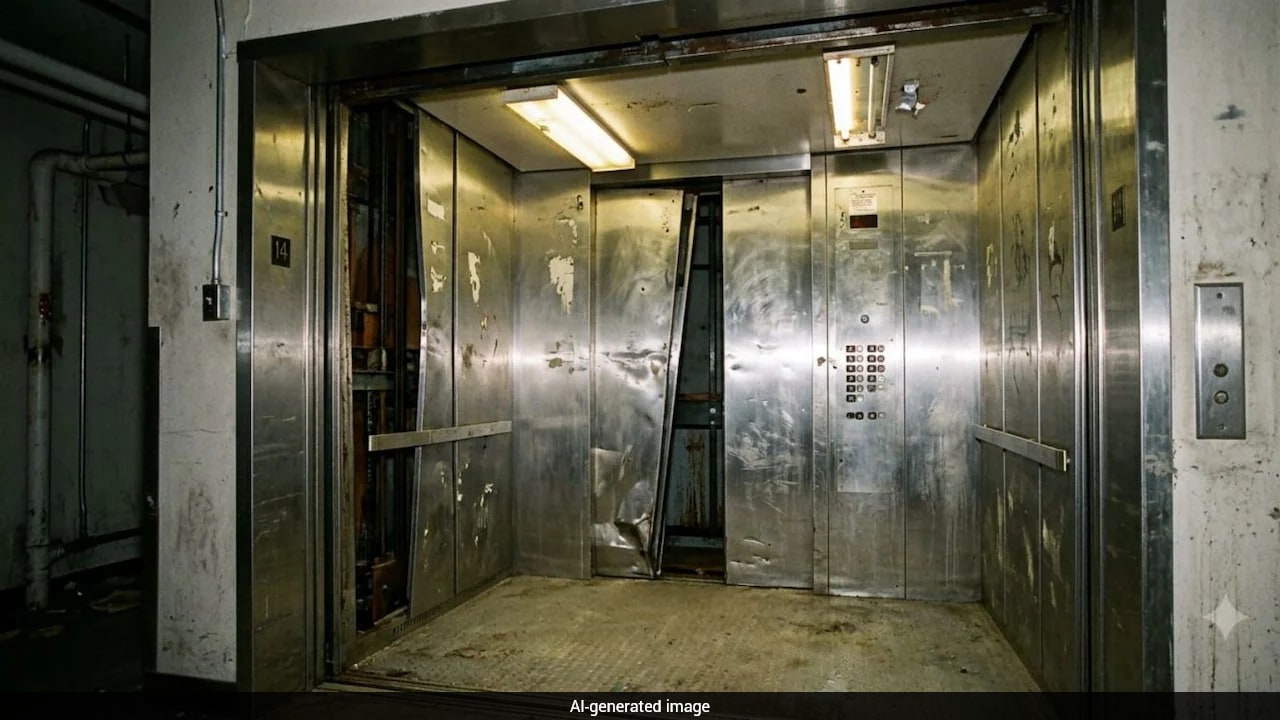
The Supreme Court clarified that consumers should not be expected to determine fault in lift accidents. The ruling stems from the fatal lift accident that claimed former diplomat Vipin Handa.
Key Takeaways
- Consumers are not required to assess fault after a lift accident.
- The Supreme Court assigns clear liability to all parties.
- Vipin Handa’s death prompted the landmark order.
Landmark Supreme Court Order
The apex court of India issued a decisive order stating that a consumer cannot be expected to first determine the extent of each party's fault in the event of a lift accident. This ruling prioritizes consumer protection and holds manufacturers and service providers more accountable.
Case Background
The case is linked to the tragic death of former diplomat Vipin Handa in a lift malfunction. His demise brought national attention to lift safety, compelling the judiciary to provide clearer legal guidance.
Historical Background
Over the past decades, numerous lift accidents have resulted in fatalities, yet legal proceedings often proved cumbersome and time‑consuming. Prior to this order, consumers faced extensive technical and legal examinations to attribute blame.
Why This Matters
BozokMedia analysis shows that the decision makes lift manufacturers, maintenance firms, and building owners equally liable, promising a boost in safety standards across the sector.
"This ruling frees consumers from the burden of fault‑finding and pushes the industry toward stricter safety compliance."
Frequently Asked Questions
Question 1: Does this order apply to all lift accidents?
Answer: Yes, the ruling is applicable to both public and private lifts nationwide.
Question 2: What should consumers do now?
Answer: Consumers should verify safety certificates before use, while companies must ensure regular maintenance.