The West Bengal Special Task Force has arrested a woman from Jharkhand for allegedly aiding a suspected Jaish-e-Mohammed operative through honey-trapping. The duo is accused of gathering intelligence on top state officials.
Key Takeaways
- Arpita Sarkar was arrested in Sahebgunj, Jharkhand, for her role in the conspiracy.
- The suspects allegedly used honey-traps to extract sensitive information.
- Hamim Mondal, the primary suspect, was reportedly receiving orders from a Pakistan-based handler.
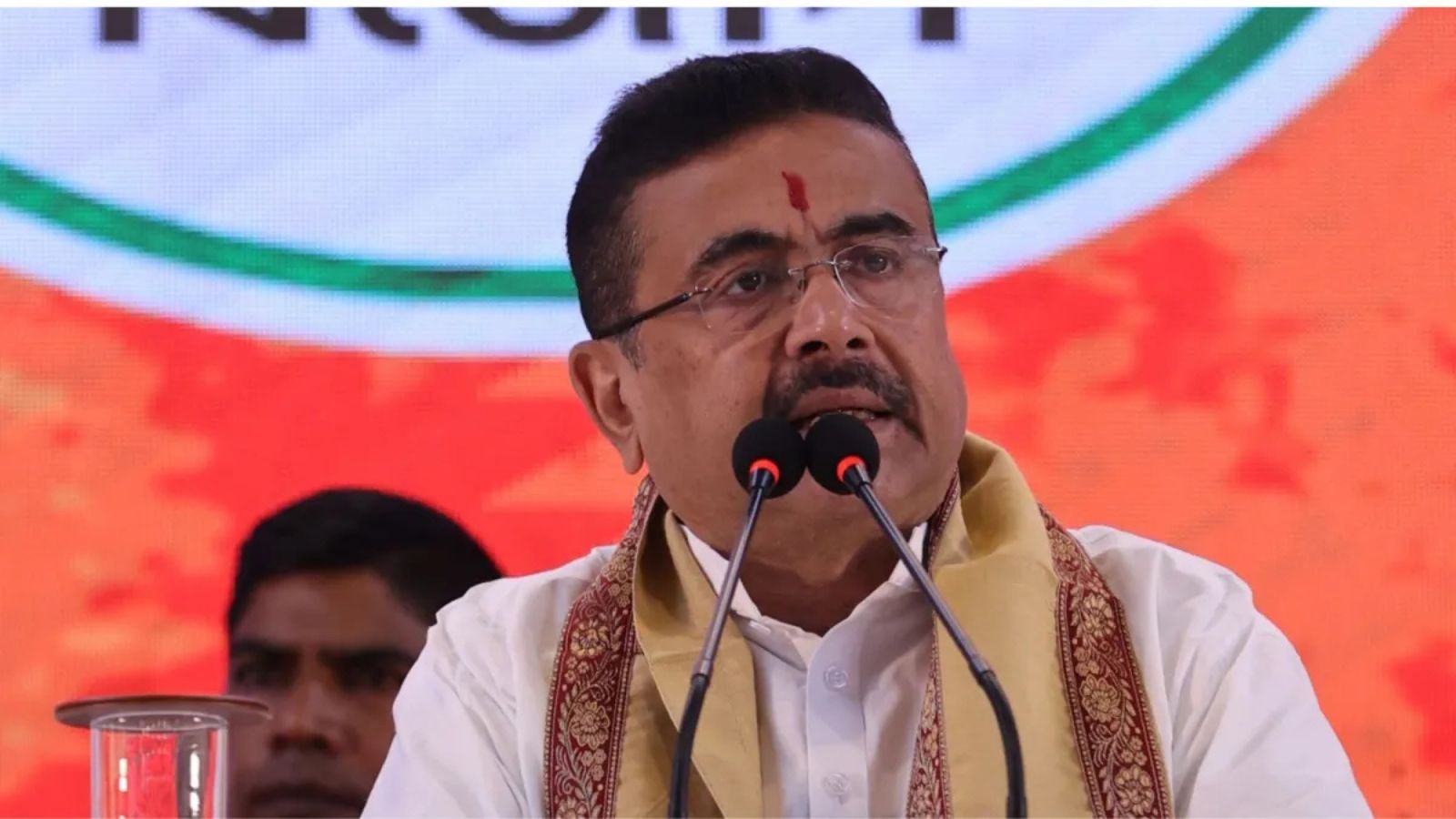
- The targets included West Bengal CM Suvendu Adhikari and other ministers.
The West Bengal Special Task Force (STF) has successfully apprehended an alleged female accomplice of Hamim Mondal, a suspected operative of the terror group Jaish-e-Mohammed. The woman, identified as Arpita Sarkar, was arrested in Jharkhand's Sahebgunj and subsequently brought to Bardhaman, West Bengal, for legal proceedings.
According to investigative reports, Sarkar played a pivotal role in the operation by employing 'honey trap' tactics. While Mondal focused on tracking the movements and convoy routes of West Bengal Chief Minister Suvendu Adhikari and other high-ranking ministers, Sarkar was allegedly tasked with ensnaring individuals to extract critical intelligence.
Why This Matters
BozokMedia analysis shows that this case highlights a dangerous shift in asymmetric warfare, where digital communication and social manipulation are used to penetrate high-level security circles. The involvement of a Pakistan-based handler suggests a coordinated international effort to destabilize regional security.
'The use of specialized apps and honey-trapping techniques indicates a highly sophisticated approach to intelligence gathering.'
Mondal had been living in upscale accommodations in Bardhaman and previously in Kolkata’s New Town. The police revealed that the duo communicated through encrypted applications to evade detection. Mondal is currently in police custody following his arrest at a local gym.
Historical Background
Honey-trapping has long been a recognized tool in espionage, but its integration with digital social engineering and terror networks has become increasingly prevalent in the 21st century. Intelligence agencies across India have been on high alert regarding such hybrid threats that target political leadership.
Frequently Asked Questions (FAQ)
1. Who was the main target of the suspected operatives?
The investigation suggests they were tracking the movements and security details of Chief Minister Suvendu Adhikari and other state ministers.
2. How were the suspects communicating?
The suspects reportedly used specialized mobile applications to communicate with each other and their handlers in Pakistan.