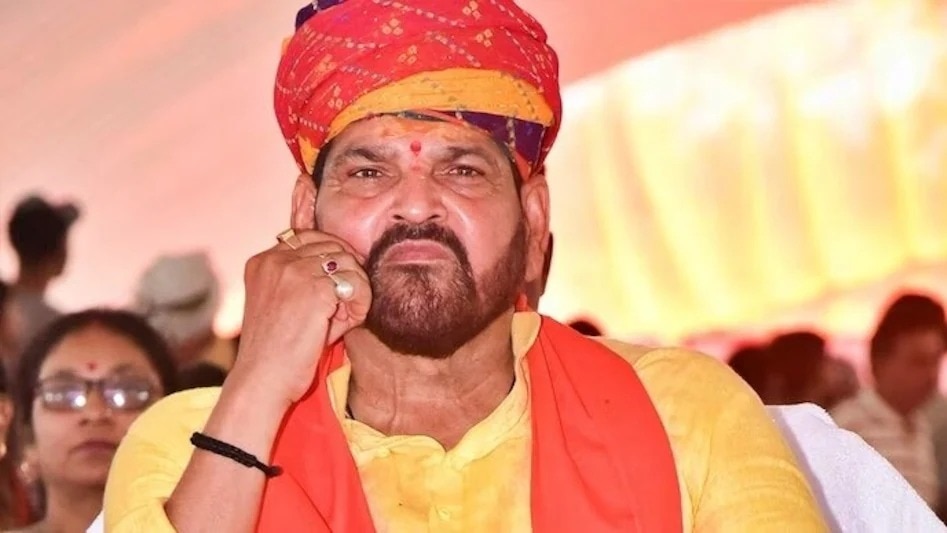
Delhi's Rouse Avenue Court has acquitted former WFI chief Brij Bhushan Sharan Singh in the sexual harassment case filed by female wrestlers. The court ruled that the prosecution failed to provide sufficient evidence, especially after a key minor wrestler withdrew her initial POCSO allegations.
Key Takeaways
- Delhi's Rouse Avenue Court acquitted Brij Bhushan Sharan Singh due to a lack of sufficient evidence.
- A major turning point occurred when the minor wrestler withdrew her POCSO allegations, citing frustration over non-selection.
- The prosecution failed to prove charges beyond reasonable doubt during the trial involving 32 witnesses.
Delhi's Rouse Avenue Court has provided major relief to former Wrestling Federation of India (WFI) chief Brij Bhushan Sharan Singh by acquitting him in the sexual harassment case filed by female wrestlers. Delivering the verdict on Monday, the court stated that there was insufficient evidence to convict him. Singh had been on regular bail since July 20, 2023, and charges were formally framed against him in May 2024 based on the Delhi Police charge sheet.
The controversy erupted in early 2023 when prominent, internationally acclaimed Indian wrestlers launched a massive protest at Delhi's Jantar Mantar. They demanded Singh's removal from his post and his immediate arrest. Following the intervention of the Supreme Court, the Delhi Police registered two separate FIRs in April 2023—one under the POCSO Act representing a minor, and another based on complaints from adult female wrestlers.
The Retraction and the Turning Point
The most dramatic turn in the case occurred when the minor wrestler and her family decided to withdraw their initial allegations. In a 550-page report submitted to the court, the Delhi Police highlighted that no corroborative evidence was found to support the POCSO charges. The minor, in her revised statement, clarified that she had filed the complaint out of frustration and anger after not being selected despite her hard work, rather than actual sexual harassment.
Why This Matters
BozokMedia analysis shows that this verdict not only reshapes the political and sporting landscape in India but also highlights the critical role of consistent witness testimonies in high-profile legal battles. It underscores that in criminal jurisprudence, sensational allegations must be backed by undeniable, objective evidence to secure a conviction.
"In criminal jurisprudence, the retraction of a key witness's statement, especially under POCSO, severely weakens the prosecution's foundation, making an acquittal highly probable in the absence of corroborative evidence."
Historical Background
The wrestlers' protest was one of the most significant athlete-led movements in Indian history. Champions like Sakshi Malik, Vinesh Phogat, and Bajrang Punia led the charge, bringing global attention to the governance of sports bodies in India. During the trial, the prosecution examined 32 witnesses, but the inconsistencies in the testimonies ultimately led the court to rule in favor of the accused.
| Aspect | Initial Allegations | Court Findings / Verdict |
|---|---|---|
| POCSO Case | Serious allegations of sexual harassment by a minor wrestler. | Minor retracted statement, citing frustration over non-selection. Case recommended for cancellation. |
| Adult Wrestlers' Allegations | Multiple female wrestlers alleged sexual harassment and mental exploitation. | The prosecution failed to present concrete evidence to prove charges beyond reasonable doubt. |
Frequently Asked Questions
1. Why was the POCSO case against Brij Bhushan Singh dropped?
The minor wrestler withdrew her sexual harassment allegations, stating she filed the complaint out of frustration and anger over her non-selection in trials, leading to a police cancellation report.
2. What was the court's main reason for acquitting Brij Bhushan Singh?
The court stated that the prosecution failed to provide sufficient and concrete evidence beyond reasonable doubt to support the adult wrestlers' claims, citing contradictions in statements.