The Supreme Court has ruled that state governments can withdraw criminal cases against students involved in NEET protests, provided they do not have a history of grave or heinous crimes.
Key Takeaways
- The Supreme Court clarified that states can close/withdraw cases against peaceful protesters.
- Relief excludes individuals with "grave and heinous" criminal antecedents.
- The bench addressed concerns regarding the misuse of Facial Recognition Technology.
- The ruling aims to prevent undue hardship for students participating in democratic protests.
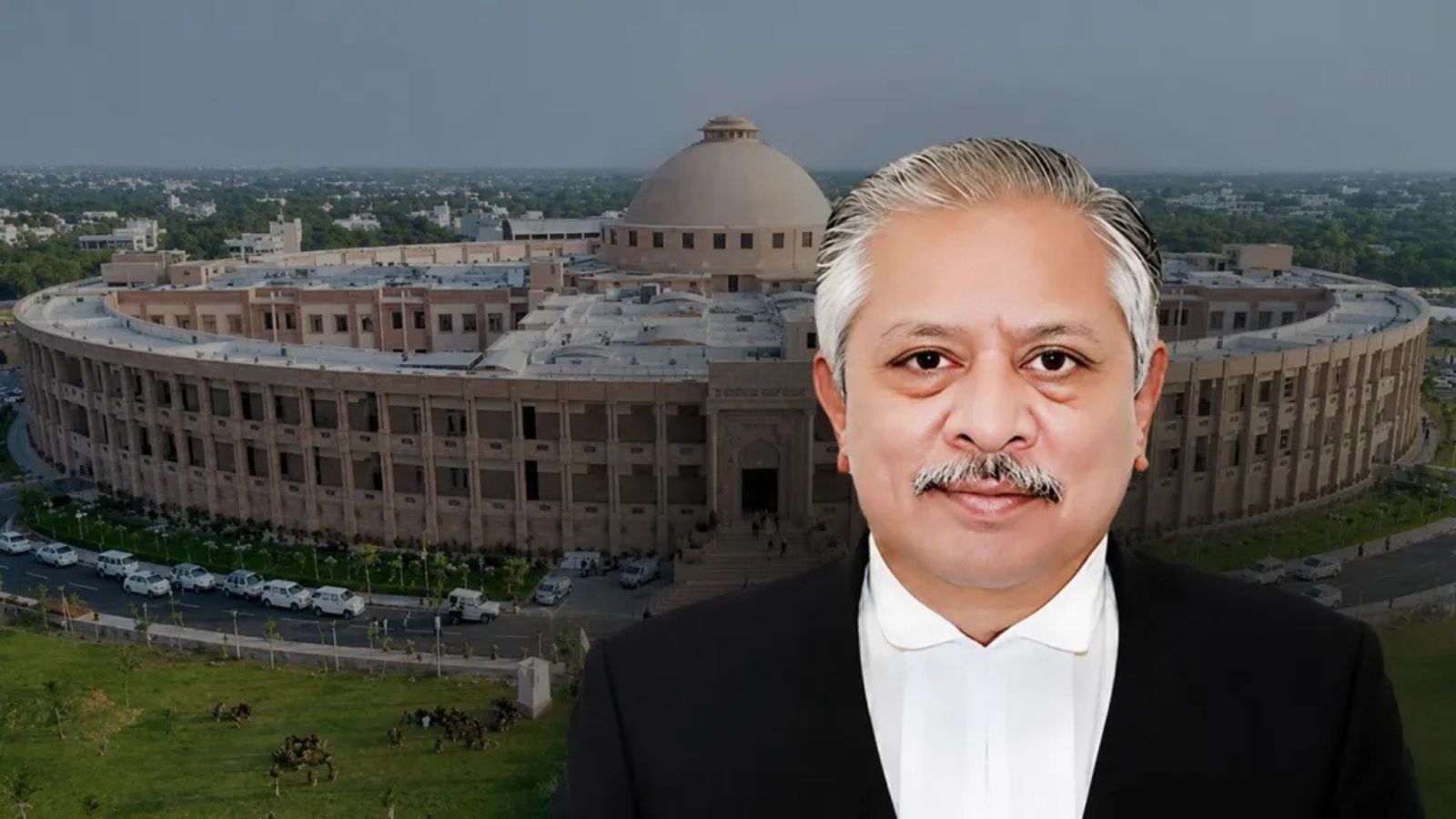
New Delhi: In a landmark development for students involved in the protests against paper leaks, a three-judge bench of the Supreme Court, led by Chief Justice of India (CJI) Surya Kant, has ruled that state governments are at liberty to close or withdraw criminal cases against protesters. This clarification comes to resolve ambiguities surrounding a previous order issued on July 28.
However, the court maintained a strict boundary: this relief will not extend to individuals named in "grave and heinous" criminal cases. The bench emphasized that while peaceful dissent is protected, those with a history of serious offenses like murder or sexual assault cannot claim immunity under the guise of protest.
Why This Matters
BozokMedia analysis shows that this ruling is a critical attempt to decouple legitimate student activism from criminal elements. By allowing the withdrawal of cases for bona fide protesters, the judiciary is preventing the long-term academic and professional destruction of students who were merely exercising their democratic rights.
"The distinction between a peaceful protester and a person with a criminal history is vital to maintaining the integrity of democratic dissent."
During the proceedings, Solicitor General Tushar Mehta noted that police investigations identified approximately 2,738 individuals with serious criminal backgrounds, including charges of murder and rape, who were present at the Jantar Mantar protest site. In response, legal counsel for the petitioners raised significant concerns regarding the use of Facial Recognition Technology (FRT), questioning the privacy implications and the lack of consent for using biometric data.
Historical Background
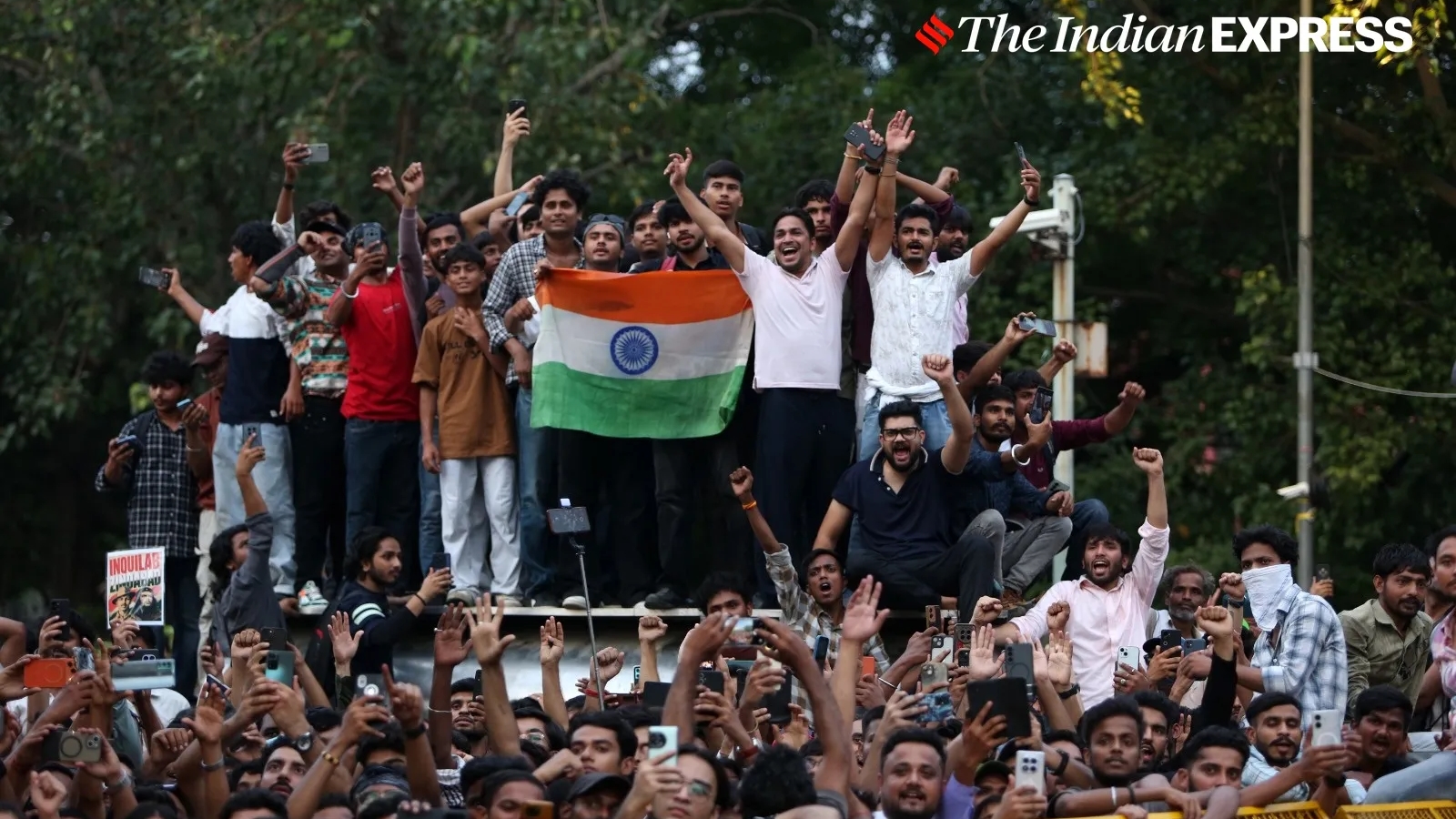
The legal battle stems from the 'Sansad Chalo' march led by the Cockroach Janta Party (CJP) on July 20, 2026. The march, aimed at protesting NEET irregularities, resulted in clashes between protesters and security forces, leading to numerous injuries and a surge in FIRs across multiple states including Delhi, Bihar, and Maharashtra.
Frequently Asked Questions
1. Who is eligible for the withdrawal of cases?
Students who participated in the protests and do not have a prior record of grave or heinous criminal offenses are eligible.
2. What about the use of Facial Recognition Technology?
The use of FRT by police to identify protesters is currently a subject of intense legal debate regarding privacy and personal liberty.