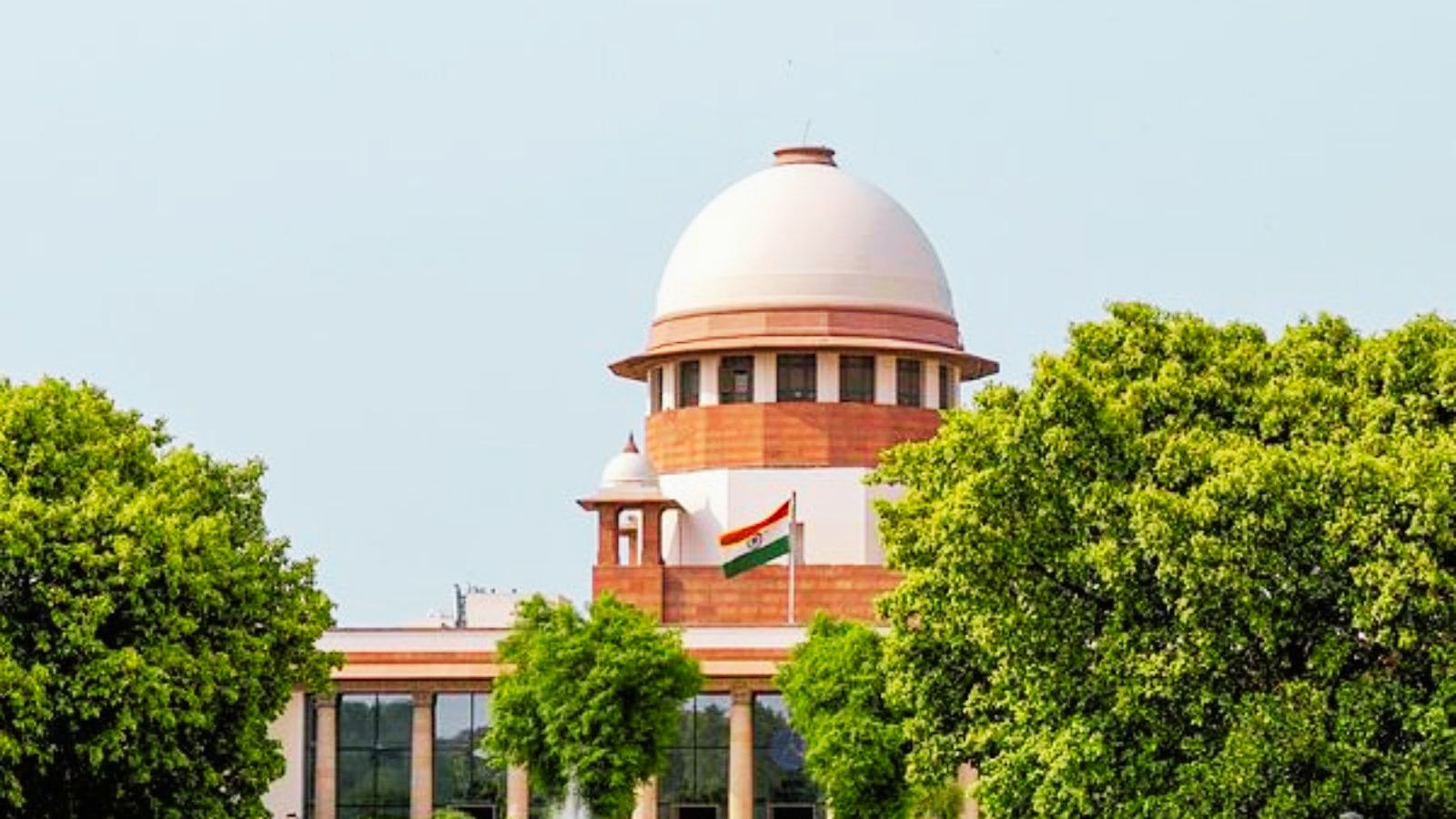
The Supreme Court began hearing the NEET protest case today, hinting at the creation of a Special Investigation Team (SIT). The move aims to address the mounting tension between students and the government, with the court’s next ruling eagerly awaited.
Key Takeaways
- Supreme Court indicates potential SIT formation
- Hearing started this afternoon
- Legal arguments focus on NEET protest demands
New Delhi – The Supreme Court commenced the hearing of the NEET protest case this afternoon, signalling a possible establishment of a Special Investigation Team (SIT). The decision underscores the judiciary’s willingness to intervene in a dispute that straddles education policy and public health concerns.
Leading counsel Anil Singh argued that the students’ grievances are legitimate and demand a dialog‑based resolution, while the government side emphasized that NEET serves as a national benchmark for medical admissions.
Historical Background: Similar protests erupted in 2023‑2024, prompting the Court to question the constitutional validity of certain admission criteria. In those instances, the judiciary recommended amendments or a comprehensive review, setting a precedent that may influence today’s deliberations.
Why This Matters
BozokMedia analysis shows that an SIT could reshape not only the NEET examination structure but also the broader framework of medical education entry in India. The outcome will reverberate across students, medical institutions, and health‑policy makers alike.
"The formation of an SIT will bring transparency to the process and ensure fairness for all stakeholders," says a leading education policy expert.
Frequently Asked Questions
Question 1: When will the SIT be formed and who will be its members?
Answer: The final order from the Court will determine the timeline; members are likely to include legal scholars, medical experts, and senior administrators.
Question 2: How will this decision affect the next NEET exam?
Answer: Should the SIT recommend new guidelines, changes could appear in the exam pattern, eligibility criteria, and application procedures.