New Delhi: The Supreme Court has ordered a hearing on a petition challenging the suitability of Jantar Mantar as a protest venue. The move aims to resolve the legal controversy sparked after the July 20 Parliament march and subsequent clashes with police.
Key Takeaways
- Supreme Court to hear petition on Jantar Mantar’s suitability for protests
- PIL seeks an alternate protest site away from Jantar Mantar
- Court has issued notice to the Centre for a detailed response
Hearing Overview
A retired Indian Air Force officer filed a petition stating that Jantar Mantar is no longer an appropriate location for demonstrations due to ingress‑egress constraints, lack of medical supplies, and security concerns. A three‑judge bench, comprising Chief Justice of India Surya Kant, Justice Joymalya Bagchi and Justice V Mohana, has taken up the matter as a priority.
Background and Ongoing Dispute
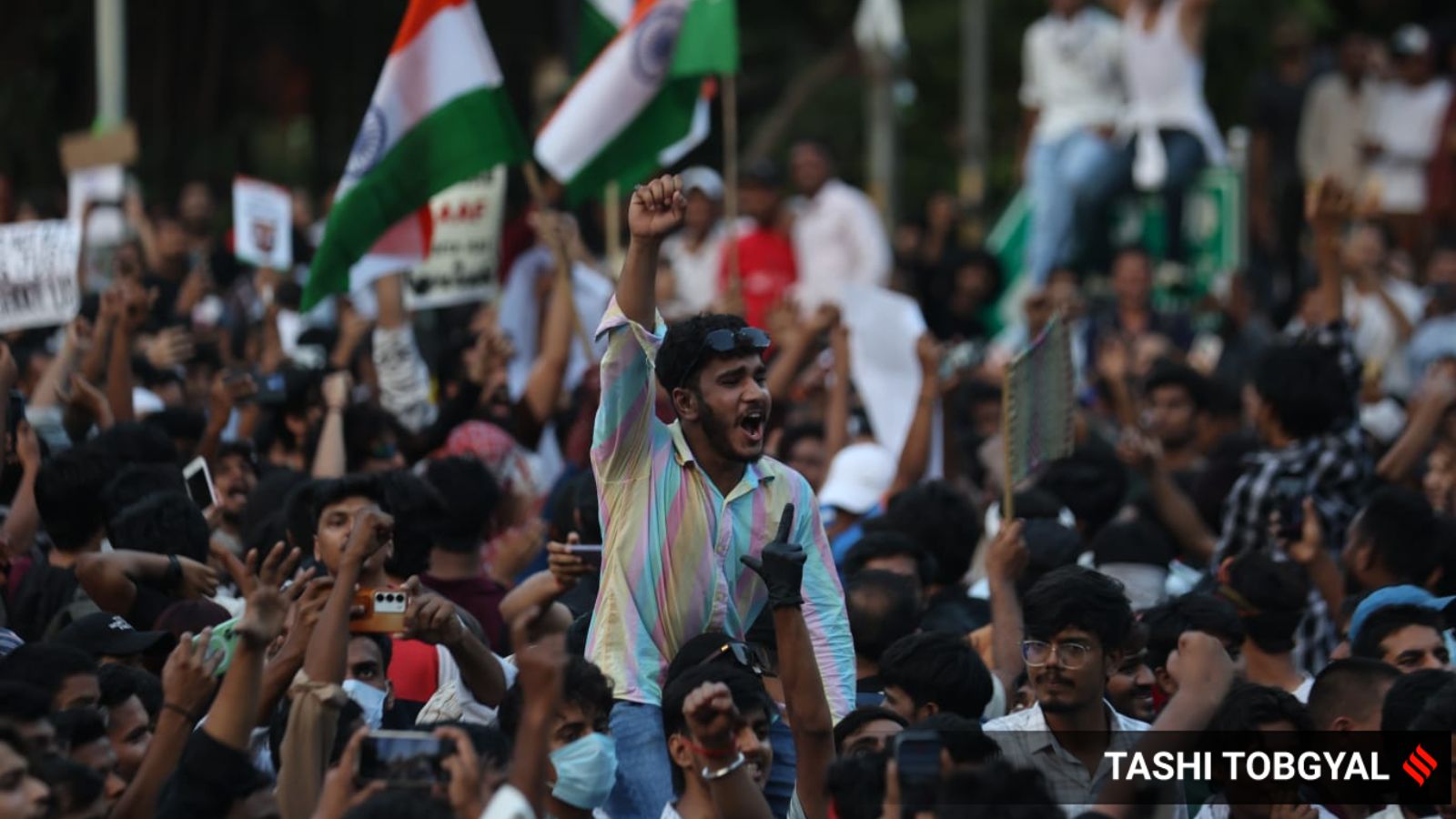
Historically, Jantar Mantar has served as a symbolic ground for various social and political movements. After the July 20 Parliament march—allegedly linked to a NEET question‑paper leak—clashes with Delhi Police raised doubts about the venue’s capacity to handle large‑scale protests. Different state governments have issued divergent notices regarding arrests and FIRs, fueling public discontent.
Counsel’s Arguments
Advocate Rizwan Ahmed, representing the petitioner, argued that organizers continue to inflame tensions despite generous government actions. He labeled social media a "ugly battleground" and suggested that offending youths be sentenced to at least seven days of community service instead of filing FIRs, to reduce societal acrimony.
Court’s Administrative Action
The Supreme Court issued a notice to the Centre and instructed Solicitor General Tushar Mehta to seek government instructions on the matter. Chief Justice Kant remarked, "Jantar Mantar is not a proper site for such protests anymore because of ingress and egress issues, supply of medical essentials, etc."
Why This Matters
BozokMedia analysis shows that a ruling on this PIL could set a nationwide precedent for how protest sites are regulated, potentially reshaping the balance between civil liberties and public safety across India.
"If the Supreme Court deems Jantar Mantar unsuitable, it will accelerate the search for alternative venues for public dissent," says Prof. Anjali Singh, National Law Institute.
Frequently Asked Questions
- What stage is the PIL currently at? The Court has listed it for an early hearing, with a possible hearing slated for next week.
- Why is Jantar Mantar being challenged? The main concerns are restricted entry‑exit routes, inadequate medical facilities, and heightened security risks.