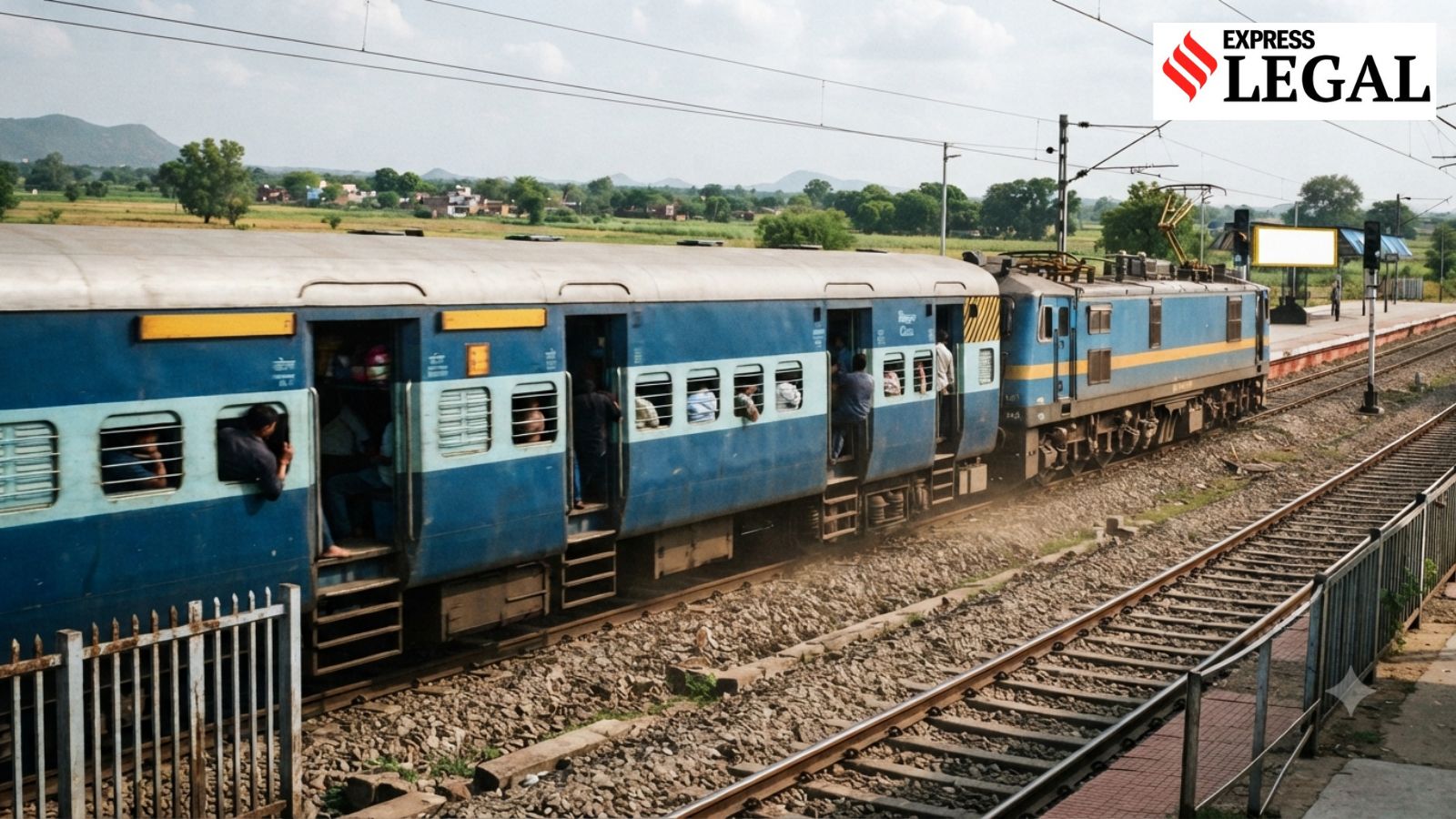
The Delhi High Court upheld the National Human Rights Commission’s directive, ordering the Railways to pay Rs 3 lakh to the 2012 Bihar train gang‑rape survivor. The judgment clarifies that private perpetrators do not absolve the Railways from its statutory duty to compensate passengers.
Key Takeaways
- Railways ordered to pay Rs 3 lakh compensation.
- NHRC’s jurisdiction affirmed by the court.
- Section 124A imposes no‑fault liability on Railways.
Court Hearing Overview
The Delhi High Court dismissed the Ministry of Railways’ challenge to the NHRC’s compensation order. Justice Amit Bansal emphasized that the Railways remains liable for passenger safety, even when the crime is committed by private individuals.
NHRC Directions and Compliance
On 30 April 2014 and again on 19 April 2016, the NHRC directed the Railway Board chairman to pay an immediate monetary relief of Rs 3 lakh to the survivor. The Railways contested this in court, but the High Court upheld the commission’s authority.
Historical Background
The case stems from the horrific gang‑rape that occurred on 27 August 2012 inside a Bihar passenger train. The victim, traveling with a valid ticket, was assaulted while the train was stationary at a railway station. Her father filed a complaint with the NHRC on 9 March 2013, initiating a prolonged legal battle.
Why This Matters
BozokMedia analysis shows that this judgment reinforces the principle of no‑fault liability under Section 124A, compelling railway authorities to proactively ensure passenger safety, thereby setting a precedent for future human‑rights violations on public transport.
"This ruling sends a clear signal that railway operators must upgrade security protocols, irrespective of who commits the crime," says human‑rights scholar Dr. Rajat Singh.
Frequently Asked Questions
Q1: Will the Railways be required to implement additional safety measures after this verdict?
A: Yes, the court explicitly mandated proactive steps to enhance passenger security.
Q2: Has the NHRC granted similar financial relief in other human‑rights cases?
A: The NHRC has provided monetary compensation in numerous violations, but this case uniquely underscores railway liability.
