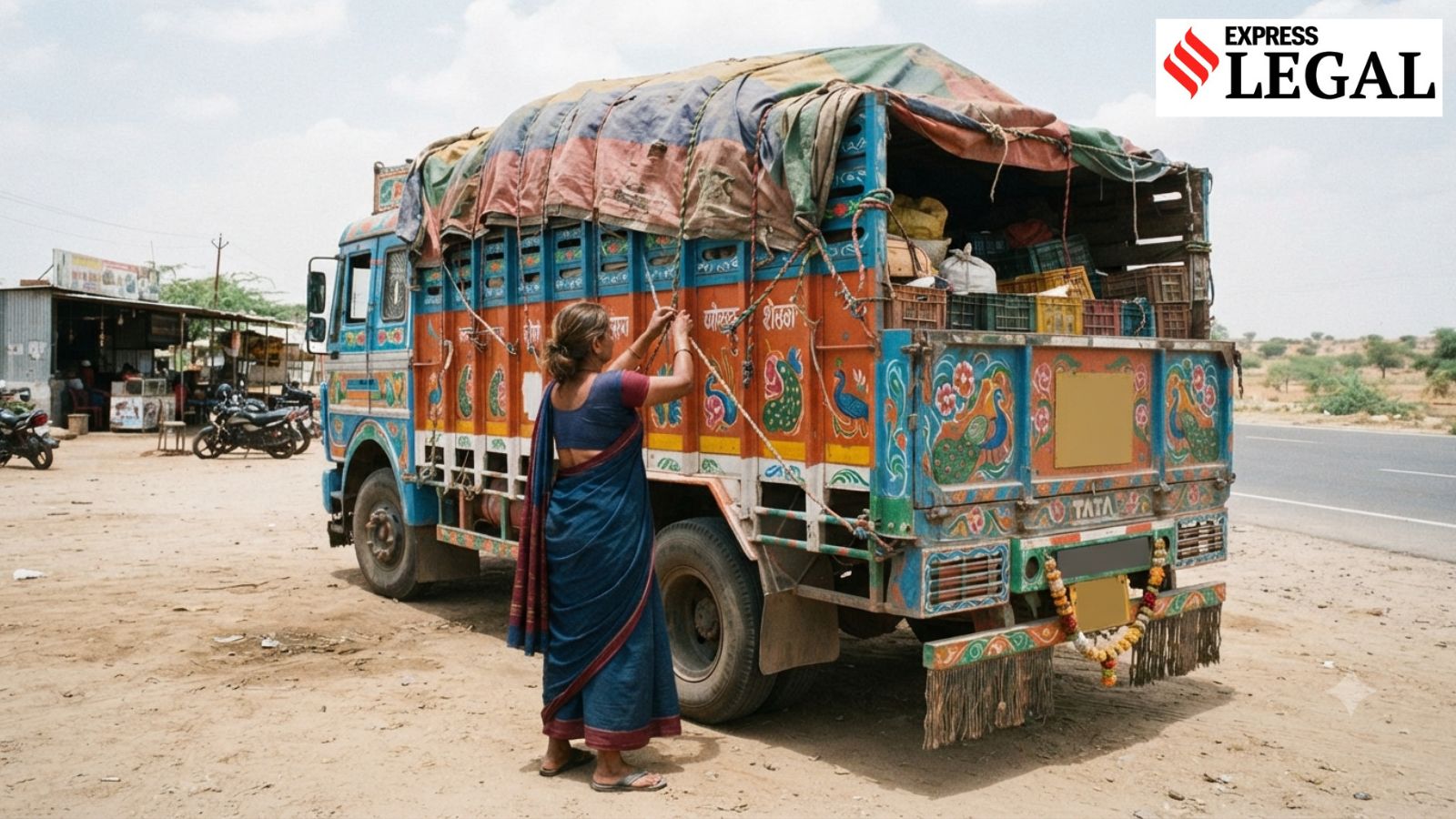
The West Bengal Consumer Commission has slammed a finance company for illegally repossessing a woman's truck despite no loan default, awarding her ₹17.17 lakh in compensation.
Key Takeaways
- Repossessing a vehicle without an active default is a gross deficiency in service.
- Defaults in other loan accounts do not justify seizing a specific asset.
- The commission awarded ₹17.17 lakh for loss of livelihood, mental agony, and litigation.
- The loan account is now ordered to be treated as fully settled.
The West Bengal State Consumer Disputes Redressal Commission has delivered a landmark judgment, ordering a finance company to pay ₹17.17 lakh to a woman truck owner. The case stems from a 2018 incident where Sampa Basak had her financed commercial truck illegally repossessed from a highway by agents of Cholamandalam Investment and Finance Company Limited, despite her being current on all EMI payments.
During the proceedings, judicial member Rajes Guha Ray and member Santanu Saha observed that the financier had acted in bad faith. The commission noted that the company failed to provide the mandatory seven-day prior notice, issuing a notice only after the vehicle had already been forcefully seized.
Why This Matters
BozokMedia analysis shows that this ruling sets a critical legal precedent for the MSME and transport sectors. It reinforces that financial institutions cannot use coercive tactics to recover dues from other accounts to target a specific asset that is being serviced correctly, protecting the livelihood of small-scale entrepreneurs.
"A financier cannot invoke the harsh remedy of repossession when there is no active financial default on the specific asset."
The finance company attempted to defend its actions by claiming the vehicle was part of a hire-purchase agreement and that the complainant was not a 'consumer' due to the commercial nature of the vehicle. However, the Commission dismissed this, ruling that Basak falls under the protection of the Consumer Protection Act, 1986.
Historical Background
The tension between recovery agents and borrowers has been a recurring theme in Indian jurisprudence. While the Supreme Court has recognized the rights of financiers under hire-purchase agreements, it has simultaneously emphasized that such rights must be exercised within the bounds of due process and without violating the fundamental rights of the borrower.
Frequently Asked Questions
1. Can a bank seize my car if I have a default on a different loan?
According to this ruling, no. A financier cannot justify the seizure of a specific asset if that particular loan account is up to date.
2. What should I do if a recovery agent seizes my vehicle without notice?
You should immediately contact the National Consumer Helpline at 1915 or approach your local Consumer Disputes Redressal Commission.