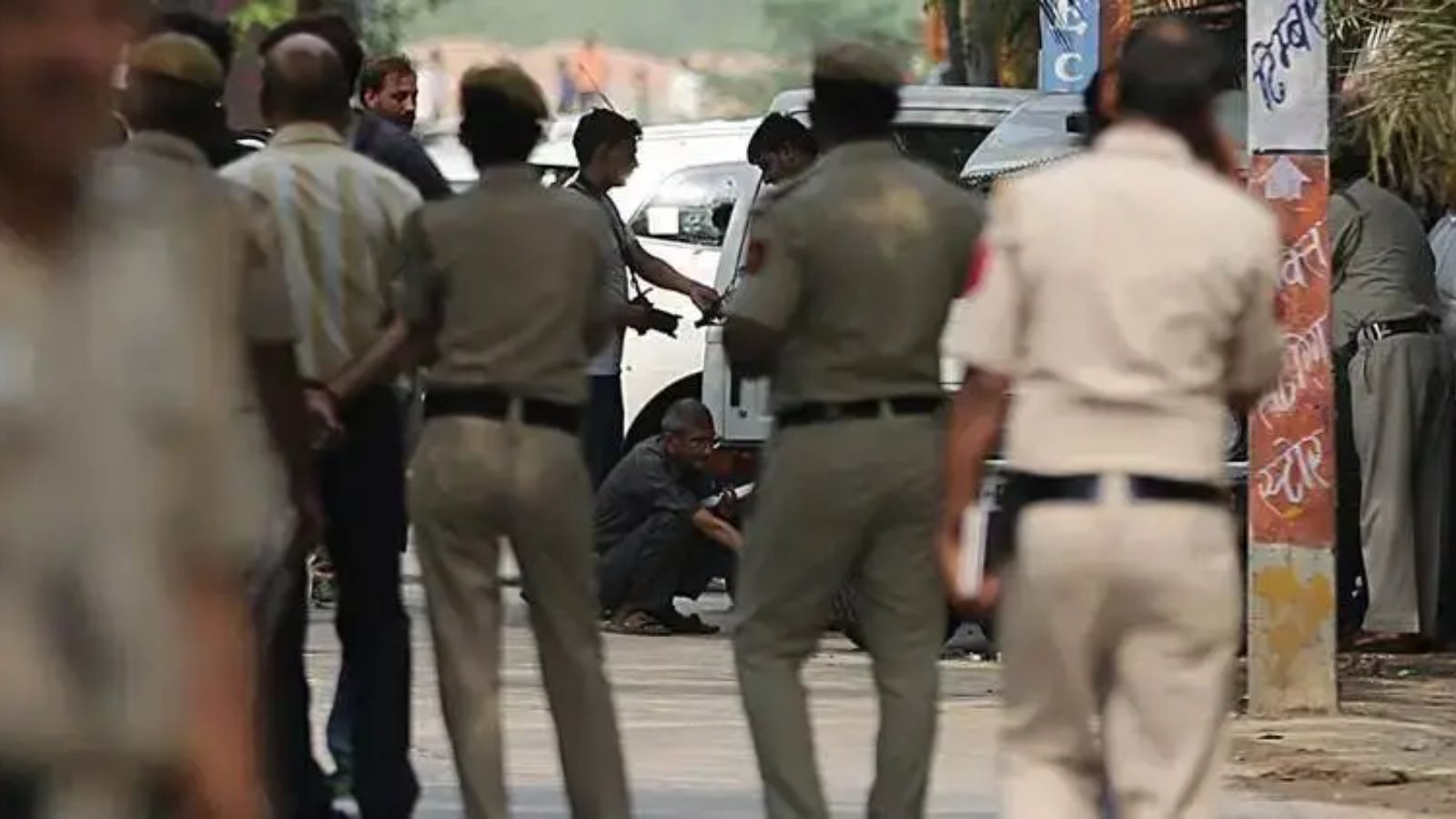
The Maharashtra State Human Rights Commission has intervened following reports of Pune Police parading murder suspects, including minors, on the bonnet of a police vehicle. The Commission labeled the alleged act as 'barbaric' and has issued notices to top officials.
Key Takeaways
- MSHRC has taken suo motu cognisance of the incident in Pune.
- The Commission described the alleged parading of minors as a "barbaric incident."
- Notices issued to Pune Police Commissioner and other senior officials.
- A fact-finding inquiry has been ordered by the Commission's investigation wing.
Pune: The Maharashtra State Human Rights Commission (MSHRC) has taken suo motu cognisance of a disturbing incident where the Pune Police allegedly paraded murder suspects, including minors, on the bonnet of a police vehicle. Taking note of video clips circulating on social media, the Commission observed that if the footage is genuine, it depicts a "barbaric incident" that would bring shame to the state of Maharashtra.
Legal Action and Official Notices
In a stern 10-page order, a full bench comprising Chairperson Justice A.M. Badar, and members Justice Swapna Joshi and Justice Sanjay Kumar, directed notices to be issued to Pune Police Commissioner Amitesh Kumar, DCP (Zone II) Milind Mohite, and Senior Police Inspector Mansingh Patil. Furthermore, the Commission has sought personal affidavits from the Maharashtra Chief Secretary and the Director General of Police (DGP) to clarify the state's stance and the actions taken.
The act of parading suspects on a vehicle bonnet constitutes a flagrant violation of constitutional rights and the fundamental tenets of due process.
BozokMedia analysis shows that this incident highlights a severe breakdown in procedural justice. The Commission noted that the suspects, linked to a murder case in Katraj, were allegedly forced to walk on their knees and were assaulted in public, causing significant psychological trauma to the minors involved. This conduct appears to bypass the protections guaranteed under the Juvenile Justice law.
Why This Matters
This case is critical as it touches upon the core of democratic policing. By drawing parallels to controversial incidents in Kashmir, the Commission highlighted the risk of police actions projecting a "Jungle Raj" image, which undermines the credibility of the state administration and the rule of law.
Historical Background
Historically, the Indian judiciary has been extremely vigilant against "mob justice" or "police high-handedness." The Supreme Court of India has established numerous precedents stating that even the most heinous criminals are entitled to constitutional protections and that public humiliation is not a substitute for legal punishment.
Frequently Asked Questions
1. What is the immediate next step in this case?
The Commission's investigation wing, led by Special Inspector General Datta Karale, must complete a preliminary fact-finding inquiry and submit its report within one week.
2. Has the Pune Police Commissioner responded?
While the Commissioner has termed the action 'unwarranted' and initiated an internal inquiry, the MSHRC is now conducting an independent investigation to ensure accountability.