The Bihar government has informed the Supreme Court that Deepak Prakash can continue as Panchayati Raj Minister following his nomination to the Legislative Council. The case challenges the limits of Article 164(4).
Key Takeaways
- Bihar government argues MLC status validates Deepak Prakash's ministerial role.
- Supreme Court questioned the retention of an unelected minister beyond six months.
- Legal challenge focuses on the potential circumvention of Article 164(4).
New Delhi: In a significant legal development, the Bihar government on Friday submitted to the Supreme Court that there is no legal impediment to Deepak Prakash continuing his tenure as the Panchayati Raj Minister. The state argues that since Prakash has now been nominated as a member of the Bihar Legislative Council (MLC), his status fulfills constitutional requirements.
Solicitor General Tushar Mehta presented this argument before a three-judge bench led by CJI Surya Kant. The bench, which includes Justice Joymalya Bagchi and Justice V Mohana, has directed the state to submit the official nomination notification during the next hearing. The case stems from a petition challenging Prakash's second appointment as a minister without being an elected member of either House.
Why This Matters
BozokMedia analysis shows that this case strikes at the heart of parliamentary accountability. Under Article 164(4) of the Indian Constitution, a person who is not a member of either House can be appointed as a minister, but they must secure election to either House within a period of six months.
The outcome of this case will set a vital precedent regarding the boundaries of executive appointments and legislative membership.
The petitioner, Rakesh Kumar Singh, contends that the constitutional provision is intended as a one-time grace period, not a loophole to be exploited every time a government changes. He argues that re-appointing a non-member undermines the principles of representative democracy and collective responsibility.
Historical Context
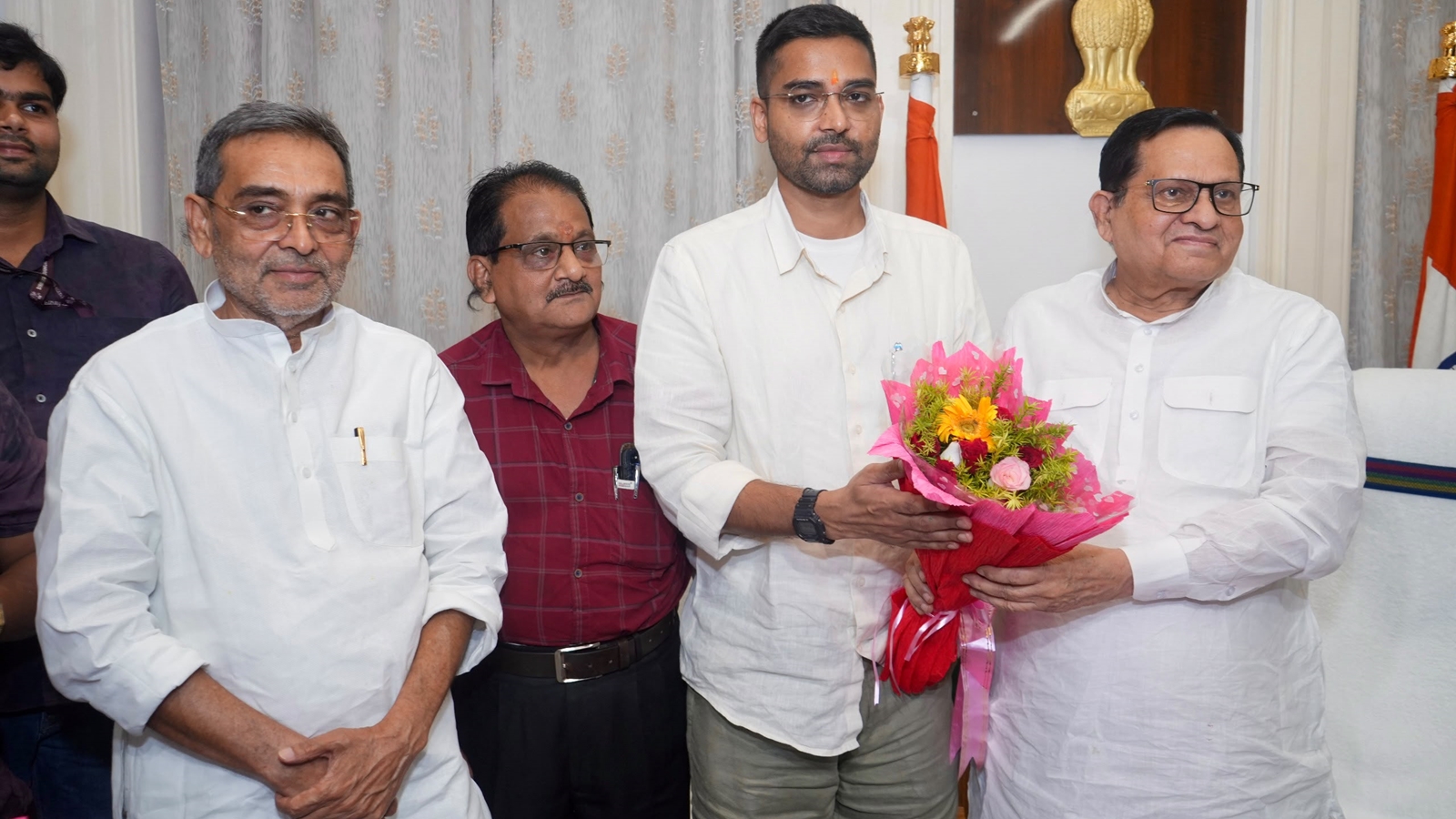
Deepak Prakash, son of RLM president Upendra Kushwaha, was initially inducted as a minister in November 2025. Following a change in leadership in April 2026, he was re-inducted into the cabinet, leading to the current legal scrutiny regarding his eligibility and the timing of his legislative membership.
Frequently Asked Questions
1. What is the core legal issue in this case?
The issue is whether a minister can be re-appointed using the six-month rule if they were previously a minister under the same provision without being elected.
2. What did the Supreme Court demand from the Bihar government?
The Court has asked the state to provide the official notification of Deepak Prakash's nomination to the Legislative Council.