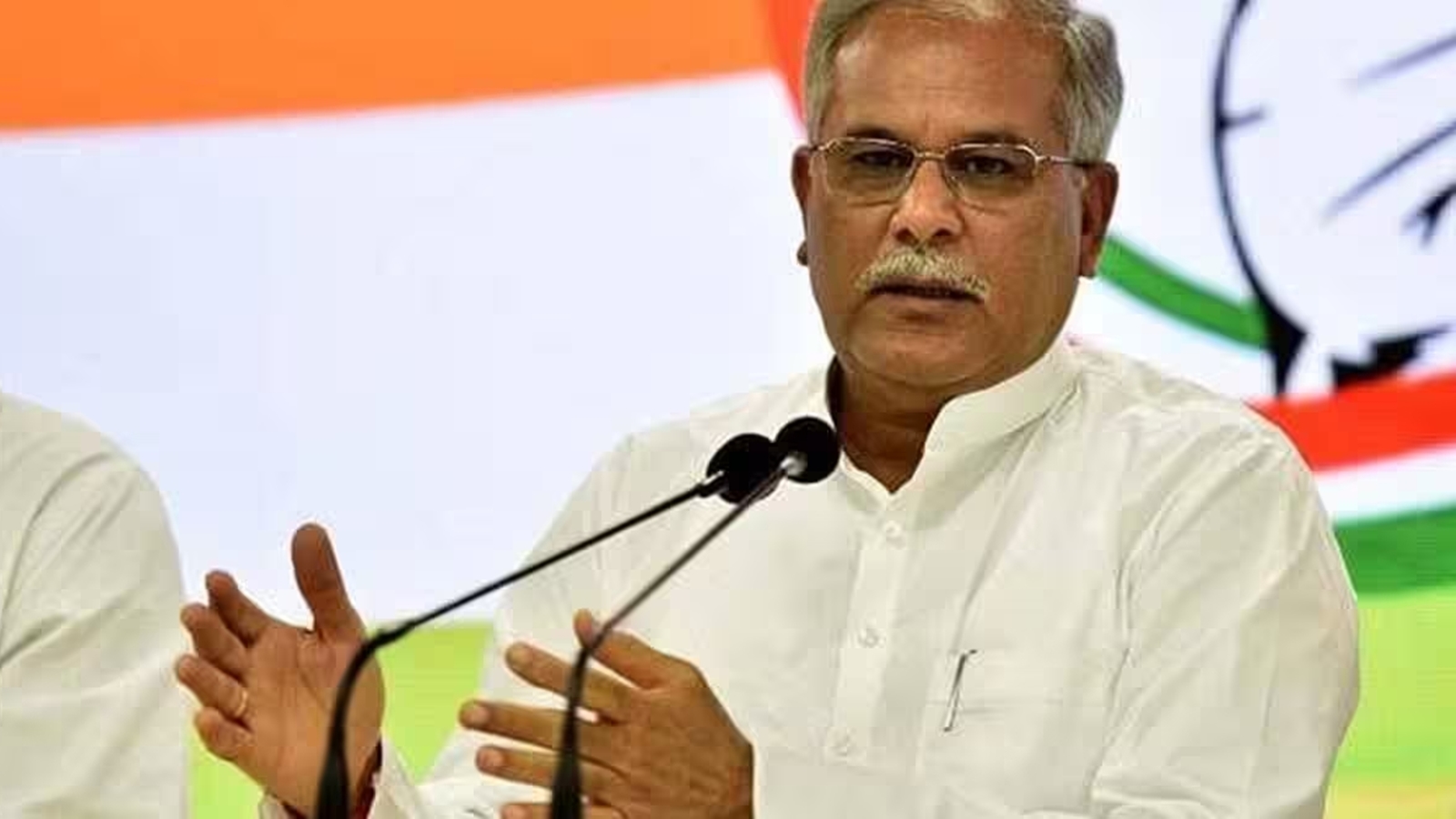
The Supreme Court has declined to interfere with the Chhattisgarh High Court's order regarding the election petition against former CM Bhupesh Baghel. The court emphasized that evidence must determine if code violations impacted the poll results.
Key Takeaways
- SC refused to stay the Chhattisgarh High Court's order.
- The petition challenges Bhupesh Baghel's 2023 election victory from Patan.
- The core issue is whether a roadshow during the silence period affected the outcome.
- Senior Advocate Kapil Sibal argued the violation was an electoral offence, not corrupt practice.
New Delhi: In a significant legal development, the Supreme Court of India on Friday refused to grant relief to former Chhattisgarh Chief Minister Bhupesh Baghel. The bench declined to interfere with the Chhattisgarh High Court’s ruling, which upheld the maintainability of an election petition challenging Baghel's victory in the 2023 Assembly elections from the Patan constituency.
A three-judge bench, headed by Chief Justice of India Surya Kant, observed that the matter hinges on evidence. The court noted that it must be determined through trial whether the alleged violation of the Model Code of Conduct materially influenced the final election results.
Historical Background
The legal battle began when rival BJP candidate Vijay Baghel filed a petition alleging that Bhupesh Baghel conducted a roadshow during the mandatory 48-hour silence period preceding the polls. This act is alleged to be a violation of Section 126 of The Representation of the People Act, 1951.
Why This Matters
BozokMedia analysis shows that this case sets a critical precedent regarding the distinction between 'corrupt practices' and 'electoral offences.' The legal outcome will define how strictly procedural violations are treated when they do not explicitly aim to corrupt the voter's will but violate technical election laws.
The distinction between a corrupt practice and an electoral offence is the pivot upon which this entire legal battle turns.
Representing the former CM, Senior Advocate Kapil Sibal argued that even if the allegations were true, they do not constitute 'corrupt practice' under Section 123 of the Act, but rather an 'electoral offence' under Section 125. Sibal contended, "It cannot impact the result of the election... why should I undergo a trial for something that is not a corrupt practice?"
Frequently Asked Questions
1. What is the specific allegation against Bhupesh Baghel?
He is accused of violating the 48-hour silence period before polling by holding a roadshow.
2. What was the Supreme Court's stance?
The SC refused to interfere and directed the petitioner to present all contentions before the High Court.

