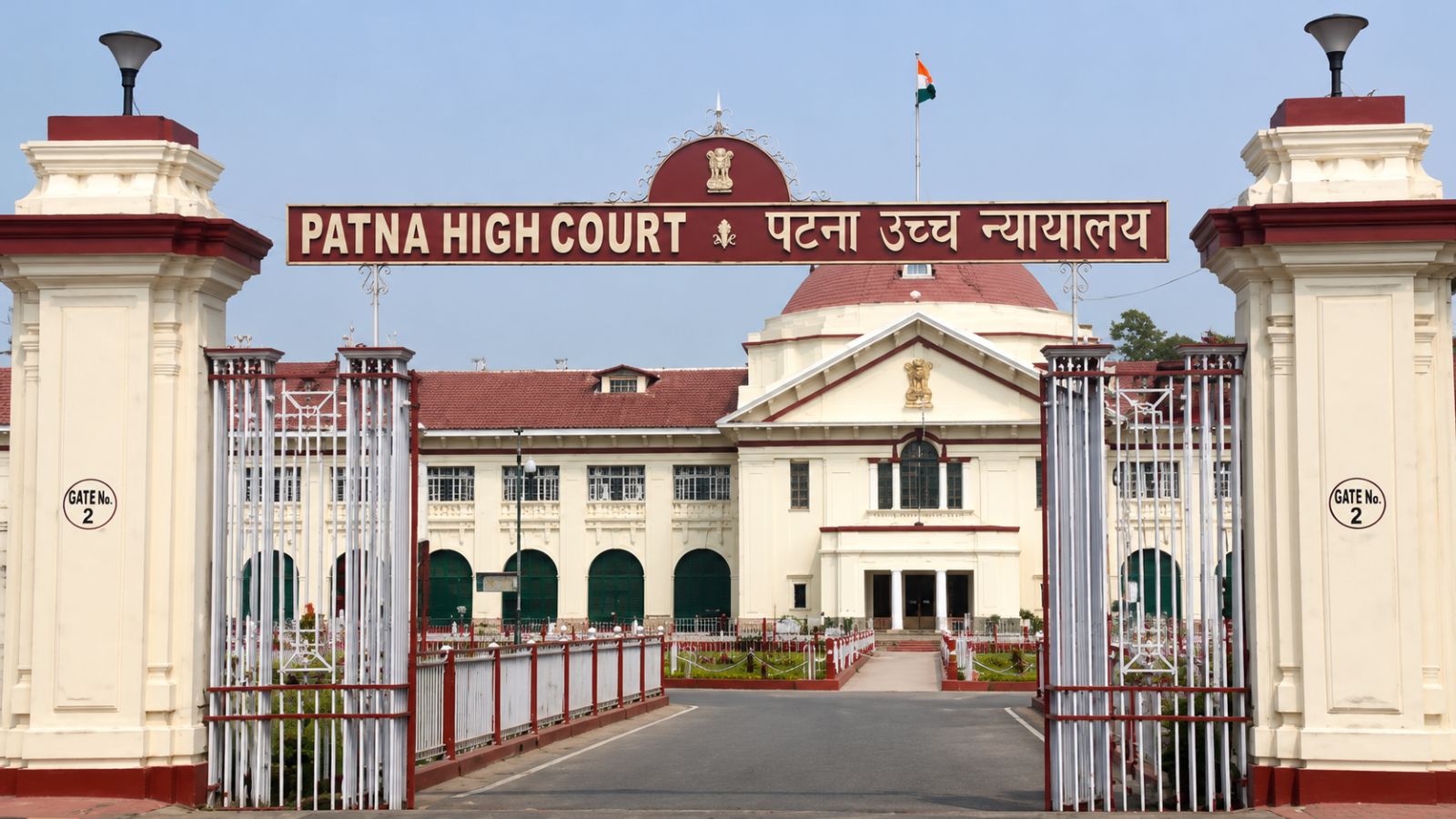
The Patna High Court has slammed a lower court judge's decision to grant bail in a 2024 shooting case, labeling it 'perverse' and ordering a review for disciplinary action.
Key Takeaways
- Patna High Court invalidated the bail granted to Dharmendra Kumar in a 2024 Digha firing case.
- The court described the lower court's order as 'perverse' and lacking judicial application of mind.
- Records have been sent to the Acting Chief Justice for potential disciplinary action against the judge.
- The bail was granted on a date that was not even scheduled for a hearing.
In a significant move to uphold judicial integrity, the Patna High Court has directed that the records of a 2024 firing case be placed before the Acting Chief Justice to initiate "appropriate action" against a subordinate judge. The decision comes after the High Court found serious flaws and inconsistencies in a bail order granted to Dharmendra Kumar, an accused in a violent shooting incident in Patna's Digha area.
Background of the Case
The incident occurred on June 6, 2024, when the informant, Shyam Sundari Devi, alleged that her son was shot while feeding cattle. While the accused was arrested on June 7, 2024, a lower court granted him bail on July 22, 2024. However, Justice Sandeep Kumar noted that the bail order relied on irrelevant considerations and completely ignored material evidence, including the victim's medical reports and the accused's criminal history.
Judicial Irregularities Revealed
The High Court highlighted several alarming irregularities. Most notably, the bail was granted on a date that had not been fixed for a hearing. Furthermore, the lower court had claimed there was no evidence of firearm injury, despite a medical report from Patna Medical College and Hospital confirming a 'grievous' injury and a foreign body near the victim's bone. The court also noted that the accused had failed to make a "fair, complete and candid disclosure" of his criminal antecedents.
Why This Matters
BozokMedia analysis shows that this ruling serves as a critical check on judicial misconduct and procedural lapses. When a lower court bypasses established medical evidence and ignores criminal records under "unusual haste," it undermines the public's trust in the legal system. This case underscores the necessity for strict adherence to judicial protocols to ensure that justice is not just done, but is seen to be done.
"Justice must not only be done, but it must also appear to have been done."
Frequently Asked Questions
1. Why did the High Court call the bail order 'perverse'?
The court found that the order ignored medical evidence of grievous injury and the accused's undisclosed criminal past, while also being passed on an unscheduled date.
2. What happens next for the concerned judge?
The case records have been forwarded to the Acting Chief Justice to determine the appropriate disciplinary action.