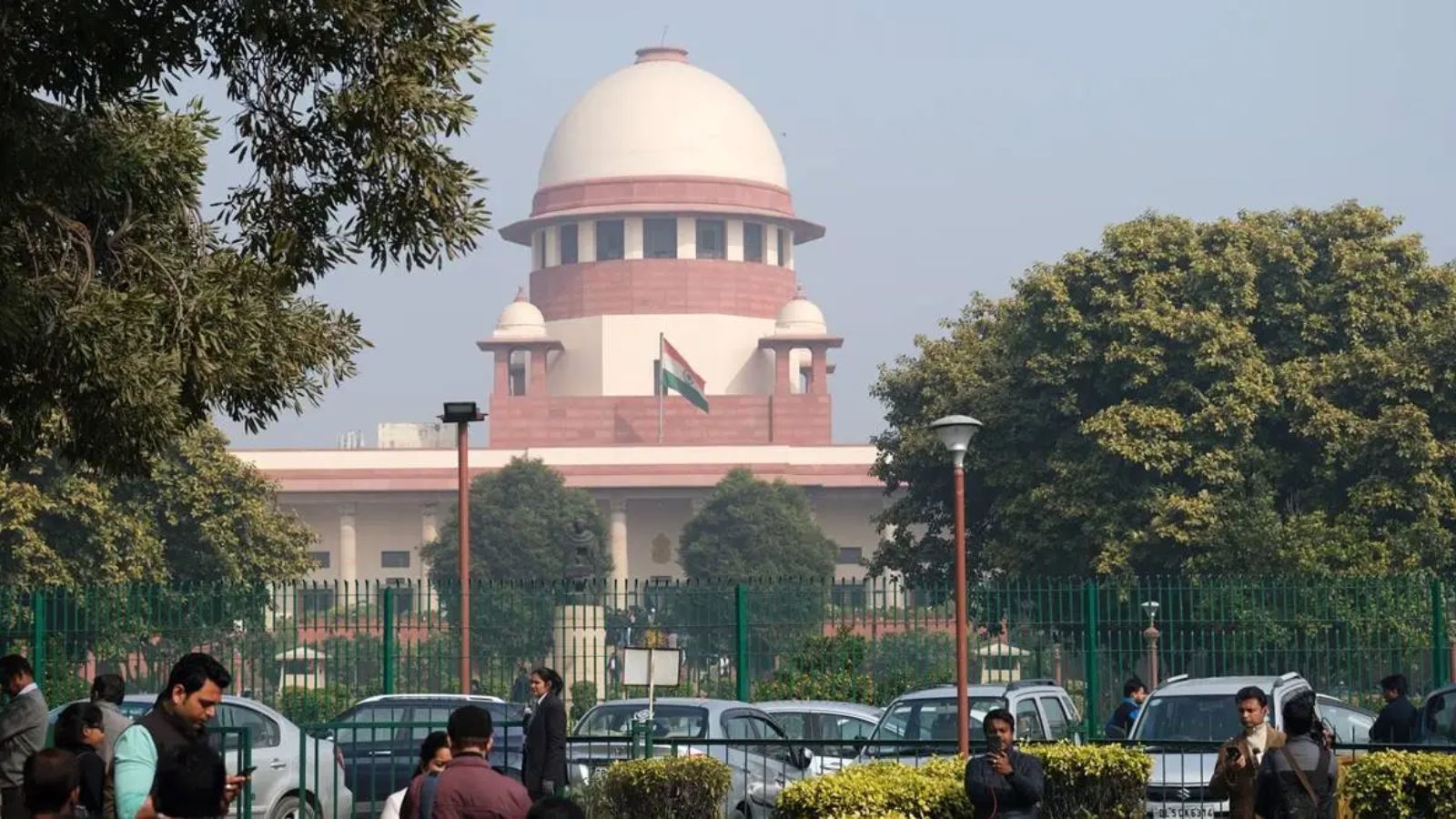
New Delhi – On August 8, 2026, a two‑judge bench dismissed the sole remaining appeal in the long‑standing Bofors scandal, effectively closing the legal chapter that began in the 1980s. The ruling follows the 2018 dismissal of the CBI’s petition by a former chief justice.
Key Takeaways
- Supreme Court has dismissed the last pending appeal in the Bofors cases.
- The appeal was filed by Advocate Ajay K. Agrawal on September 19, 2005.
- A 2018 bench led by former CJI Ranjan Gogoi had already rejected the CBI’s petition.
New Delhi – On Thursday, August 8, 2026, Justices J. B. Pardiwala and K. Vinod Chandran struck down the lone appeal lodged by Advocate Ajay K. Agrawal in 2005, sealing the fate of the Bofors scandal. The decision does not overturn the Delhi High Court’s 31 May 2004 judgment that cleared the Hinduja brothers and Swedish arms maker AB Bofors.
The bench queried, "All proceedings were quashed. What is this? How many years have passed?" This remark echoed the sentiment expressed seven years earlier when a three‑judge bench, headed by then‑Chief Justice Ranjan Gogoi, dismissed the CBI’s plea on November 2, 2018.
Historical Background
The Bofors controversy erupted in the 1980s after the Indian defence ministry signed a $1.3 billion contract with Sweden’s AB Bofors for artillery guns. Allegations of kickbacks and illicit payments later engulfed senior officials, leading to a protracted legal saga that spanned decades. Though many accused were eventually acquitted, the case remained a symbol of alleged corruption in Indian politics.
Why This Matters
BozokMedia analysis shows that this final judgment marks a pivotal moment for the credibility of India’s judiciary and its resolve to close long‑running corruption cases. It not only ends two decades of litigation but also sets a precedent for swifter resolution of similar high‑profile disputes.
"The closure of the Bofors cases underscores the endurance of legal processes in delivering eventual accountability," says legal analyst Arnav Singh.
Frequently Asked Questions
Question 1: Will this decision lead to any compensation for the parties involved?
Answer: The ruling merely terminates pending legal actions; it does not address monetary compensation or penalties.
Question 2: Can new appeals be filed against this judgment?
Answer: With all pending appeals dismissed, filing a fresh petition would be exceptionally challenging under current law.


