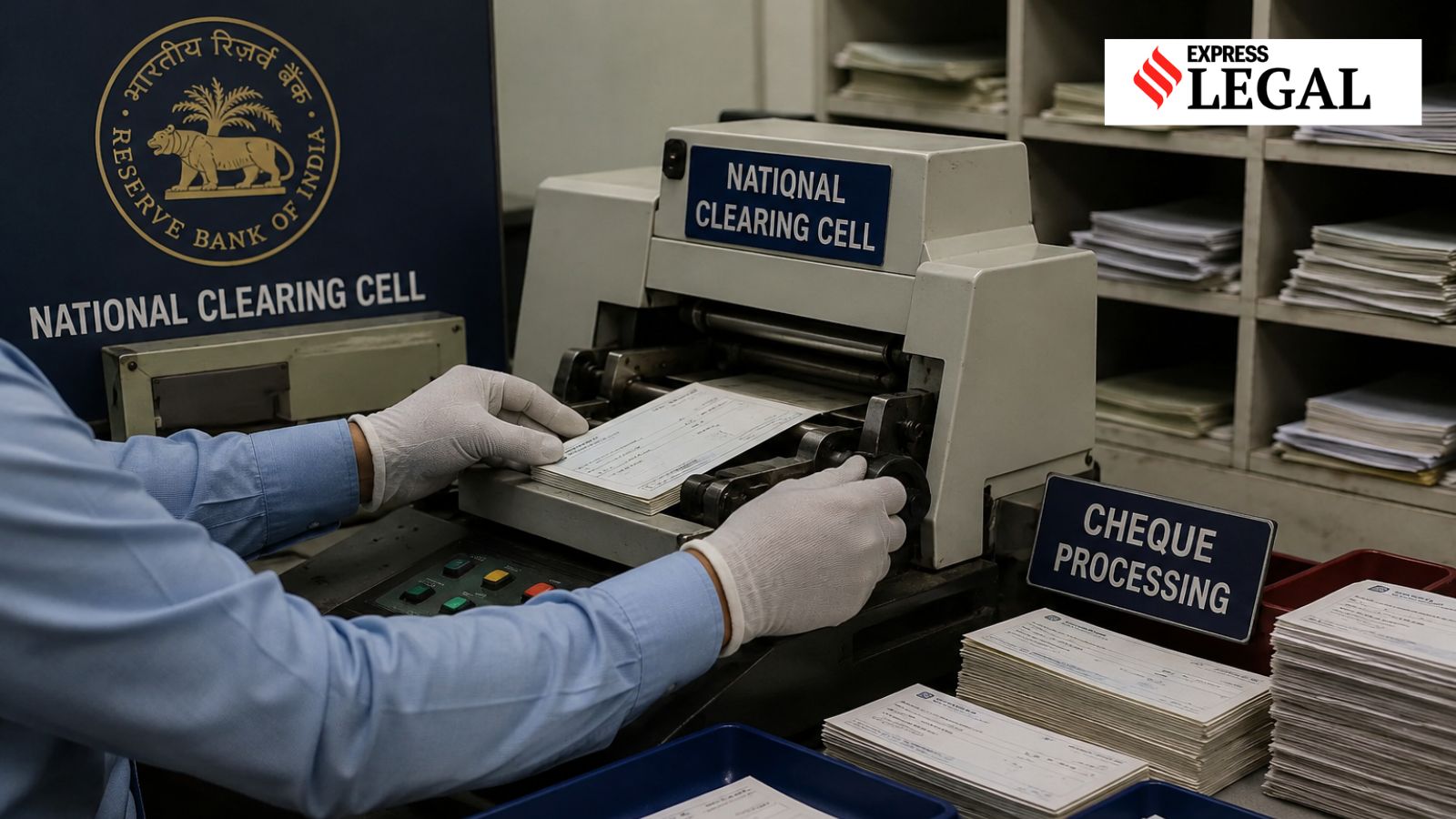
The Bombay High Court has ruled that acquittal in a criminal case does not automatically invalidate disciplinary action taken via a departmental inquiry. The court rejected a former RBI employee's plea for reinstatement despite being cleared of fraud charges.
Key Takeaways
- Criminal acquittal does not automatically nullify penalties from independent departmental inquiries.
- The employee was dismissed in 2001 based on internal misconduct findings, not just the FIR.
- The court emphasized that departmental proceedings have a different evidentiary standard than criminal trials.
The Bombay High Court has dismissed a petition filed by a former Reserve Bank of India (RBI) employee seeking reinstatement after being acquitted in a criminal cheque fraud case. Justices R I Chagla and Farhan P Dubash observed that an order of acquittal in criminal proceedings does not automatically entitle an employee to be reinstated if the disciplinary action was based on evidence independently adduced during a departmental inquiry.
The petitioner, who joined as a machine operator in the National Clearing Cell in 1987, was accused of conspiring with colleagues to tamper with cheques and defraud banks. While the CBI registered an FIR and pursued a criminal case, the RBI simultaneously conducted a full-fledged disciplinary inquiry. Following this internal process, the employee was dismissed from service on August 30, 2001.
Why This Matters
BozokMedia analysis shows that this ruling reinforces the distinction between criminal liability and administrative misconduct. In criminal law, the burden of proof is 'beyond a reasonable doubt,' whereas departmental inquiries operate on the 'preponderance of probabilities.' This allows organizations to maintain strict ethical standards regardless of the outcome of a lengthy criminal trial.
"The legal position is well settled that acquittal in a criminal case does not, by itself, render invalid a penalty imposed pursuant to an independent departmental inquiry."
The court noted that the employee had actively participated in the disciplinary proceedings and had repeatedly acknowledged the misconduct while seeking leniency. Senior Advocate S U Kamdar, representing the RBI, argued that the dismissal was a result of the 2001 inquiry and not the subsequent criminal trial, meaning the 2015 acquittal conferred no right to reinstatement.
Frequently Asked Questions
Q1: Does an acquittal in court guarantee a job return?
Answer: No, not if the employer conducted a separate departmental inquiry and found the employee guilty of misconduct based on internal evidence.
Q2: What was the core reason for the court's refusal in this case?
Answer: The court found that the dismissal was based on a full inquiry where the employee admitted to the misconduct, making the criminal acquittal irrelevant to the employment status.