The Supreme Court has directed the Election Commission of India to provide data on the disposal of appeals regarding the Special Intensive Revision (SIR) in West Bengal, while refusing to set a mandatory deadline for resolutions.
Key Takeaways
- The SC has asked the Election Commission of India (ECI) to furnish the quantum of appeals decided by tribunals.
- The court refused to fix a specific timeline for the disposal of SIR-related appeals.
- Congress leader Adhir Ranjan Chowdhury alleged that less than 1% of appeals have been decided.
- The court directed the petitioner to approach the Calcutta High Court regarding the denial of ration benefits.
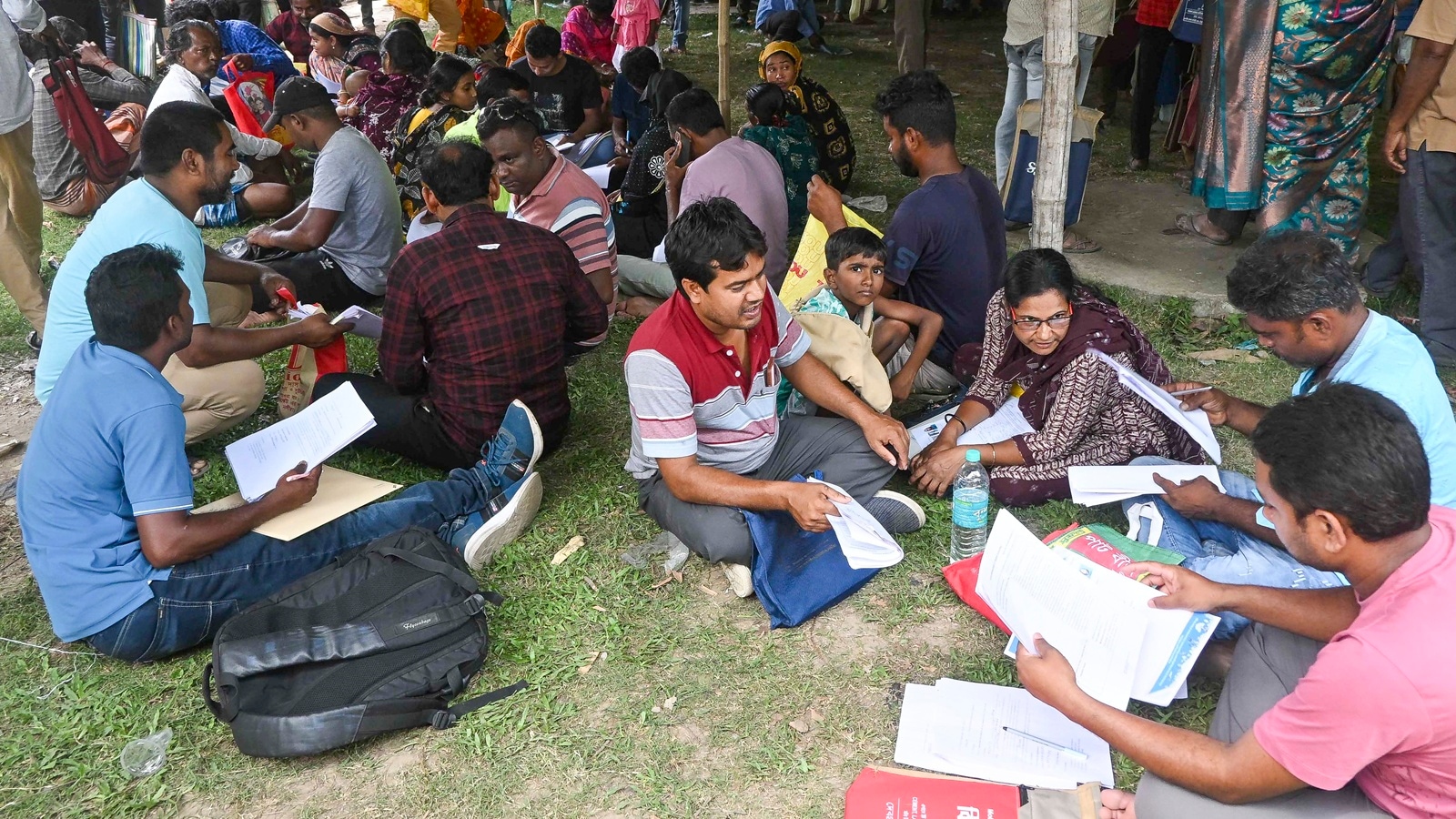
New Delhi: A three-judge bench of the Supreme Court, presided over by Chief Justice of India Surya Kant, has intervened in the ongoing controversy surrounding the Special Intensive Revision (SIR) in West Bengal. The court has sought comprehensive data from the Election Commission of India (ECI) regarding the performance of the appellate tribunals formed to hear grievances of voters whose names were deleted from the rolls.
The legal battle was initiated by Congress leader Adhir Ranjan Chowdhury, who sought an expeditious disposal of appeals and the publication of proceedings on a digital platform. Senior advocate Rauf Rahim argued that the current pace of disposal is abysmal, claiming that not even 1% of the pending appeals have been resolved.
Why This Matters
BozokMedia analysis shows that the court's focus has shifted from the legal validity of the tribunals to their actual operational efficiency. By demanding 'quantum of disposal' rather than just process reports, the SC is signaling that the right to vote cannot be held hostage by administrative inertia. This creates a precedent where the effectiveness of a judicial body is measured by its output, not its existence.
The mere filing of an appeal does not satisfy a litigant; the essence of due process lies in the timely delivery of a judicial outcome.
Justice Bagchi emphasized that if the data reveals poor performance, the court may request the ECI to "revisit and restructure the architecture of disposal." The bench suggested integrating online access for judges and digitizing cause lists to ensure transparency and accessibility for citizens in remote districts like Murshidabad and Malda.
Addressing the plea to stop the state government from denying ration benefits to those whose appeals are pending, the Supreme Court maintained that this constitutes a separate cause of action. Consequently, the bench advised the petitioner to seek relief from the Calcutta High Court for the restoration of social benefits.
Frequently Asked Questions
Q1: What did the Supreme Court ask the ECI to provide?
A: The court asked for specific data on the number of appeals already decided by the tribunals in West Bengal.
Q2: Will the tribunals now have a fixed deadline to clear cases?
A: No, the Supreme Court explicitly stated that it cannot fix a specific timeline for the disposal of these appeals.