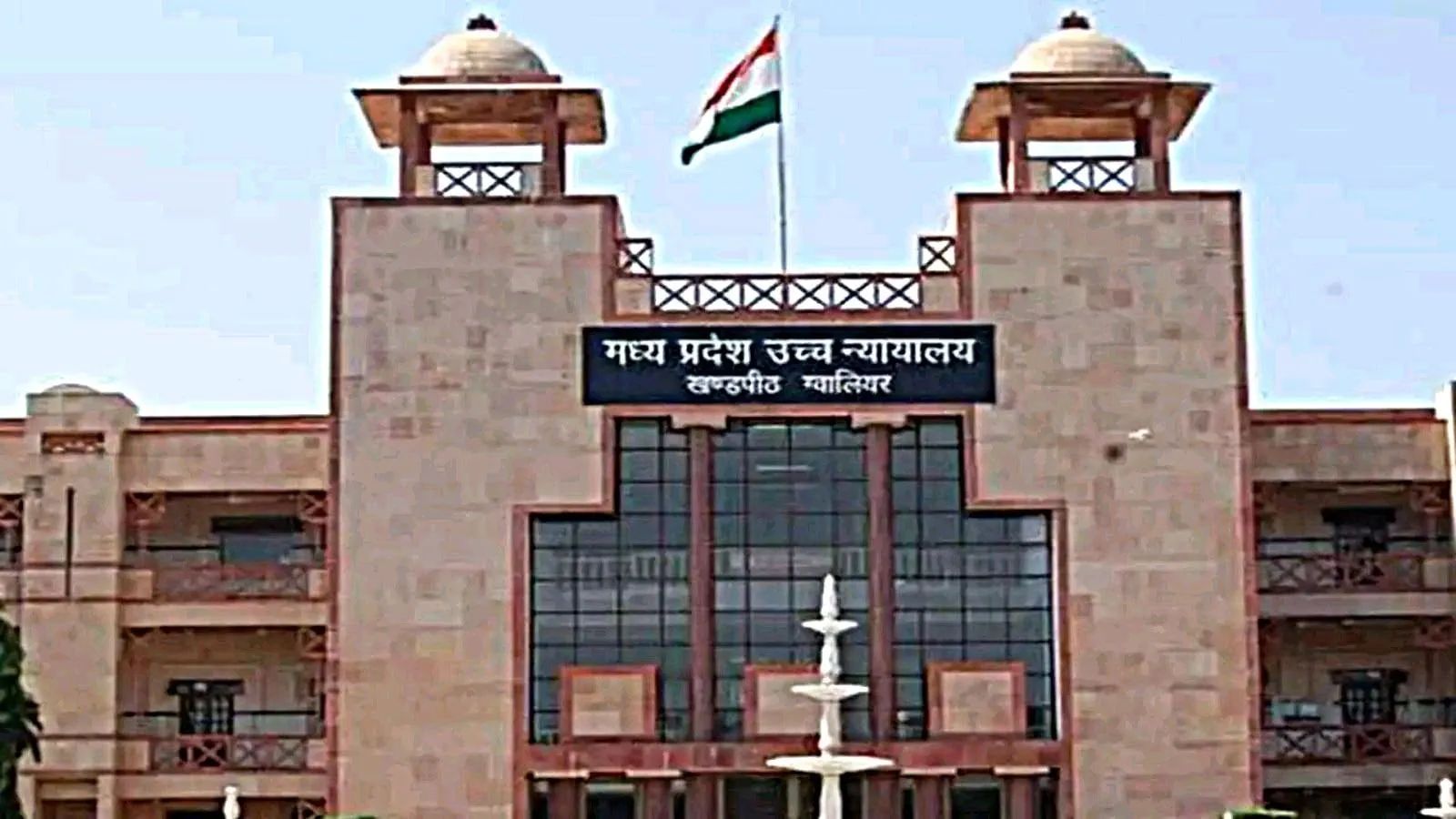
The Madhya Pradesh High Court has overturned the convictions of eight individuals in a decades-old 1998 teacher recruitment case, citing a lack of evidence and hostile witnesses. The court distinguished between administrative lapses and criminal corruption.
Key Takeaways
- The MP High Court set aside the convictions of eight individuals in the 1998 Sanwer Janpad Panchayat recruitment case.
- The court ruled that the prosecution failed to distinguish between administrative misconduct and criminal offenses.
- Key witnesses and complainants turned hostile during the trial, weakening the prosecution's foundation.
- No evidence of bribery or financial gain was presented to prove corruption under the Prevention of Corruption Act.
In a significant legal development, the Madhya Pradesh High Court has set aside the convictions of eight individuals involved in a 1998 teacher recruitment 'scam'. Justice Jai Kumar Pillai observed that the prosecution's case was riddled with missing links and relied on highly suspicious grounds, especially as key witnesses turned hostile during the trial.
The case originated from the recruitment of 207 Grade-III teachers in the Sanwer Janpad Panchayat in 1998. The prosecution had alleged that members of the selection committee engaged in nepotism by awarding higher marks to their relatives. The appellants had previously been sentenced to two years of rigorous imprisonment by a special judge.
Why This Matters: Administrative Error vs. Criminal Intent
BozokMedia analysis shows that this judgment highlights a critical legal nuance: the distinction between departmental misconduct and criminal corruption. The High Court noted that while favoring a relative might be an administrative fault punishable under the Panchayat Act, it does not automatically constitute a crime under the Prevention of Corruption Act unless dishonest intention and bribery are proven.
"The prosecution cannot bridge the gap between administrative favoritism and criminal corruption without concrete evidence of financial gain."
The court further criticized the reliance on unverified photocopies of voter lists and family registers, noting that the Tehsildar could not verify them in the absence of original documents. This procedural lapse, combined with the fact that most complainants disowned their original statements, rendered the entire case unsustainable.
Historical Background
The litigation has spanned nearly three decades, stemming from the 1998 recruitment drive where 207 candidates were selected out of nearly 1,800 interviewees. The investigation by the Lokayukta’s Special Police Establishment triggered a long legal battle that only reached its conclusion with this decisive High Court ruling in 2024/2026.
| Aspect | Trial Court Perspective | High Court Ruling |
|---|---|---|
| Nature of Act | Criminal Corruption | Administrative Misconduct |
| Evidence Quality | Voter lists/Family registers | Unverified photocopies only |
| Witness Status | Complainants active | Main witnesses turned hostile |
Frequently Asked Questions
1. Why did the High Court overturn the 2010 judgment?
The court found the evidence insufficient, the witnesses unreliable, and the prosecution unable to prove any bribery or dishonest intent.
2. Can favoritism in recruitment lead to punishment?
Yes, but it usually results in departmental action or removal from post rather than criminal imprisonment, unless money is involved.