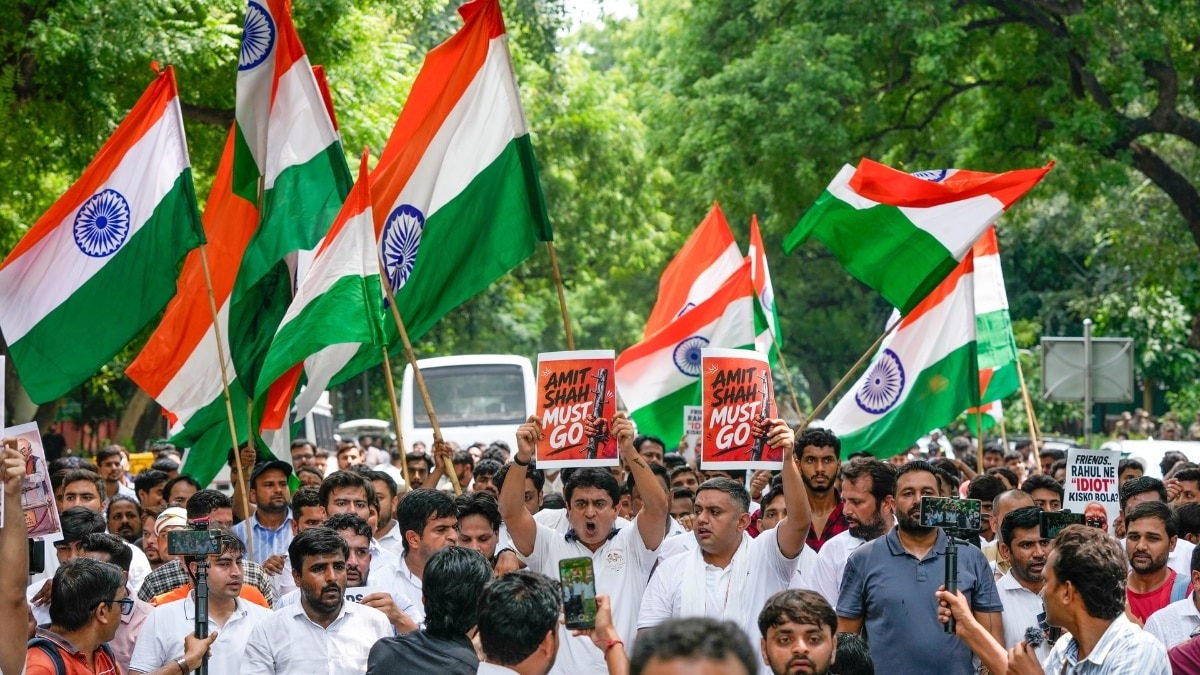
A Mumbai-based social media influencer has moved the Indore police to investigate the alleged involvement of minors in the CJP-led NEET paper leak protests in Delhi.
Key Takeaways
- Mumbai influencer Faizan Ansari has filed a formal complaint with Indore police.
- The complaint alleges the presence of minors during the CJP-led protest in Delhi regarding the NEET leak.
- Key CJP leaders are being scrutinized for potentially facilitating minor participation.
- Police are currently reviewing digital evidence, including CCTV and social media footage.
In a significant legal development, a resident of Mumbai claiming to be a social media influencer has approached the Indore police to seek a thorough probe into the alleged participation of minors in recent student protests. The complaint focuses on the demonstrations led by the Cockroach Janta Party (CJP) in New Delhi, which were organized to protest the NEET paper leak scandal.
The complainant, Faizan Ansari, has specifically named CJP founder Abhijeet Dipke and chief spokesperson Saurav Das, requesting an inquiry into whether they facilitated the involvement of minor boys and girls in the agitation. Ansari has urged the authorities to scrutinize a wide array of evidence, including protest videos, media interviews, social media content, and CCTV footage from the protest site.
Why This Matters
BozokMedia analysis shows that this case transcends simple protest politics; it touches upon the stringent legal frameworks surrounding child protection in India. If the investigation finds evidence of violations under the POCSO Act or the Juvenile Justice Act, it could lead to severe legal repercussions for organizers of public demonstrations.
The legal intersection of political activism and child protection laws creates a high-stakes environment for organizers of mass movements.
Additional Deputy Commissioner of Police Rajesh Dandotiya confirmed that the complaint is under active investigation. The complainant has demanded that if any cognizable offense is discovered under the Bharatiya Nyaya Sanhita or the Information Technology Act, an FIR should be registered immediately against the responsible parties.
Historical Background
The protests in question were part of a massive 36-day movement at Jantar Mantar, Delhi, triggered by the NEET examination controversy. The agitation was intense, leading to clashes with the Delhi police and ultimately resulting in the resignation of the then Union Education Minister, Dharmendra Pradhan. The movement concluded only after the government accepted several key demands.
Frequently Asked Questions
1. What specific laws are mentioned in the complaint?
The complaint cites the POCSO Act, the Bharatiya Nyaya Sanhita, the IT Act, and the Juvenile Justice Act.
2. Who is being investigated in this matter?
The investigation is looking into the leadership of the CJP to see if they encouraged minors to join the protest.