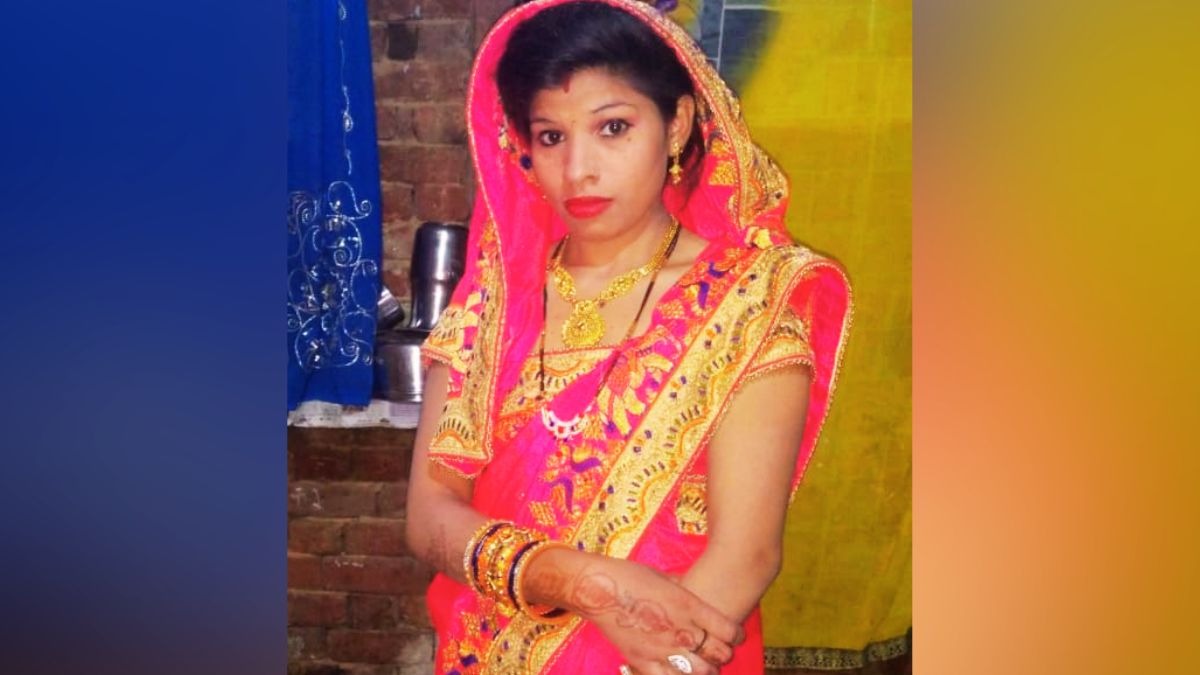
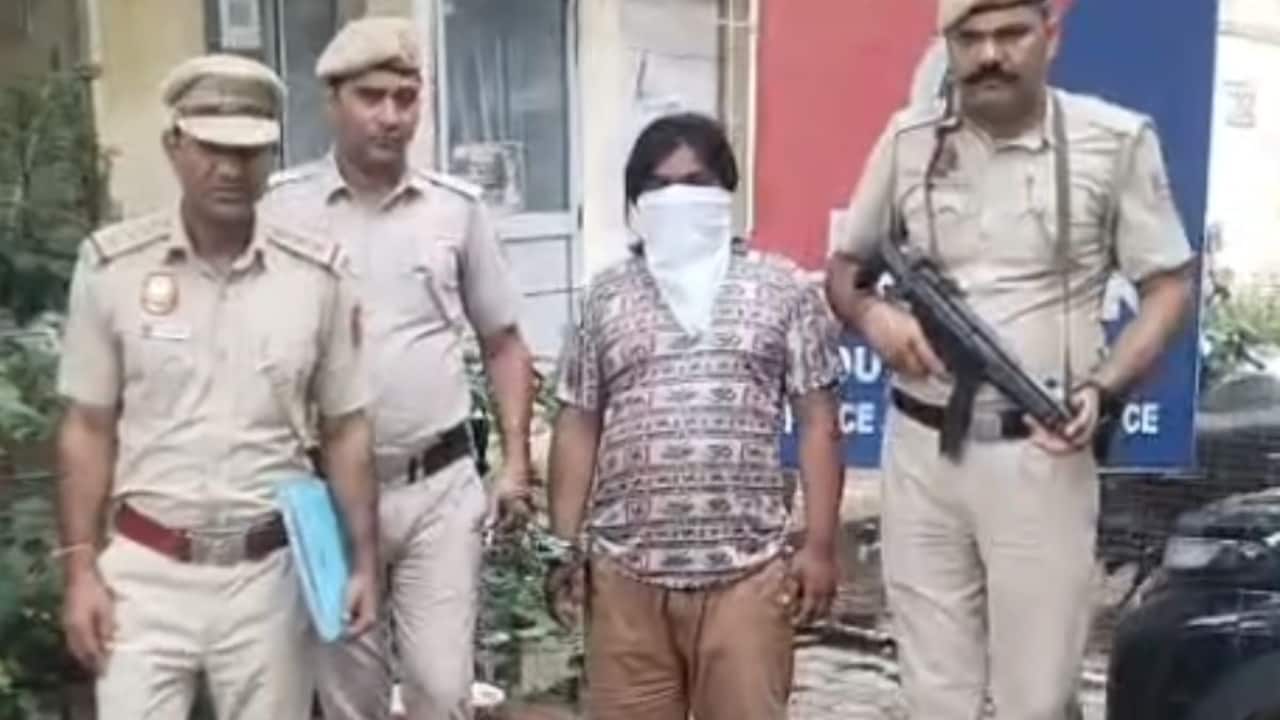
A photographer in Andhra Pradesh's Krishna district has been apprehended for allegedly creating a fraudulent social media profile to harass a woman and send obscene messages.
Key Takeaways
- Accused photographer D. Ramakrishna was arrested by Vuyyuru police.
- The suspect created a fake social media profile using a woman's identity.
- The accused used the fake account to send obscene messages to various individuals.
In a significant crackdown on cybercrime, the Vuyyuru police have arrested a photographer, identified as D. Ramakrishna, for allegedly harassing a woman by impersonating her on social media. The arrest took place in the Krishna district of Andhra Pradesh following a detailed investigation into digital harassment.
According to V. Vidyasagar Naidu, the Superintendent of Police (SP) for Krishna district, the accused had meticulously created a fake account under the complainant's name. This profile was then used as a tool to send obscene and inappropriate messages to others, causing immense distress to the victim. The operation was carried out by the Vuyyuru Circle Inspector T.V.V. Ramarao and the specialized cybercrime police unit.
Why This Matters
BozokMedia analysis shows that identity theft and cyber-impersonation are escalating threats in the digital landscape. Such crimes are designed to destroy a victim's social reputation and cause psychological harm. This arrest highlights the increasing capability of local law enforcement to track digital footprints and hold perpetrators accountable.
Identity theft on social media is a direct violation of personal dignity and requires immediate legal intervention to prevent long-term social damage.
The SP has issued a stern warning, stating that the police will take uncompromising action against anyone attempting to humiliate or harass women and children through digital platforms. Ramakrishna was taken into custody on Wednesday, August 12, 2026.
Historical Background
The rise of social media has been accompanied by a surge in 'cyber-stalking' and 'impersonation' cases globally. Indian law enforcement agencies have increasingly relied on the Information Technology (IT) Act to prosecute individuals who misuse digital identities to commit harassment or defamation.
Frequently Asked Questions
1. What was the specific charge against the photographer?
He was charged with creating a fake social media account in a woman's name to send obscene messages and harass her.
2. Which police department handled the arrest?
The Vuyyuru Circle Inspector's team and the cybercrime police conducted the arrest.