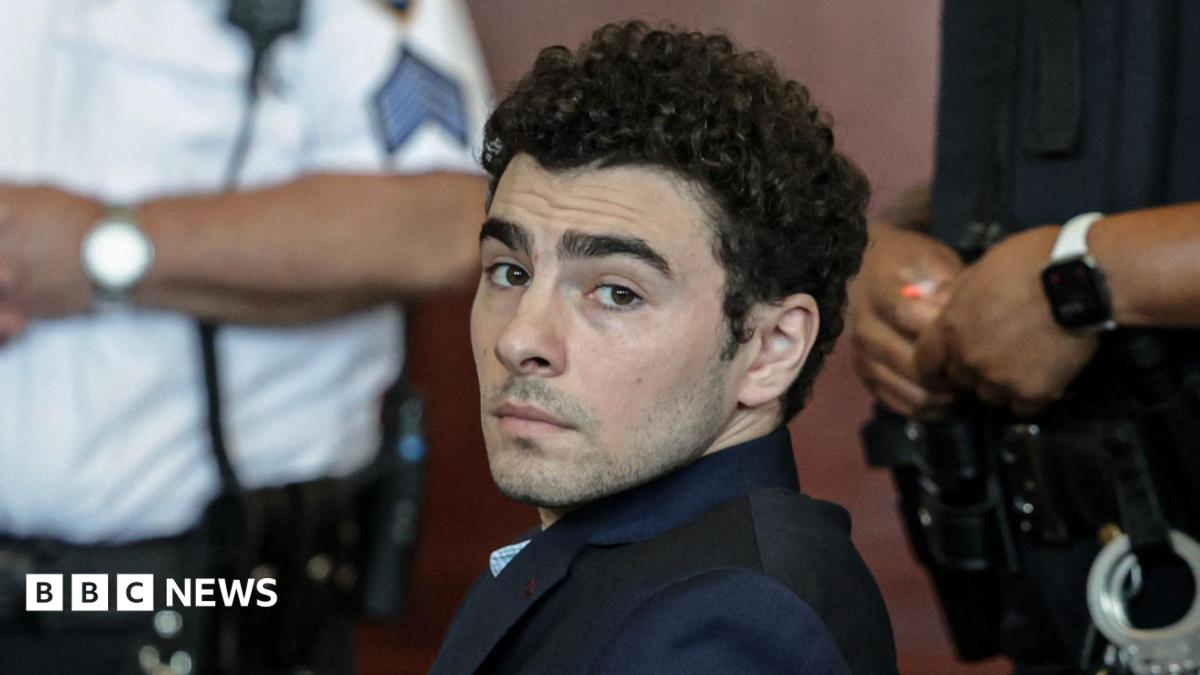
Luigi Mangione has officially pleaded guilty to federal charges in the fatal shooting of UnitedHealthcare CEO Brian Thompson. The 28-year-old admitted to the premeditated attack, citing grievances with the healthcare system.
Key Takeaways
- Luigi Mangione admitted to shooting Brian Thompson in Manhattan.
- The suspect used a 3D-printed firearm equipped with a silencer.
- Mangione cited personal medical struggles and healthcare system frustrations as motivation.
- He faces a maximum sentence of life in prison.
In a dramatic courtroom appearance on Friday, Luigi Mangione admitted to the killing of UnitedHealthcare CEO Brian Thompson. Pleading guilty to federal charges of interstate stalking resulting in death, the 28-year-old made a chilling confession in a Manhattan federal court: "I shot Mr. Thompson in Manhattan and he died."
The incident occurred on December 4, 2024, when Thompson, a 50-year-old father of two, was shot from behind while entering a hotel in midtown Manhattan. Mangione detailed his meticulous planning, revealing that he used a 3D-printed gun modified with a silencer. To facilitate the crime, he even posed as an investor via email to gather intelligence on Thompson's schedule during an annual investor conference.
Why This Matters
BozokMedia analysis shows that this case transcends a simple criminal act; it highlights a growing intersection between extreme personal grievance and the accessibility of untraceable technology. Mangione's stated motive—retaliation for his own medical suffering—adds a layer of social commentary regarding the public's perception of the American healthcare industry.
The use of 3D-printed weaponry in a high-profile assassination marks a significant and terrifying evolution in modern criminal tactics.
While prosecutors have recommended a sentence of 24 to 30 years, Judge Margaret Garnett noted that Mangione could face life in prison without the possibility of parole. A legal battle is also brewing regarding state-level charges, as Mangione's defense team argues that further prosecution would violate the constitutional protection against double jeopardy.
Frequently Asked Questions
1. What was Mangione's motive for the shooting?
Mangione claimed he was driven by his experiences with the healthcare system and chronic pain resulting from a broken back.
2. Can Mangione be released on parole?
No, there is no parole in the federal prison system.
