A major corruption scandal has emerged in Chhattisgarh, where an IPS officer is accused of accepting bribes to suppress a massive cyber-fraud investigation. The state DGP has submitted a formal report to a Delhi court.
Key Takeaways
- IPS officer Rahul Bansal faces allegations of demanding ₹1.5 crore in bribes.
- The probe began with a ₹21.15 lakh fraud but uncovered a ₹1,880 crore crypto-linked network.
- Chhattisgarh DGP Arun Dev Gautam submitted a report to the Delhi CBI court.
- The syndicate involves international money laundering via Dubai and China.
The Chhattisgarh Director General of Police (DGP), Arun Dev Gautam, has submitted a comprehensive report to a Delhi court regarding allegations against IPS officer Rahul Bansal. Bansal, a 2022-batch officer, is accused of accepting bribes to stall a multi-crore cyber-fraud investigation. While the officer has vehemently denied all charges, the CBI court is continuing its proceedings.
The controversy traces back to a ₹21.15 lakh cyber fraud case reported at the Ambikapur Cyber Police Station. A victim alleged that 84 fraudulent transactions were conducted through fake trading platforms. During the investigation, allegations surfaced that the IPS officer and two others demanded a bribe of ₹1.5 crore to halt the probe, of which ₹1 crore was allegedly paid.
Why This Matters
BozokMedia analysis shows that this case is a symptom of a much larger, sophisticated criminal infrastructure. It highlights the intersection of systemic corruption within law enforcement and the rise of high-tech, international cyber-syndicates that use fintech tools to bypass traditional banking oversight.
"The fraud was a sophisticated, multi-state, internationally operated organised cyber-fraud syndicate." — Sarguja Range IGP Deepak Kumar Jha.
The scale of the underlying crime is staggering. Investigators revealed that 38 fake trading portals were used to defraud nearly 19,340 users. Analysis of just two platforms showed cryptocurrency-linked transactions exceeding ₹1,880 crore within just four months. The network utilized 'dabba trading' and complex fintech money-laundering techniques to move funds globally.
Historical Background: The Evolution of Cyber Fraud
Cybercrime in India has evolved from simple phishing to highly organized 'fintech laundering.' Criminals now use mule accounts, virtual IDs, and cryptocurrency to move money through hawala networks, often settling balances with international vendors in countries like China and the UAE.
| Feature | Traditional Fraud | Modern Cyber Syndicate |
|---|---|---|
| Method | Direct theft/Phishing | Fake Trading Portals & Fintech Apps |
| Money Movement | Local Bank Transfers | Crypto, Hawala & International Gateways |
| Scale | Localized/Small scale | Multi-state/International |
Frequently Asked Questions
1. What is the defense of IPS officer Rahul Bansal?
Bansal has called the allegations 'baseless' and expressed full faith in the judicial process.
2. How many people have been arrested so far?
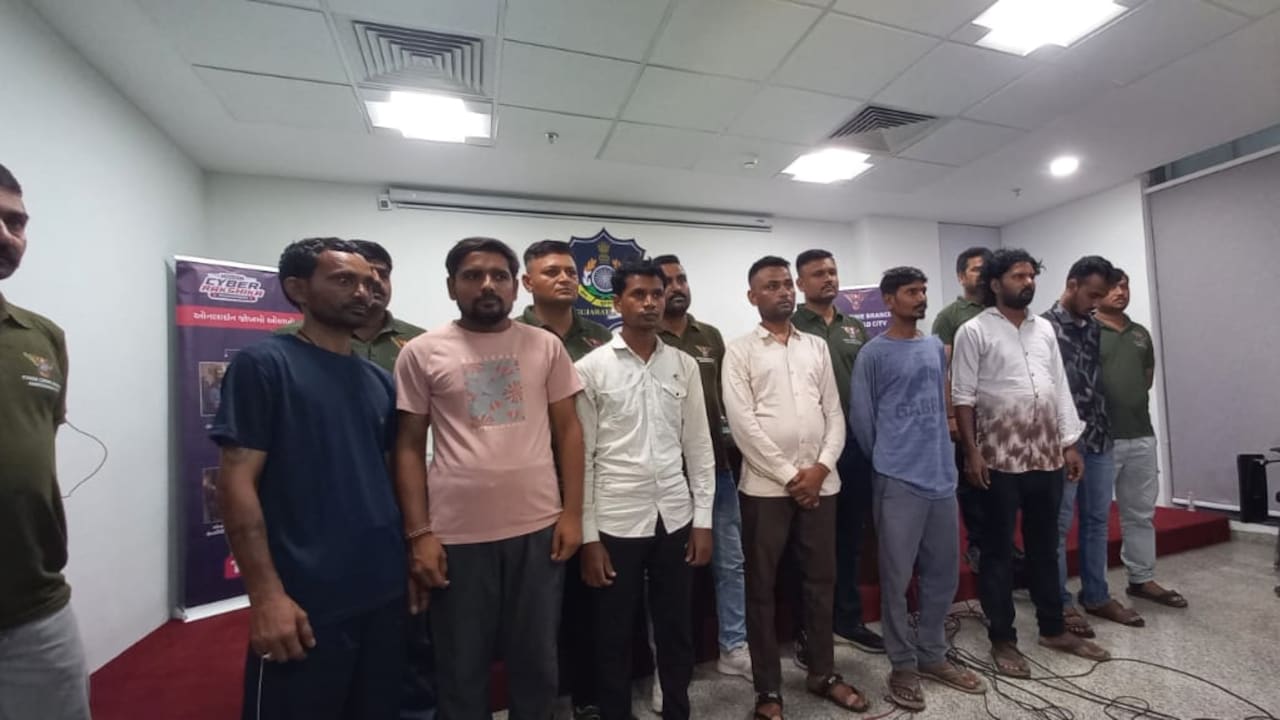
The investigation has led to the arrest of 23 individuals across eight different states.