The Jharkhand High Court has upheld the conviction of a man who drove his wife to suicide in 1998 through chronic alcoholism and physical abuse, ruling that his conduct made her life a 'curse'.
- Jharkhand HC upheld a 28-year-old conviction for abetment of suicide.
- Court ruled that alcoholism and daily physical assault drove the victim to end her life.
- The husband is ordered to surrender and serve the remaining sentence within two months.
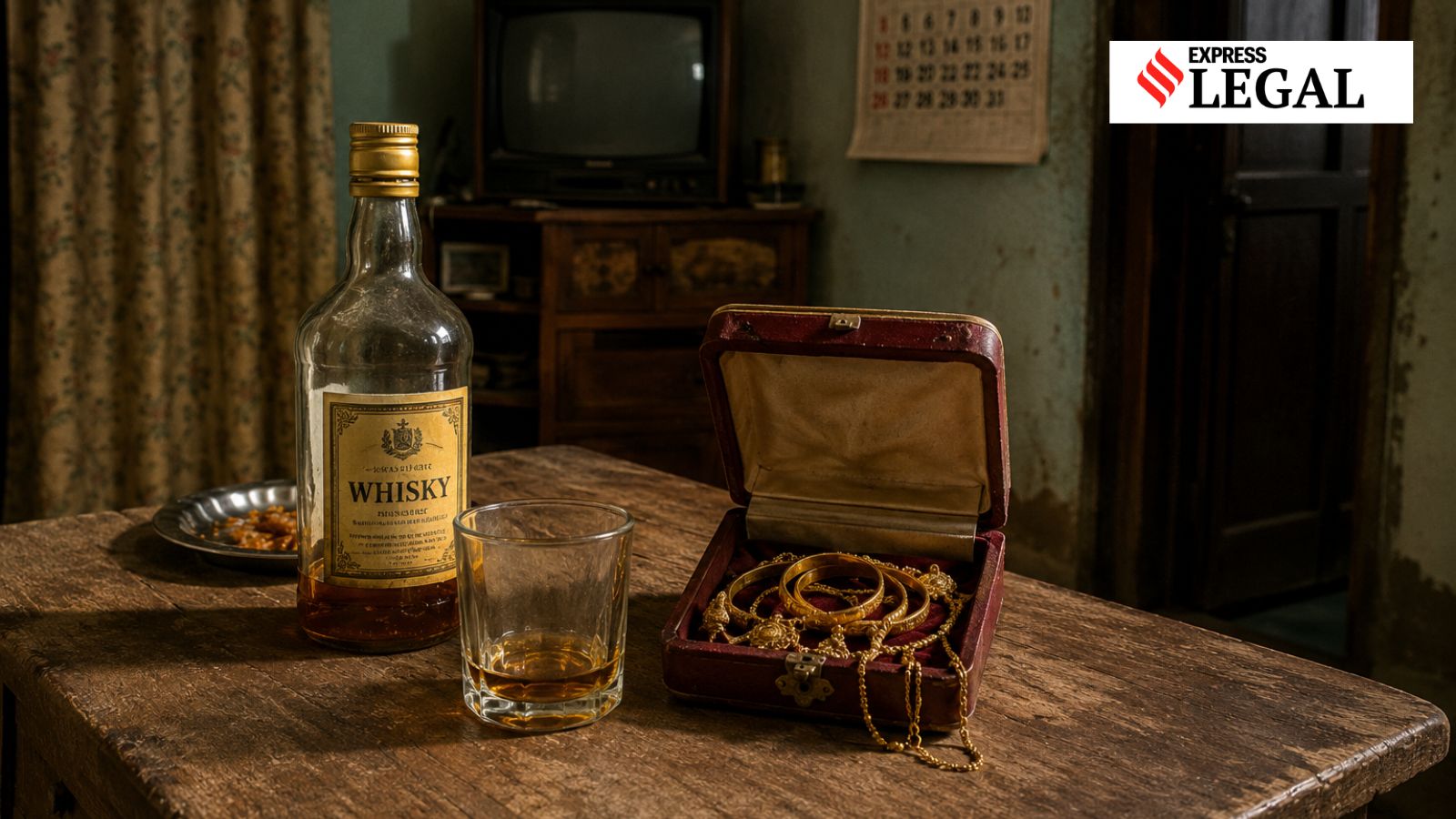
The Jharkhand High Court has delivered a stern judgment upholding the conviction of a man nearly 28 years after his wife committed suicide in 1998. Justice Pradeep Kumar Srivastava observed that the husband's relentless demands for money to fund his drinking habit, the theft of her jewelry, and persistent physical violence had effectively turned the woman's existence into a "curse".
The case dates back to October 10, 1998, when the victim was found dead in a well. The victim's father testified that after their marriage in February 1997, the husband's addiction to alcohol and gambling led to severe domestic turmoil. He alleged that the husband sold the woman's ornaments and subjected her to mental and physical torture when further monetary demands were not met.
Why This Matters
BozokMedia analysis shows that this ruling is pivotal because it expands the judicial understanding of 'cruelty'. While many cases under Section 498A focus strictly on dowry, this verdict emphasizes that behavioral addictions—such as alcoholism—and the resulting systemic abuse are sufficient grounds to establish abetment of suicide, even in the absence of explicit dowry demands.
"Frequent consumption of liquor and day-to-day physical assault meted out to a woman must naturally drive a woman to commit suicide unless she is economically independent."
The defense, led by advocate Alok Anand, argued that there was no evidence of dowry harassment and claimed the death was an accident (falling into a well). They further contended that the trial court relied solely on the testimony of close relatives rather than independent witnesses. However, the High Court dismissed these arguments, noting that the husband's conduct alone was the primary catalyst for the tragedy.
The court highlighted a sociological reality, stating that women are often particularly sensitive to their partners' substance abuse, and without a source of independent income, they become trapped in cycles of violence.
| Party | Core Argument | Court's Finding |
|---|---|---|
| Defense (Husband) | No dowry demand; death was an accident. | Rejected; conduct was cruel. |
| Prosecution | Alcoholism and abuse drove the suicide. | Upheld; conviction sustained. |
Frequently Asked Questions
1. Was the husband convicted for dowry harassment?
While Section 498A was mentioned, the court focused on the overall cruelty, including alcoholism and physical abuse, rather than specific dowry demands.
2. What is the current status of the husband?
The High Court has directed him to surrender to the trial court within two months to serve the remainder of his sentence.
