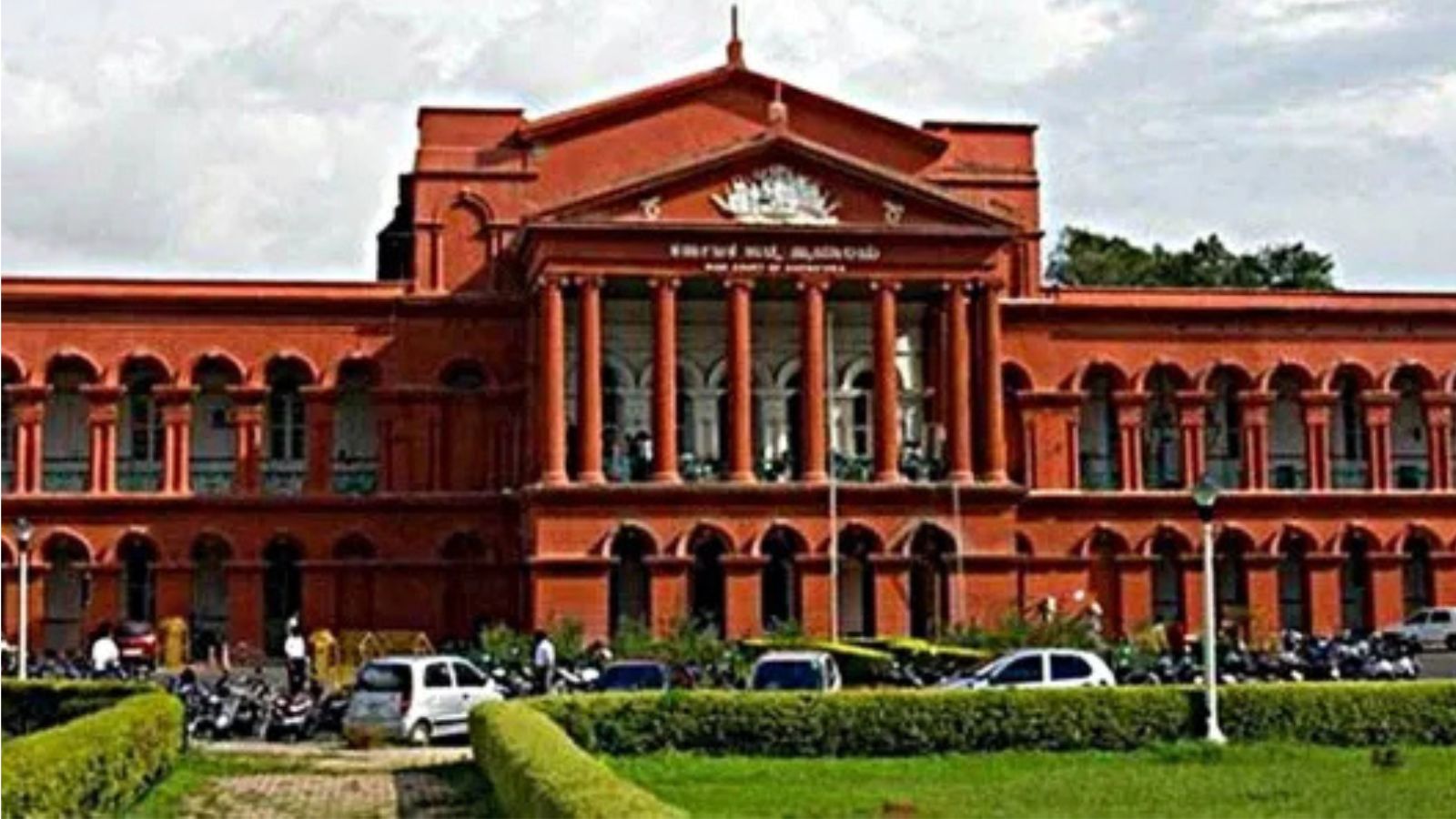
The Karnataka High Court has directed the Central Government to reconsider the duration of short-validity passports issued to citizens with pending criminal cases to align with global visa norms.
- Karnataka High Court suggests extending the duration of short-validity passports (SVPs).
- Current one-year validity often clashes with the 6-month minimum validity required by foreign embassies.
- The court reaffirmed that the right to travel is an integral part of personal liberty under Article 21.
The Karnataka High Court has stepped in to address a critical administrative hurdle faced by Indian citizens embroiled in criminal proceedings. In a recent order, Justice Suraj Govindaraj has asked the Central Government to evaluate whether the duration of short-validity passports (SVPs) can be extended beyond the current one-year limit.
The court noted a surge in writ petitions seeking passport renewals. The primary grievance is that SVPs are typically issued for only one year. However, most foreign nations require a passport to have at least six months of validity remaining to grant a visa. This creates a narrow window for travel, often forcing citizens into a repetitive and grueling cycle of renewals.
Why This Matters
BozokMedia analysis shows that this judicial observation highlights a gap between national security protocols and international travel realities. While the government seeks to ensure that accused individuals do not flee the country, the current one-year limit effectively penalizes the individual's right to livelihood and movement, even when a court has explicitly granted travel permission.
"The right to travel is a fundamental right and it cannot be infringed merely on non-issuance of passport."
The legal battle began with a petition filed by Ajith Ranka, a 53-year-old Bengaluru resident facing charges under Sections 498A (dowry harassment), 341, and 354(B) of the IPC. After his passport expired in 2023, his renewal application was rejected, leading him to approach the High Court. While the court partly allowed his plea, it directed him to provide an undertaking that he would travel only with specific court permission.
During the arguments, Advocate Dhiraj A K cited landmark Supreme Court precedents, including 'Mahesh Kumar Agarwal Vs Union of India (2025)' and the historic 'Maneka Gandhi Vs Union of India (1978)' case. These judgments establish that the right to hold a passport and travel abroad are essential facets of the right to personal liberty guaranteed under Article 21 of the Constitution.
Historically, the Indian government has maintained a strict stance on passport issuance for those with pending criminal cases to prevent the evasion of justice. However, the judiciary is increasingly leaning towards a balanced approach—ensuring the legal process is followed without completely stripping a citizen of their fundamental rights.
Frequently Asked Questions
Q1: What is a Short-Validity Passport (SVP)?
An SVP is a passport issued for a limited period (usually one year) to individuals facing criminal charges, provided they have obtained permission from the concerned court to travel abroad.
Because most foreign embassies require at least six months of passport validity for visa processing, making a one-year passport practically inefficient for international travel.