The Karnataka High Court has set aside the suspension of KPSC Chairman Shivashankarappa S Sahukar, ruling that the Governor acted without mandatory Cabinet advice. The court ordered his immediate reinstatement.
- The Karnataka High Court has nullified the suspension of KPSC Chairman Shivashankarappa S Sahukar.
- The bench ruled that the Governor failed to seek mandatory 'aid and advice' from the Council of Ministers.
- The Chairman is ordered to be reinstated within 7 days with full monetary benefits.
- The court prohibited Sahukar from interfering in matters regarding his daughters' selection.
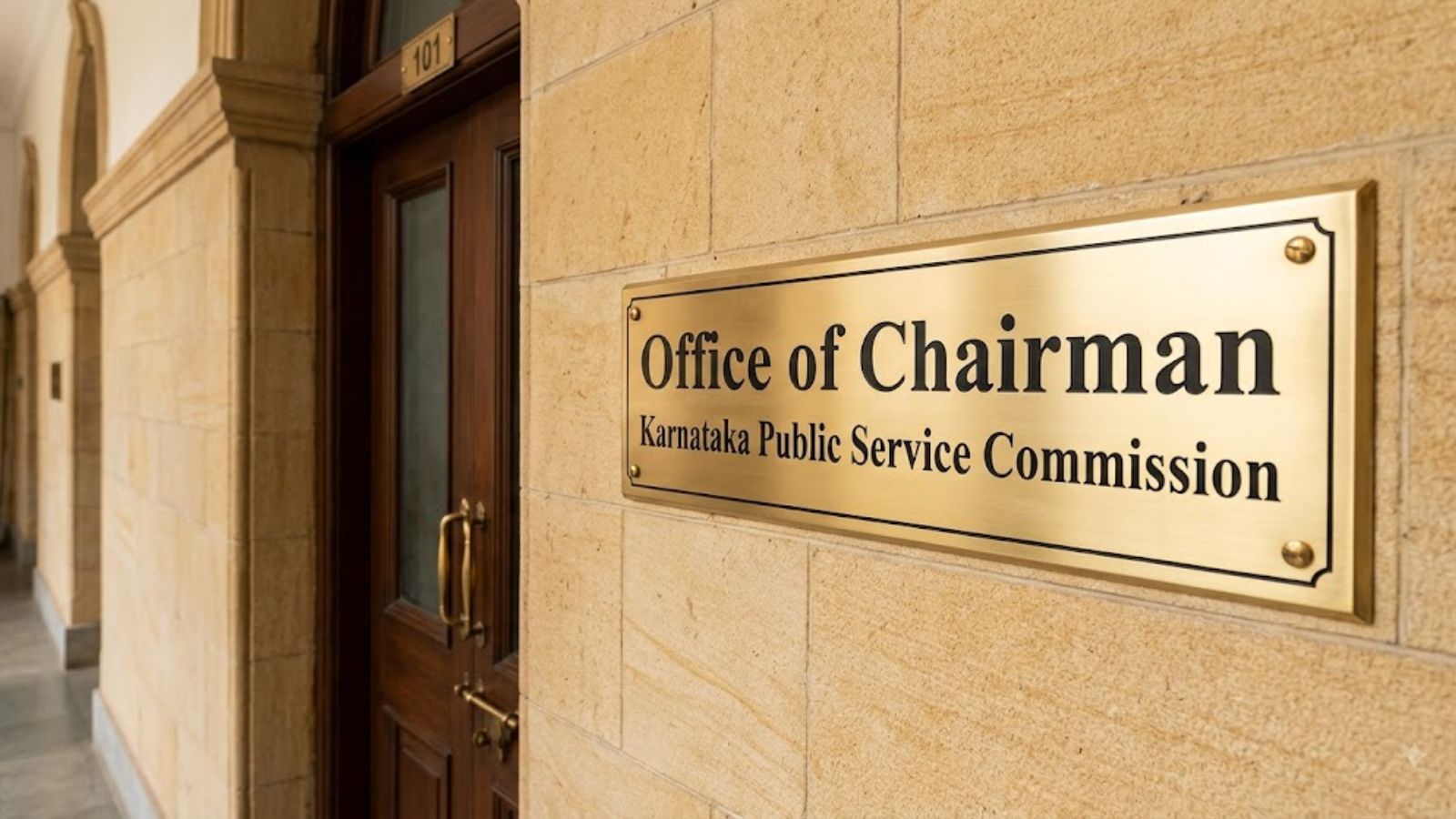
Bengaluru: In a landmark ruling on Tuesday, the Karnataka High Court quashed the suspension of Shivashankarappa S Sahukar, the Chairman of the Karnataka Public Service Commission (KPSC). A division bench headed by Justice Suraj Govindaraj observed that the suspension order issued by Governor Thaawarchand Gehlot was constitutionally invalid because it lacked the mandatory aid and advice from the state's Council of Ministers.
Constitutional Breach and Legal Arguments
Sahukar was suspended on July 10 following allegations of conflict of interest regarding the selection of his daughters for government positions. However, senior advocate Arun Shyam, representing the petitioner, argued that under Article 317 (1) and (2) of the Constitution, the removal or suspension of a commission chairman requires a formal inquiry by the Supreme Court and presidential action.
The defense emphasized that the Governor's order was an isolated action taken without consulting the state government. Even though the government provided approval on July 18, the court noted that ex post facto approval cannot substitute for the mandatory prior advice required by law. Consequently, the court directed the authorities to reinstate Sahukar within seven days, ensuring he receives all backdated monetary benefits.
Why This Matters
BozokMedia analysis shows that this judgment reinforces the principle of parliamentary democracy, ensuring that the Governor's office operates within the bounds of the Council of Ministers' advisory role. It serves as a critical check against unilateral executive actions that bypass established constitutional protocols, particularly concerning the tenure and stability of constitutional heads.
The sanctity of constitutional posts relies on following the prescribed legal procedure; bypassing the Council of Ministers undermines the very essence of the state executive.
The Core Allegations
The suspension was initially triggered by complaints alleging that Sahukar facilitated the illegal selection of his daughters as industrial extension officers. It was claimed that they manipulated income declarations—stating an annual family income of just ₹40,000—to avail of OBC reservation benefits, despite the Chairman's own income being approximately ₹25 lakh. While the court cleared his position, it has restrained Sahukar from taking any action or influencing any proceedings related to his daughters' cases.
Frequently Asked Questions
1. Why did the Court intervene in the KPSC Chairman's suspension?
The Court found that the Governor's order was unconstitutional as it was issued without the mandatory advice and assistance of the Council of Ministers.
2. Can the government take fresh action against the Chairman?
Yes, the court clarified that competent authorities can proceed afresh if they follow the correct legal procedure, including obtaining prior Cabinet advice.