The Supreme Court of India has announced the formation of a high-level panel featuring a former judge and a former CBI Director to investigate the unrest surrounding the Cockroach Janta Party (CJP) protests.
- Supreme Court to establish a high-powered committee for CJP protest investigation.
- Panel to include a former SC judge and a former CBI Director.
- Parties involved have been asked to suggest the terms of reference for the probe.
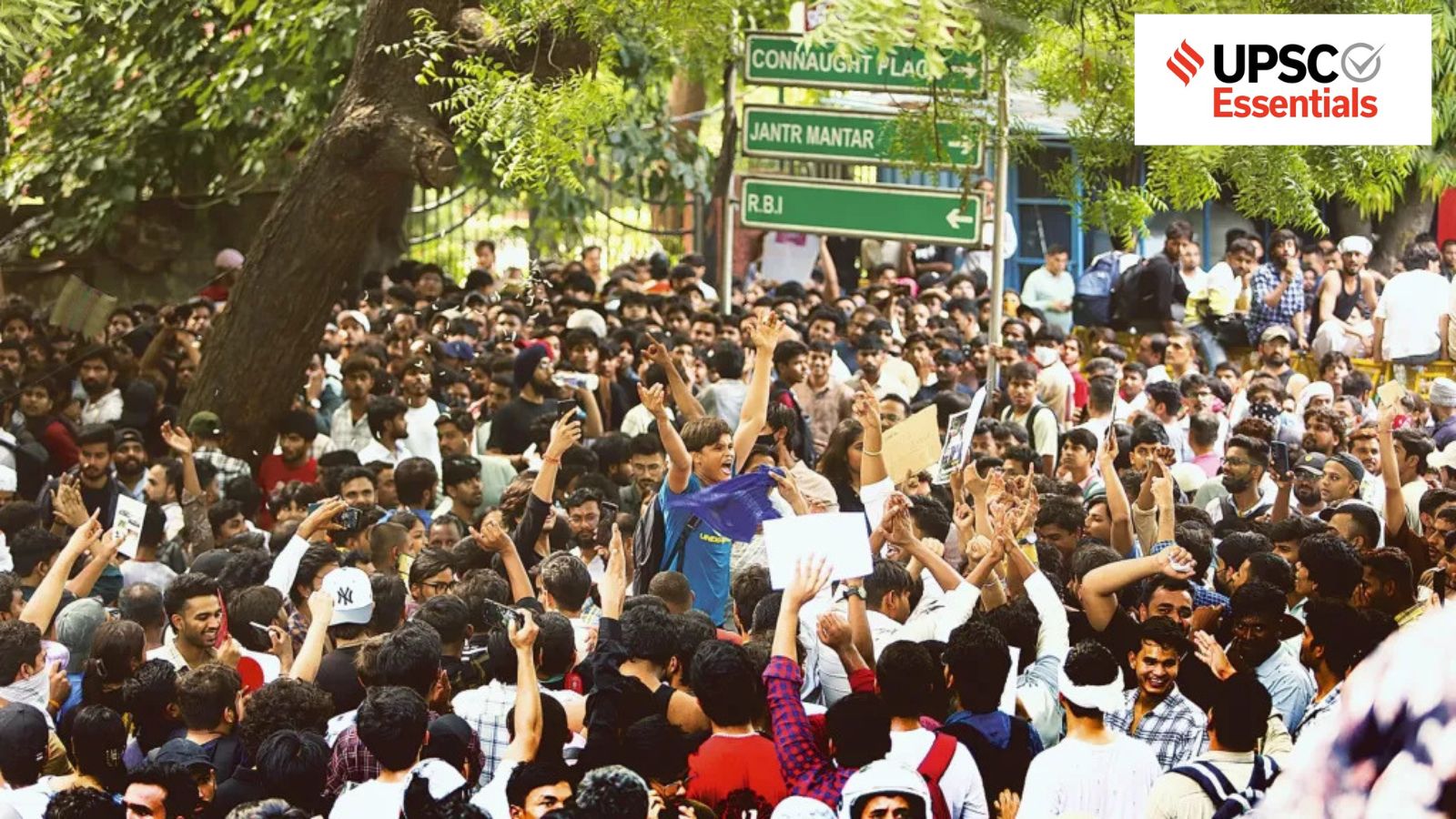
In a significant judicial intervention, the Supreme Court of India has expressed its intention to constitute a high-powered committee to delve into the complexities and issues arising from the prolonged protests led by the Cockroach Janta Party (CJP). The protests, which saw supporters thronging the Jantar Mantar road for over a month, have created a volatile atmosphere in the national capital, prompting the apex court to step in.
The proposed committee is designed to be a heavy-weight investigative body. According to the court, the panel will comprise a former Supreme Court judge and a former Director of the Central Bureau of Investigation (CBI), alongside other experts. This composition suggests that the court intends to ensure both legal scrutiny and professional investigative rigor in uncovering the facts surrounding the unrest.
Why This Matters
BozokMedia analysis shows that the court's decision to involve a former CBI chief indicates that the protests may have deeper systemic or security implications beyond simple political dissent. By creating a hybrid panel of judicial and investigative veterans, the Supreme Court is attempting to balance the need for a fair hearing with the necessity of maintaining public order in New Delhi.
The involvement of the judiciary in overseeing protest-related investigations serves as a critical check on executive power and ensures that the right to dissent is balanced with the rule of law.
The court has directed the concerned parties to suggest the 'terms of reference' for the committee, which will define the scope, duration, and specific objectives of the investigation. This collaborative approach ensures that all stakeholders are aligned on what constitutes a successful probe.
Historical Background
The CJP protests have been characterized by intense mobilization at Jantar Mantar, a historic site for political demonstrations in India. While the specific triggers of the CJP movement have sparked widespread debate, the duration of the protest—exceeding one month—had begun to strain city infrastructure and security resources, leading to the current judicial oversight.
Frequently Asked Questions
Who will lead the CJP protest probe?
The probe will be conducted by a high-powered committee consisting of a former Supreme Court judge and a former CBI Director.
What are the next steps in the legal process?
The court has asked parties to suggest terms of reference, and a formal order is expected to be issued shortly.