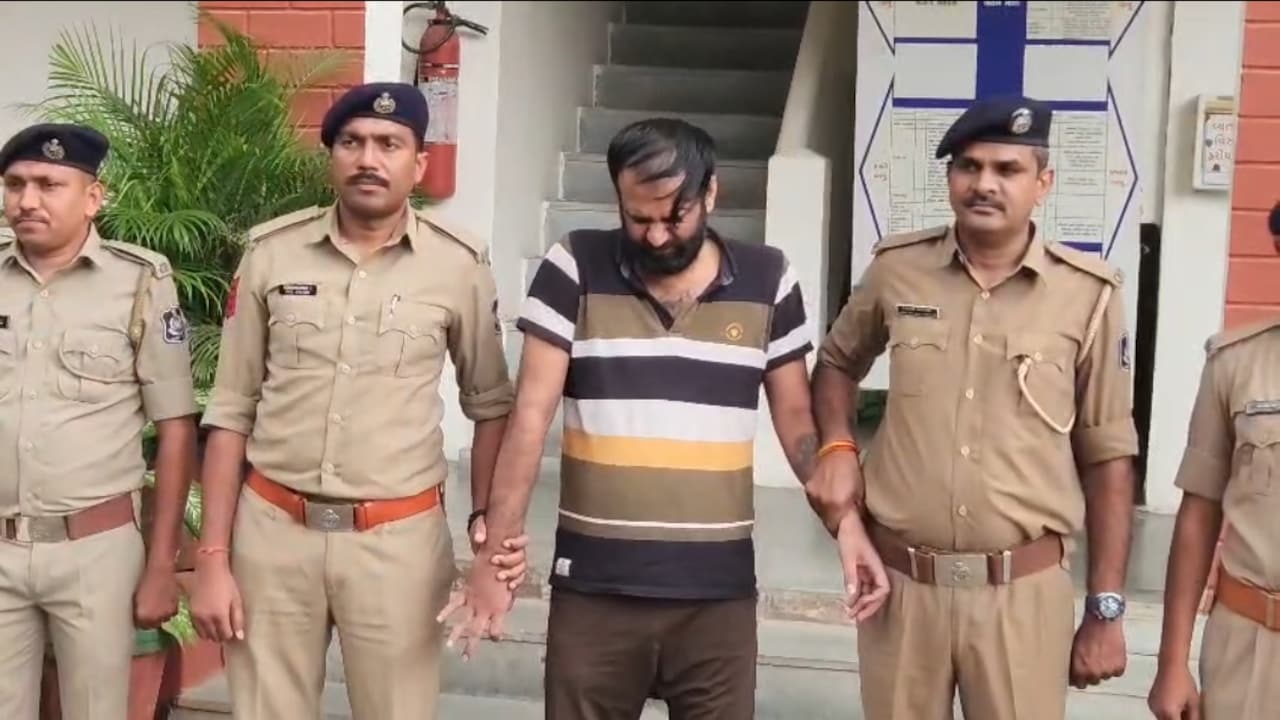
Surat police have detained 26 individuals suspected of using WhatsApp groups to incite textile workers into violent protests in the Amroli industrial area.
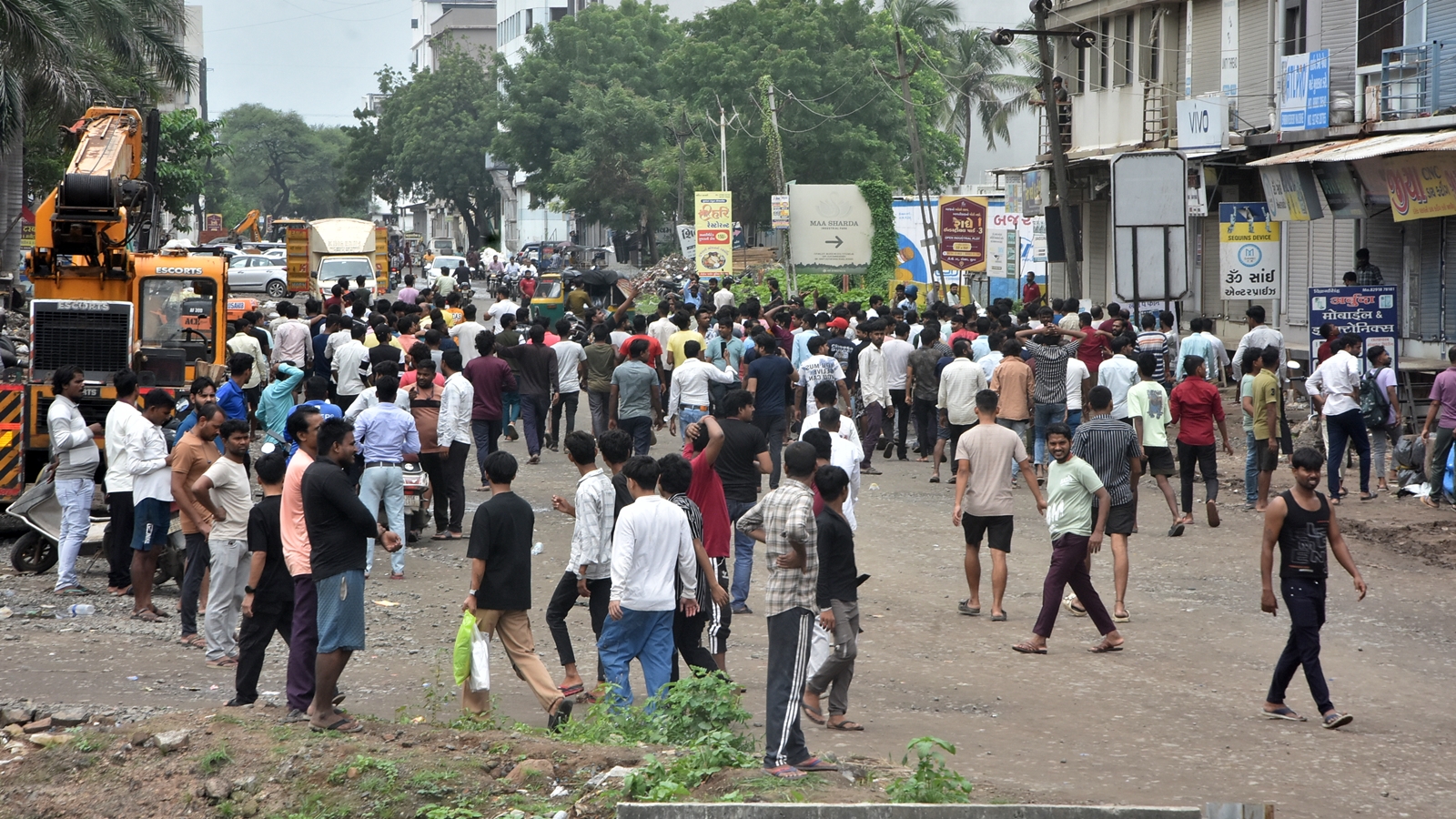
- Protesting workers stormed embroidery units in Surat's Vedant Eco Park demanding wage hikes and reduced hours.
- Police detained 26 people, primarily WhatsApp group admins, for allegedly spreading inflammatory messages.
- The unrest led to stone-pelting, injuring a police constable and disrupting industrial operations.
The industrial landscape of Surat witnessed significant turbulence over the last 48 hours as textile workers staged massive protests across several suburbs. On Tuesday, Surat Police detained 26 individuals following allegations that they orchestrated the unrest through coordinated social media campaigns. Most of those held are suspected to be administrators of WhatsApp groups used to incite workers.
The unrest began on Sunday afternoon when a large group of workers stormed two embroidery units at Vedant Eco Park-2 in the Amroli suburb. The agitators reportedly shut down power supplies to halt production, demanding a reduction in working hours from 12 to 8, a weekly off on Sundays, and a significant wage hike. The situation escalated when factory owners, including Vishal Goti, refused to yield to the immediate demands.
Why This Matters
BozokMedia analysis shows that the stability of Surat's textile sector is critical for India's manufacturing output. With the festive and wedding seasons approaching, any prolonged labor instability could lead to massive order cancellations and damage the reputation of the region as a reliable global textile supplier.
The shift from localized labor disputes to digitally-fueled mass mobilization presents a new and complex challenge for industrial law enforcement.
The violence took a serious turn when protesters allegedly engaged in stone-pelting against law enforcement. A constable from the Surat Crime Branch, Atulkumar Dubey, sustained a head injury during the clash. Consequently, multiple FIRs have been registered under the Bharatiya Nyaya Sanhita (BNS), including charges of rioting, unlawful assembly, and criminal conspiracy.
Historical Background: The textile industry in Surat has recently been in a fragile state. Following the US-Iran war, an LPG crisis forced many workers to migrate back to states like Bihar and Odisha in March. While production had begun to normalize by May, this sudden surge in labor unrest threatens to undo the recent economic recovery.
Frequently Asked Questions
1. What were the specific demands of the textile workers?
Workers demanded 8-hour shifts instead of 12, a fixed Sunday holiday, and increased wages.
2. Is the industrial situation currently stable?
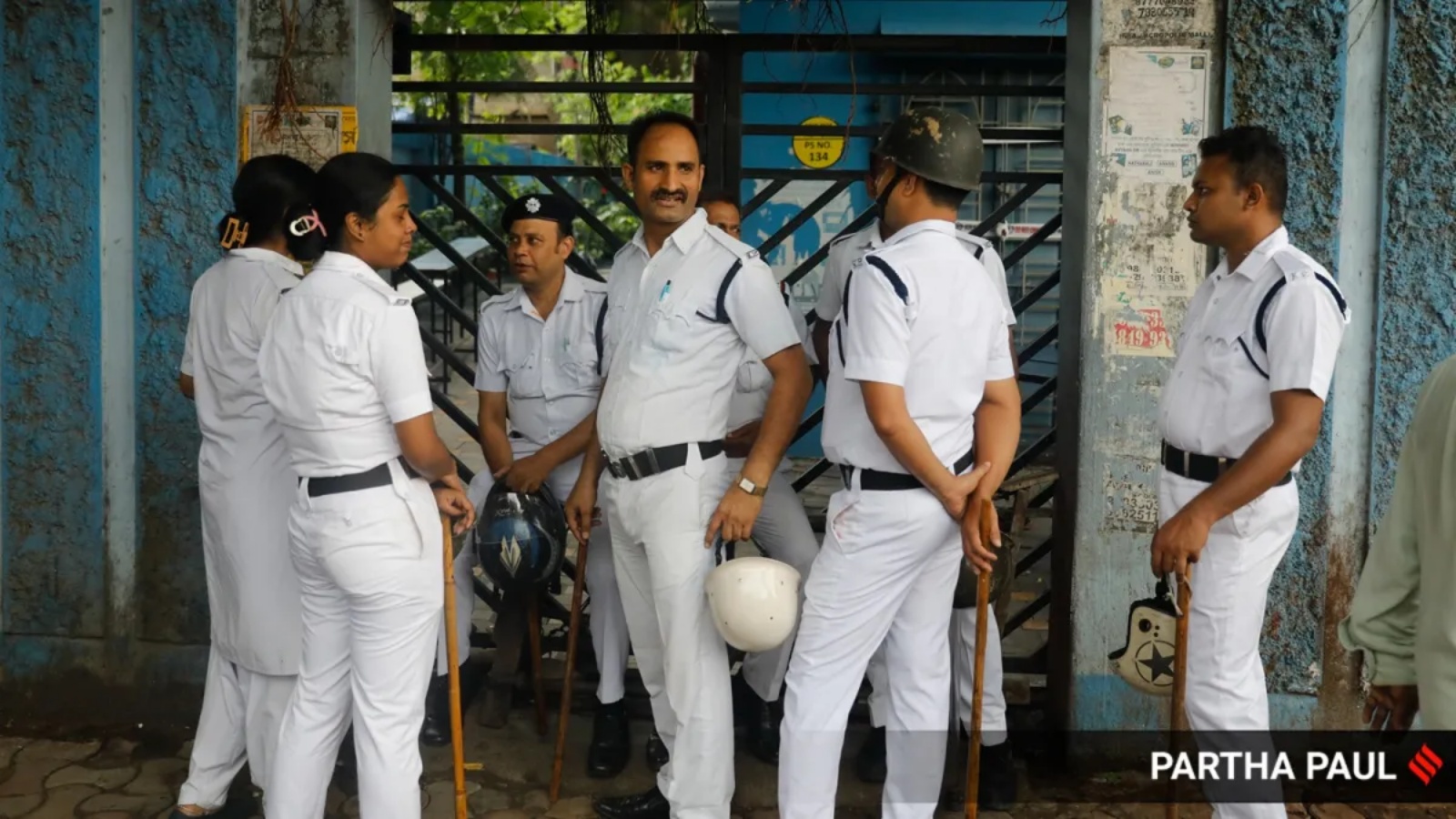
Yes, according to Deputy Commissioner of Police Lakhdhirsinh Zala, the situation is under control and factories in Amroli are operational under increased police patrolling.