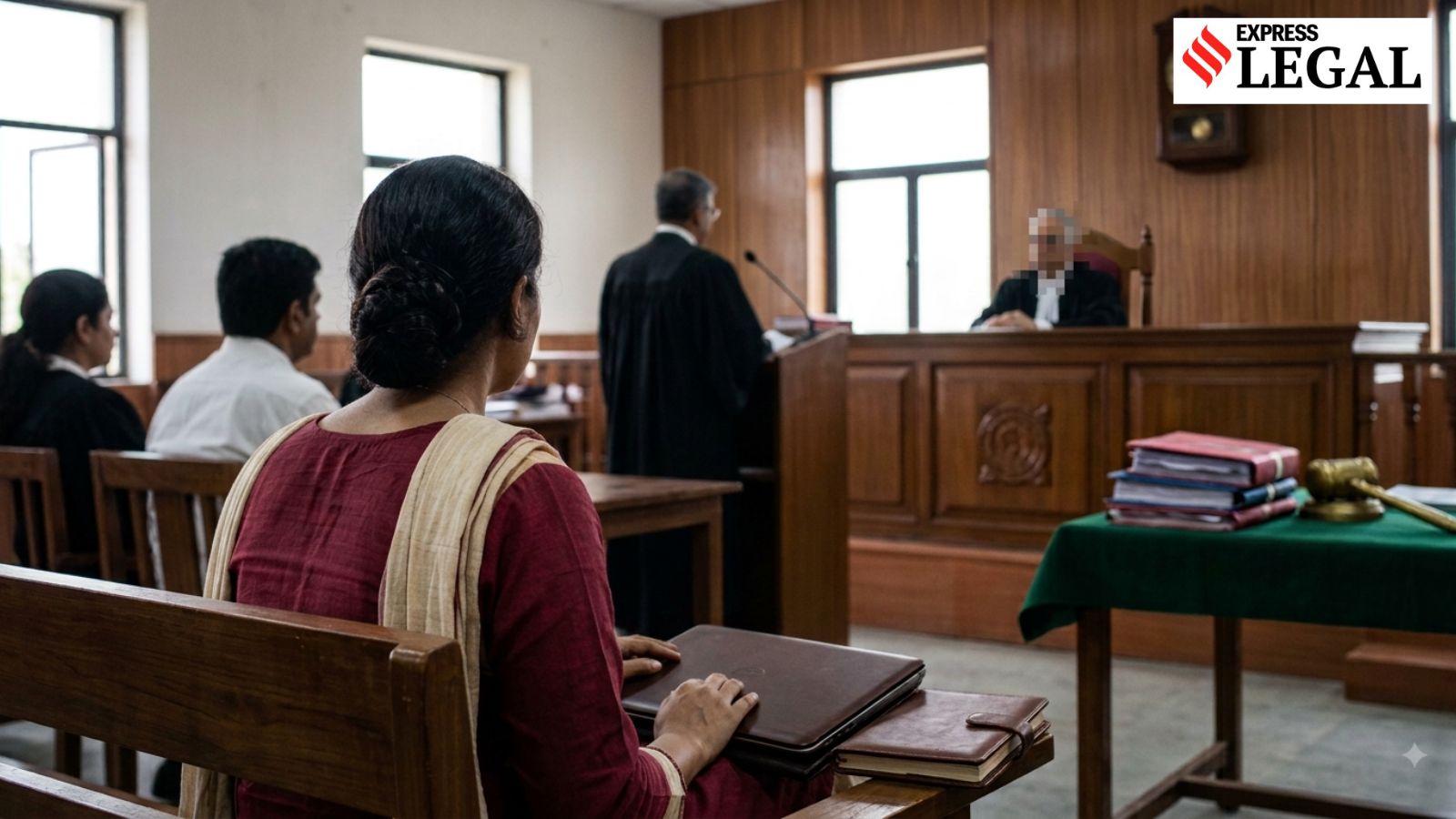
The Telangana High Court has declined to stop criminal proceedings against a woman accused of illegally recording and sharing a live-streamed court hearing involving her estranged husband. The court emphasized that the allegations are disputed facts that must be settled through a police investigation.
- Telangana High Court refused to quash criminal proceedings under the IT Act and Copyright Act.
- The petitioner is accused of recording and sharing a POCSO-related hearing via WhatsApp.
- The court directed the investigating officer to adhere to the Arnesh Kumar guidelines regarding arrests.
The Telangana High Court has delivered a significant ruling by refusing to quash criminal proceedings initiated against a woman who allegedly recorded and transmitted live-streamed court proceedings. The matter involves a legal battle between the woman and her estranged husband, where the woman is accused of violating the Information Technology Act, 2000 and the Copyright Act, 1957.
The controversy stems from a hearing held on November 13, 2025. The proceedings were part of a case under the Protection of Children from Sexual Offences (POCSO) Act, 2012, in which the husband was an accused party. While the husband had been granted bail, the petitioner challenged this order. It is alleged that during the hearing regarding the bail challenge, the woman recorded the live stream and shared it with others via WhatsApp.
Why This Matters
BozokMedia analysis shows that this case highlights the growing tension between the judiciary's move toward transparency (via live-streaming) and the strict legal boundaries regarding the redistribution of such content. While live-streaming is intended for public access, the unauthorized recording and dissemination—especially in sensitive cases like POCSO—can be viewed as a contempt of court or a statutory offense. This ruling reinforces that the "right to access" does not equate to a "right to redistribute" for personal or malicious agendas.
During the proceedings, Justice J Sreenivas Rao noted that the petitioner's claims—that she neither downloaded nor shared any information—are disputed facts. The court maintained that these assertions cannot be decided in a quashing petition but must be revealed through a thorough police investigation.
The judiciary is increasingly vigilant about the digital misuse of court proceedings to prevent the 'trial by social media' phenomenon.
The petitioner's counsel, Raghunath, argued that proceedings under the POCSO Act are generally excluded from live-streaming under Rule 5 of the Telangana High Court Rules. He further contended that the investigating officer failed to follow the safeguards laid down by the Supreme Court in the landmark Arnesh Kumar v State of Bihar case, which prevents unnecessary arrests in offenses punishable by less than seven years of imprisonment.
The court eventually directed the investigating officer to strictly follow the BNSS (Bharatiya Nagarik Suraksha Sanhita) procedures and the Arnesh Kumar safeguards. The petitioner has been told to cooperate with the investigation and may raise any legal pleas after receiving a formal notice from the investigating officer.
Frequently Asked Questions
Q1: Can anyone record a live-streamed court hearing in India?
While many courts allow live-streaming for transparency, recording and sharing that content—especially in sensitive cases—may violate court rules and the Copyright Act.
Q2: What is the significance of the Arnesh Kumar case mentioned?
It mandates that police must provide a checklist of reasons for arrest for offenses with punishments under 7 years, preventing arbitrary detention.