Bhopal police are preparing to deploy divers to search a deep pond for the missing private parts of a teenager allegedly murdered for organ trafficking. The recovery of these body parts is crucial evidence that could significantly strengthen the prosecution's case in court. The investigation suggests a potential link to a larger, more organized criminal network.
- Bhopal Police have cracked the murder of a teenager allegedly killed for organ trafficking.
- Accused individuals removed the victim's private parts and disposed of them in a pond, which are now being sought.
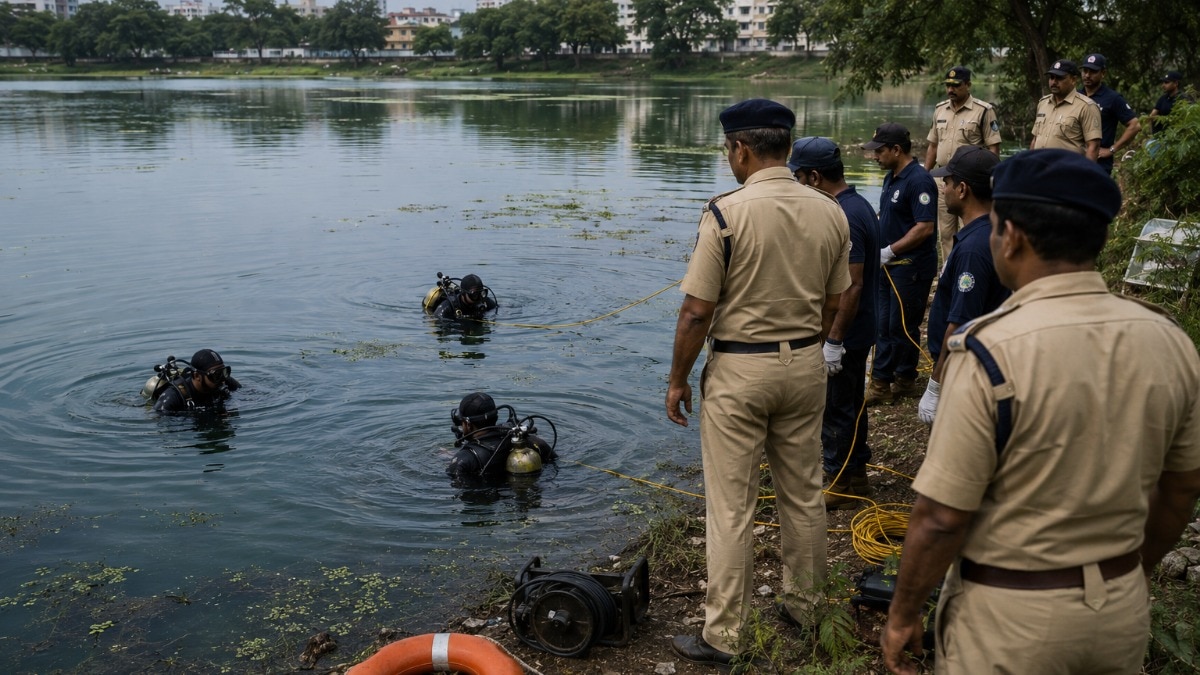
- Police are enlisting divers for a deep-water search operation to recover this crucial evidence.
- The investigation points towards a possible larger criminal network and international links.
The investigation into the brutal murder of a teenager in Bhopal has taken a critical turn, with police preparing to deploy specialized divers. The accused, arrested in connection with the alleged organ trafficking plot, revealed that they severed the victim's private parts and threw them into a pond. The Bhopal Police are now gearing up for a deep-water search operation to recover these missing body parts, which are considered vital evidence to strengthen the case in court.
According to police, the teenager went missing on August 6, prompting an extensive search by his family. On August 11, a body was recovered from the Chhota Talab area in Bhopal. The family identified the body on August 14 based on the victim's clothes and slippers. The investigation escalated significantly after preliminary findings pointed towards a conspiracy involving organ trafficking.
During interrogation, the accused told police that after the murder, they cut and removed both private parts from the victim’s body and placed them in a plastic bag. Their intention was to sell these organs, but they were unable to find a buyer. One of the accused, Zoheb, then returned the bag the following day to co-accused Aamir and a juvenile, instructing them to keep it for two to three days. Three days later, when Zoheb was still unable to sell the body parts, Aamir and the minor threw them into the pond.
Why This Matters
This case not only uncovers a heinous crime but also paints a grim picture of the potential spread of organ trafficking in India and its possible international ramifications. BozokMedia analysis shows that the recovery of missing evidence in such cases is paramount for the judicial process, especially given the brutal and organized nature of the crime. This incident raises serious questions about the safety of children and teenagers in society and underscores the need for more robust law enforcement against criminal networks.
"The recovery of the missing body parts will be a crucial forensic link in this case. It will not only corroborate the manner of death but also significantly bolster the organ trafficking charge, which is often difficult to prove in court," stated a senior forensic expert.
Officials noted that the search has become incredibly challenging as the pond is deep, contains various aquatic animals, and overflows into a larger pond that stretches for several kilometers. Despite searches at multiple locations, the removed body parts have not yet been recovered. Police teams are continuing their efforts to trace them while also examining whether the plan was linked to a larger criminal network. Investigators are attempting to establish the identities of those behind the purported network and verify whether minors were lured into participating in the crime with promises of large sums of money.
Frequently Asked Questions
- Q: What was the alleged motive for luring the teenager?
A: Police suspect the teenager may have been lured with the promise of around Rs 2 crore, although the exact motive and circumstances of the crime are still being verified. - Q: Why were the accused allegedly unable to sell the body parts?
A: During interrogation, the accused stated that they could not find a buyer for the body parts, leading them to dispose of them in the pond.