Defense lawyers for Erin Patterson argue her conviction is invalid after jurors and prosecutors stayed at the same hotel during the trial.
- Defense claims a 'catastrophic' error occurred when jurors and prosecutors stayed at the same hotel.
- The prosecution is appealing the sentence, calling the 33-year parole period 'manifestly inadequate.'
- Legal arguments center on speculative mobile data and the exclusion of key defense evidence.
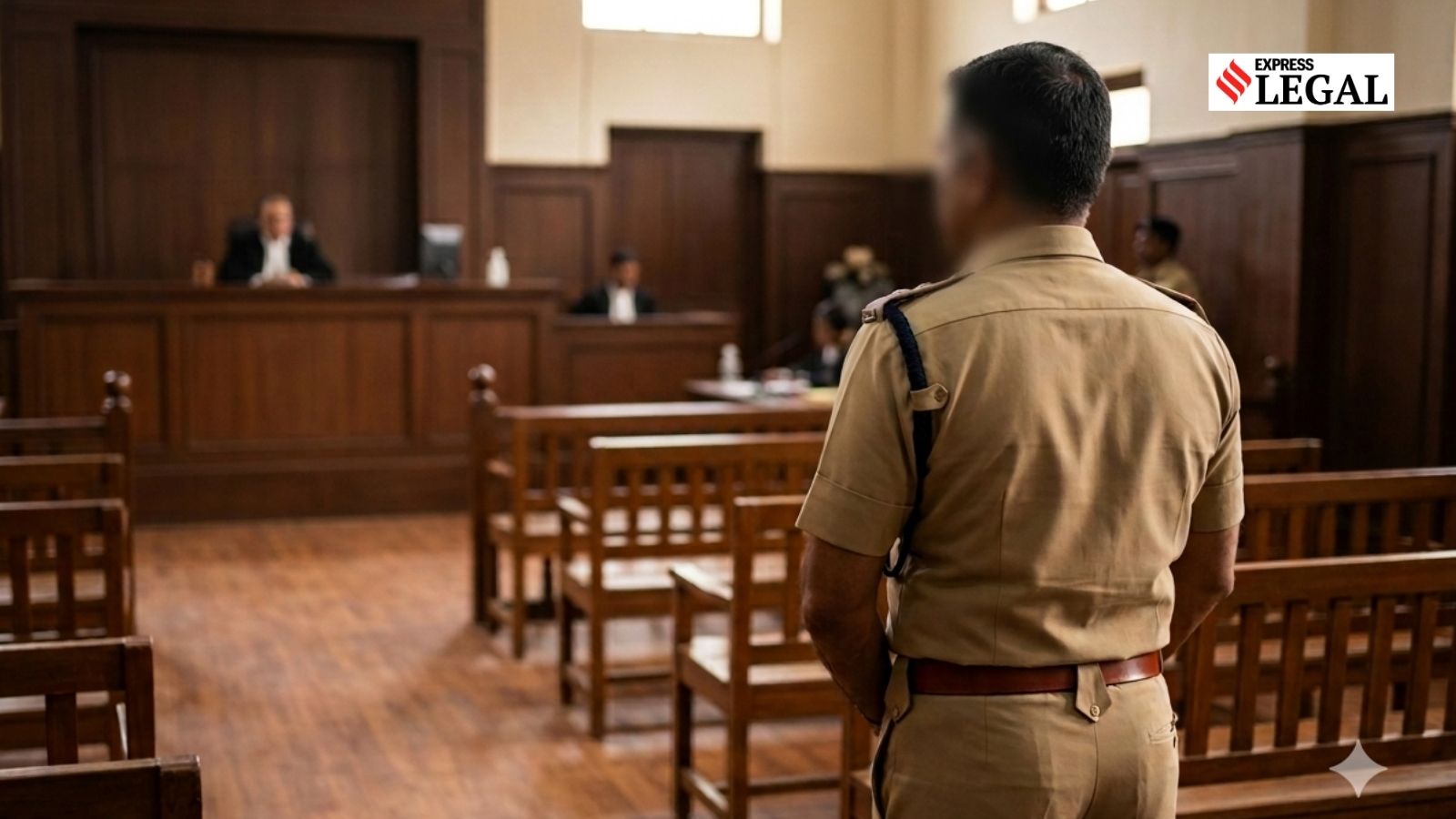
The high-profile trial of Erin Patterson, convicted of killing three relatives with toxic mushrooms, has taken a dramatic turn in the Court of Appeal. Her defense team has alleged that the integrity of the entire verdict was compromised by a "catastrophic" logistical error: the jury, prosecution team, key witnesses, and journalists all stayed at the same hotel during deliberations.
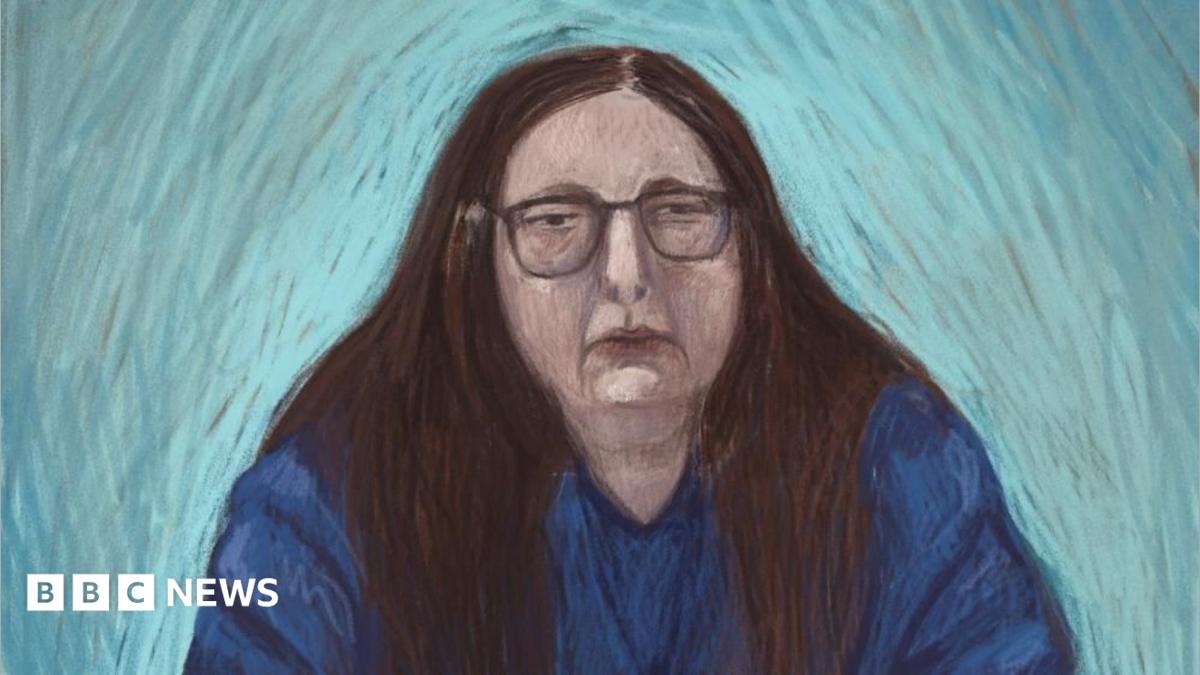
Patterson is currently serving a life sentence for serving a beef Wellington laced with death cap mushrooms at her Victoria home in 2023. The victims included her in-laws, Don and Gail Patterson, and Gail's sister, Heather Wilkinson. Her defense barrister, Richard Edney, argued that this proximity between the jury and the prosecution necessitates a quashing of the convictions to ensure that "justice can not only be done but be seen to be done."
Why This Matters
BozokMedia analysis shows that this case represents a fundamental challenge to the concept of impartial adjudication. In high-stakes criminal trials, the separation between the adjudicators (the jury) and the state (the prosecution) must be absolute. Any perceived overlap, regardless of actual communication, creates a shadow of doubt that can dismantle even the most robust legal convictions.
"The cornerstone of a fair trial is the absolute perception of impartiality; once that is tainted, the verdict itself becomes fragile."
Beyond the hotel controversy, the defense is attacking the prosecution's reliance on circumstantial evidence. They argued that the use of mobile phone tower data to suggest Patterson was foraging for mushrooms was purely speculative. Defense lawyer Veronika Drago accused the prosecution of "turning nothing into something," noting there was no direct evidence that Patterson had accessed the iNaturalist website where mushroom sightings were reported.
Conversely, the Victoria Director of Public Prosecutions, Brendan Kissane, maintained that while the hotel situation was "regrettable," it was an accident and no communication between the jury and the prosecution was proven. The prosecution remains confident, asserting that the evidence—including the different medical outcomes for the guests and Patterson herself—pointed overwhelmingly to a deliberate act of poisoning.
| Issue | Defense Argument | Prosecution Argument |
|---|---|---|
| Hotel Stay | Undermined trial integrity. | Accidental and no communication occurred. |
| Mobile Data | Purely speculative location data. | Shows opportunity to forage mushrooms. |
| Sentence | Current sentence is sufficient. | 33-year parole is "manifestly inadequate." |
Frequently Asked Questions
1. Who were the victims in the Patterson case?
The victims were Don and Gail Patterson and Heather Wilkinson.
2. What is the prosecution appealing?
They are appealing against the sentence, arguing the 33-year parole period is too short.