The Telangana High Court has directed that children of central government employees transferred out of the state will be treated as 'local candidates' for MBBS and BDS admissions. This landmark ruling addresses the educational hardships faced by students due to parental transfers.
- Children of central government employees will now be granted 'local candidate' status for medical admissions.
- The Telangana High Court ordered an expansion of existing exceptions in state admission rules.
- The ruling prevents discrimination between children of state and central government employees.
In a significant judicial intervention, the Telangana High Court has ordered that children of central government employees, who were transferred outside the state, shall be treated as 'local candidates' for MBBS and BDS admissions. This decision aims to rectify a long-standing disparity in the state's medical admission rules regarding residency and study requirements.
The Case of Kodimela Samhitha
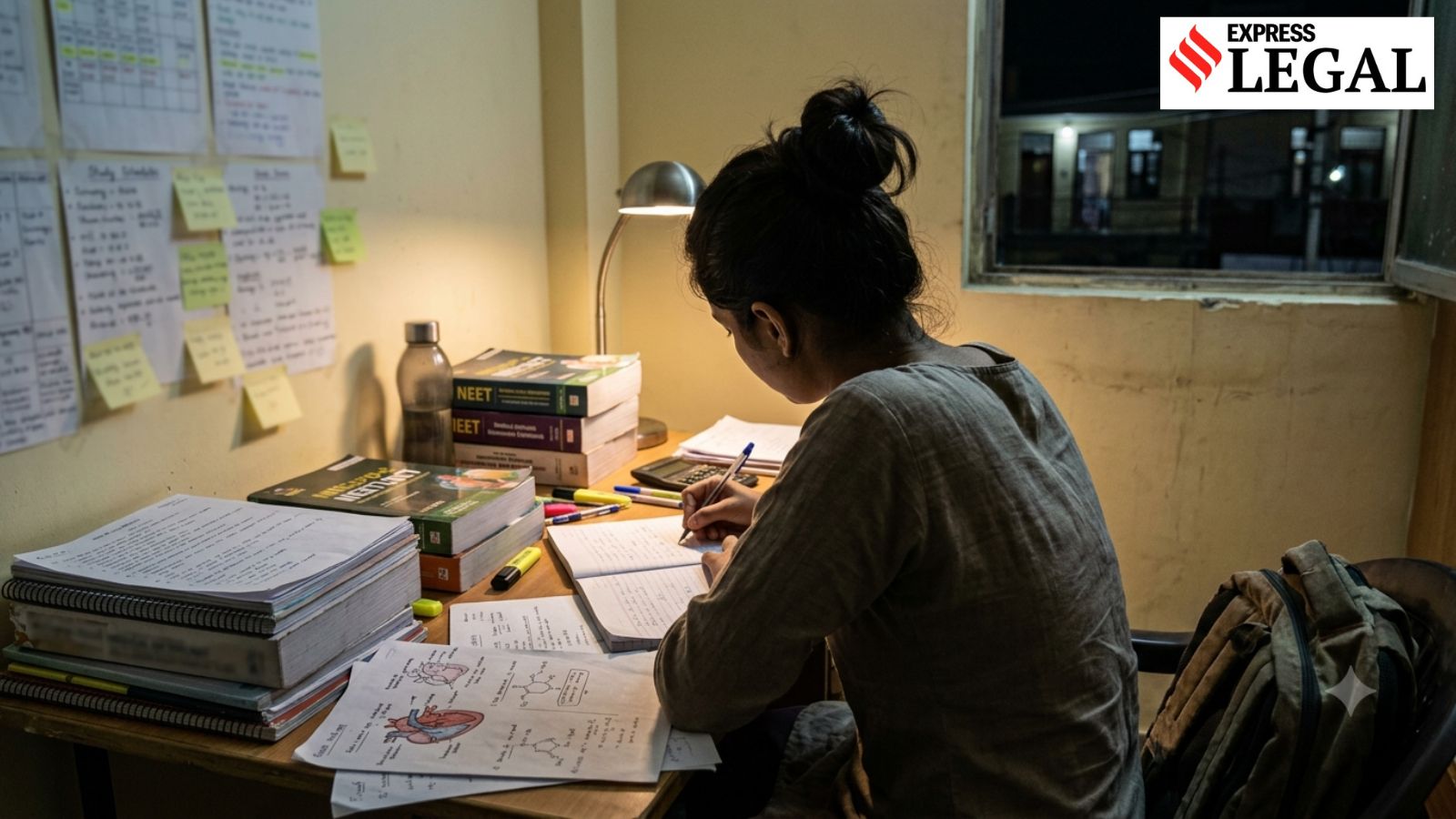
The ruling came in response to a petition filed by 18-year-old student Kodimela Samhitha, who qualified for NEET-UG 2026. Samhitha’s father, an employee of the Employees’ State Insurance Corporation (ESIC), was transferred from Hyderabad to Tirupati. Due to this official transfer, Samhitha had to complete her schooling in Andhra Pradesh, which prevented her from fulfilling the mandatory four consecutive years of study within Telangana required for local status.
Her counsel argued that there was no rational basis for distinguishing between the children of state government employees and central government employees, as the hardship caused by an official transfer is identical in both cases.
Why This Matters
BozokMedia analysis shows that this judgment is a crucial step toward ensuring constitutional equality. By extending the 'local' status to children of central employees, the court has addressed a gap where students were being penalized for their parents' service to the nation. This ruling prevents the arbitrary classification that previously favored only state-level employees, potentially affecting thousands of future medical aspirants.
The court's decision ensures that a parent's professional mobility does not become a barrier to a child's educational rights.
Legal Implications and Constitutional Validity
The bench, comprising Chief Justice Aparesh Kumar Singh and Justice G M Mohiuddin, observed that if exceptions are carved out for certain categories, there is no justifiable reason to exclude children of central government employees. The legal argument highlighted that the existing exclusion was potentially violative of Articles 14 (Right to Equality) and 15 of the Indian Constitution.
Telangana Advocate General A Sudershan Reddy acknowledged the rationale behind the exception and informed the court that the state is actively considering an amendment or clarification to include central government employees within these protective rules.
Historical Background of Admission Rules
Under the Telangana Medical and Dental Colleges Admission Rules, candidates must typically prove a specific period of residence or study within the state to qualify for the 'local candidate' quota. While exceptions existed for children of state government employees and defense personnel, central corporation employees like those in ESIC were left in a legal vacuum, creating significant hurdles for mobile families.
Frequently Asked Questions
1. Who is eligible for this new status?
Children of central government employees who were forced to study outside Telangana due to their parents' official transfers are now eligible.
2. How does this help medical aspirants?
It allows them to compete under the 'local candidate' quota for MBBS and BDS seats, which is often more accessible than the unreserved all-India categories.