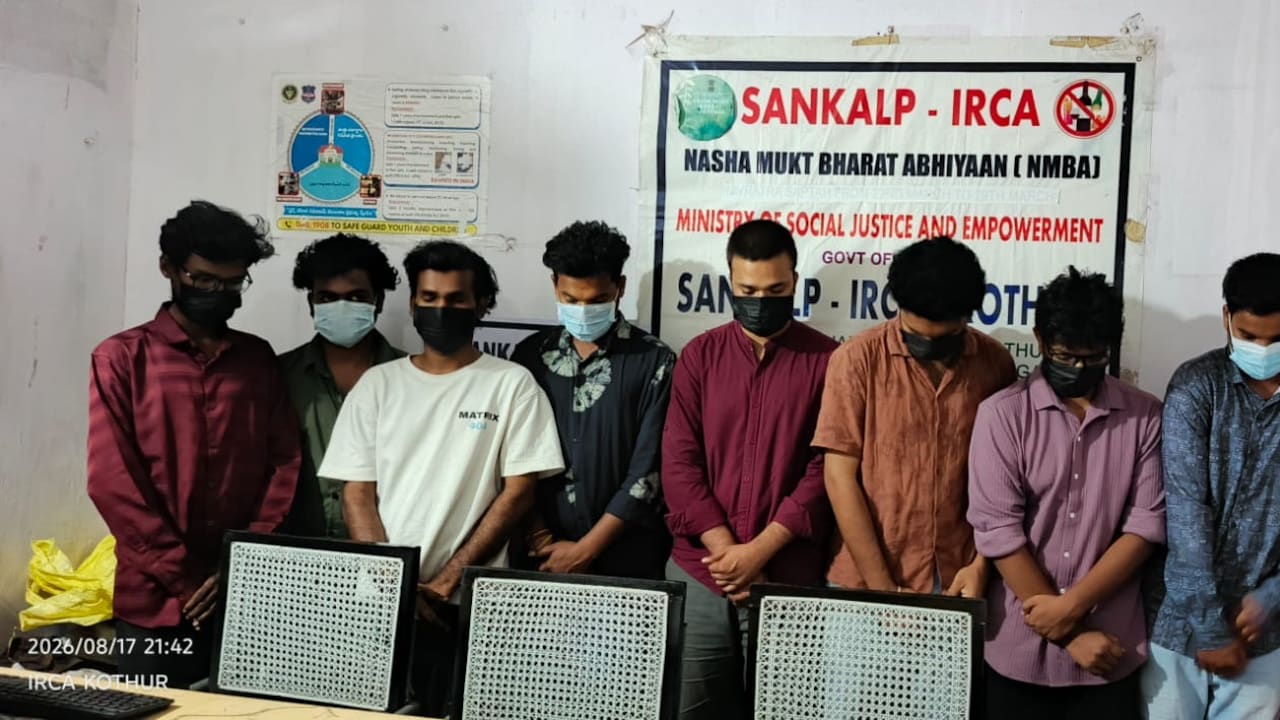
In a major crackdown, Telangana Police have dismantled a sophisticated multi-state drug trafficking network, detaining over 100 individuals over a 10-week period. The syndicate utilized WhatsApp and digital payments to facilitate illegal transactions.
- Over 100 individuals detained during a massive 10-week crackdown.
- The syndicate used WhatsApp for orders and PhonePe for digital payments.
- Google Maps locations were utilized for drug drop-offs.
In a significant blow to organized crime, Telangana Police have successfully dismantled a highly organized, multi-state drug trafficking network. Following an intensive 10-week investigation, law enforcement officials confirmed that more than 100 suspects have been taken into custody. This operation highlights the growing complexity of narcotics distribution across state borders.
The investigation revealed a highly sophisticated modus operandi designed to evade traditional surveillance. According to investigators, the syndicate utilized WhatsApp to receive drug orders, ensuring encrypted communication between buyers and sellers. To bypass the physical exchange of cash, payments were processed through PhonePe, adding a layer of digital anonymity to the transactions.
Once the digital payment was confirmed, the perpetrators would send precise coordinates via Google Maps to the buyers. This 'dead-drop' method allowed for the exchange of narcotics without direct face-to-face contact, significantly reducing the risk of detection for the kingpins of the operation.
Why This Matters
BozokMedia analysis shows that the integration of encrypted messaging and instant digital payment systems has revolutionized the narcotics trade, making it harder for authorities to track the flow of money and substances. This case serves as a blueprint for how modern criminal syndicates operate in the digital age.
The shift from physical handovers to digital coordination represents a dangerous evolution in organized crime logistics.
Authorities have expressed deep concern regarding the vulnerability of the youth to such networks. A formal appeal has been issued to students and educational institutions to remain vigilant and report any suspicious activities or individuals involved in drug-related dealings to the police immediately.
Historical Background
Historically, drug trafficking in India relied heavily on local distribution hubs and physical smuggling routes. However, the rise of the 'gig economy' model in crime—using apps and digital logistics—has forced law enforcement agencies to upgrade their digital forensics and cyber-intelligence capabilities.
Frequently Asked Questions
Question 1: How did the criminals avoid detection?
Answer: They used encrypted messaging apps like WhatsApp and digital payment tools to avoid physical evidence and direct contact.
Question 2: What is the scope of this drug network?
Answer: It was a multi-state operation, meaning it operated across several different Indian states.