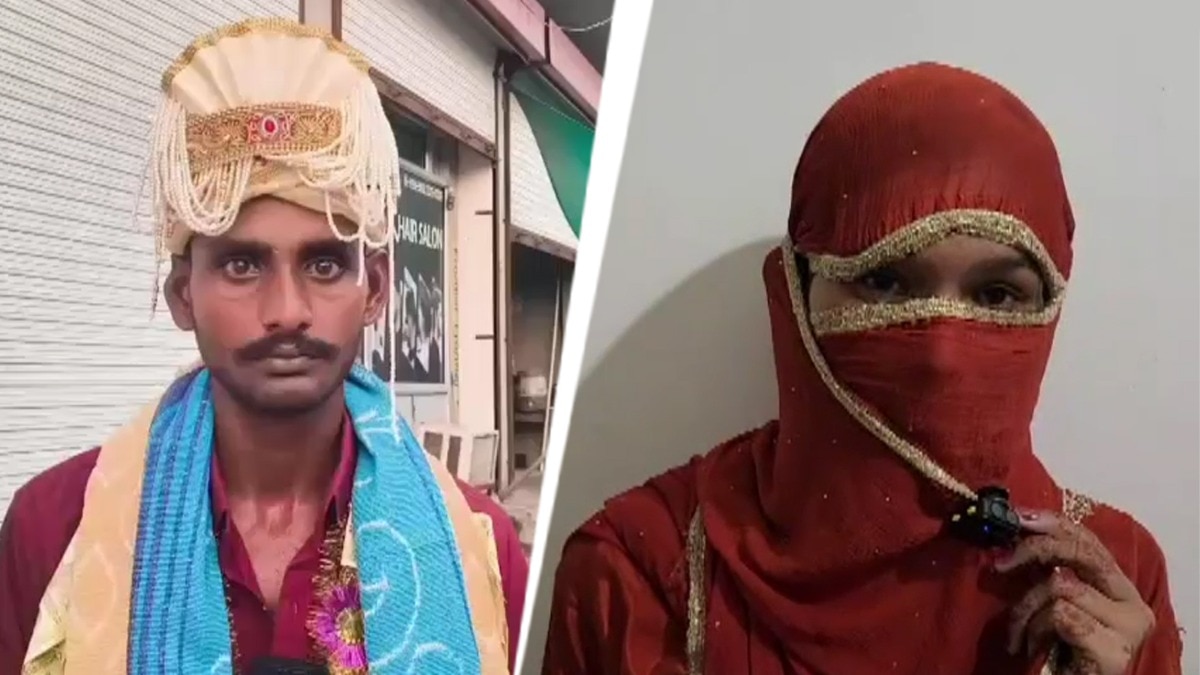
A wedding in Firozpur, Punjab, came to a dramatic halt when the bride refused to marry the groom after seeing him in person. The bride alleged identity fraud, claiming the photos provided were of a different man.
- The bride refused to proceed with the marriage rituals after spotting the groom.
- Allegations of identity mismatch were raised by the bride's side.
- The wedding procession from Chhatargarh, Rajasthan, returned empty-handed.
- Police investigation was initiated following a complaint from the groom's family.
A wedding ceremony in the Firozpur district of Punjab took a dramatic and unexpected turn when the bride refused to marry the groom upon seeing him at the venue. The incident occurred just as the wedding rituals and the sacred pheras were about to commence, leading to a sudden standoff between the two families.
The bride alleged that she had been misled during the matchmaking process. According to her claims, the photographs provided to her prior to the wedding depicted a different man altogether. Upon seeing the actual groom at the wedding venue, she immediately called off the marriage, leading the wedding procession—which had traveled from Chhatargarh in Rajasthan—to return home without the bride.
Why This Matters
BozokMedia analysis shows that such incidents highlight the growing complexities and potential for deception in arranged marriage setups mediated by third parties. The discrepancy between digital representations (photos) and physical reality can lead to significant legal and social repercussions in modern matrimonial arrangements.
'Identity discrepancies in matrimonial alliances can lead to immediate breakdown of trust and legal complications.'
In contrast, the groom's family has denied any intentional deception. Mahendra Singh, the groom's maternal grandfather, maintained that the marriage was arranged with mutual consent and that both families had been in regular contact via mobile phones. He further asserted that the photographs used during the negotiation phase were provided by mediators and the bride's own mother.
The situation escalated to the point of police involvement. Tejinderpal Singh, the Deputy Superintendent of Police (DSP) of Guru Har Sahai, confirmed that a complaint had been filed by the groom's family two days prior. While the police had begun an investigation and recorded statements from both sides, the dispute was ultimately resolved privately between the two families before formal charges were pursued.
Historical Background
Traditionally, matrimonial alliances in many parts of India have relied heavily on community mediators or 'middlemen.' While this system has functioned for centuries, the transition to using photographs as a primary tool for verification has introduced new vulnerabilities regarding authenticity and identity verification.
Frequently Asked Questions
Question 1: Why did the bride refuse to marry?
Answer: She claimed the man present at the venue did not match the photographs she was shown earlier.
Question 2: What was the outcome of the police investigation?
Answer: Both families reached a mutual settlement, and the matter was resolved privately.