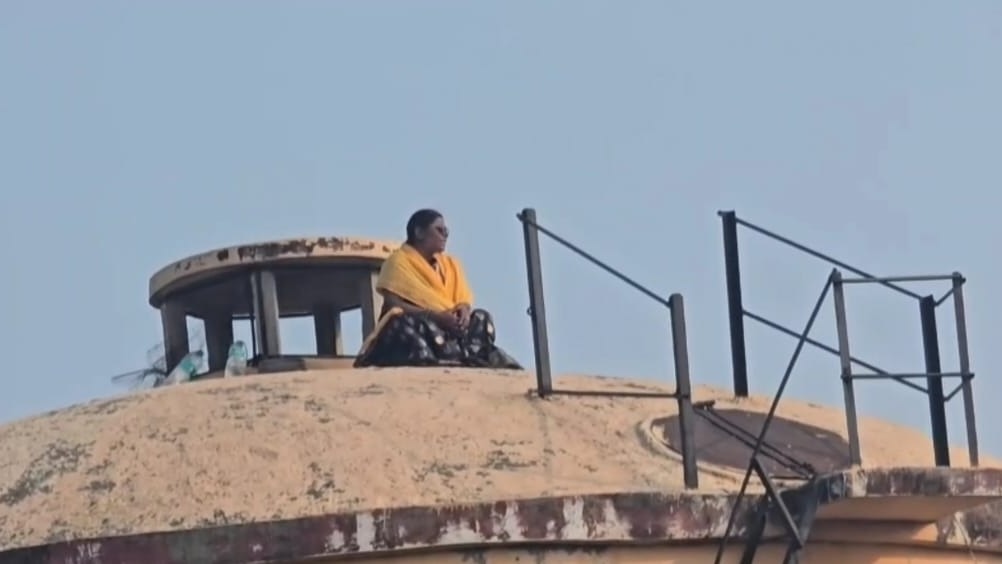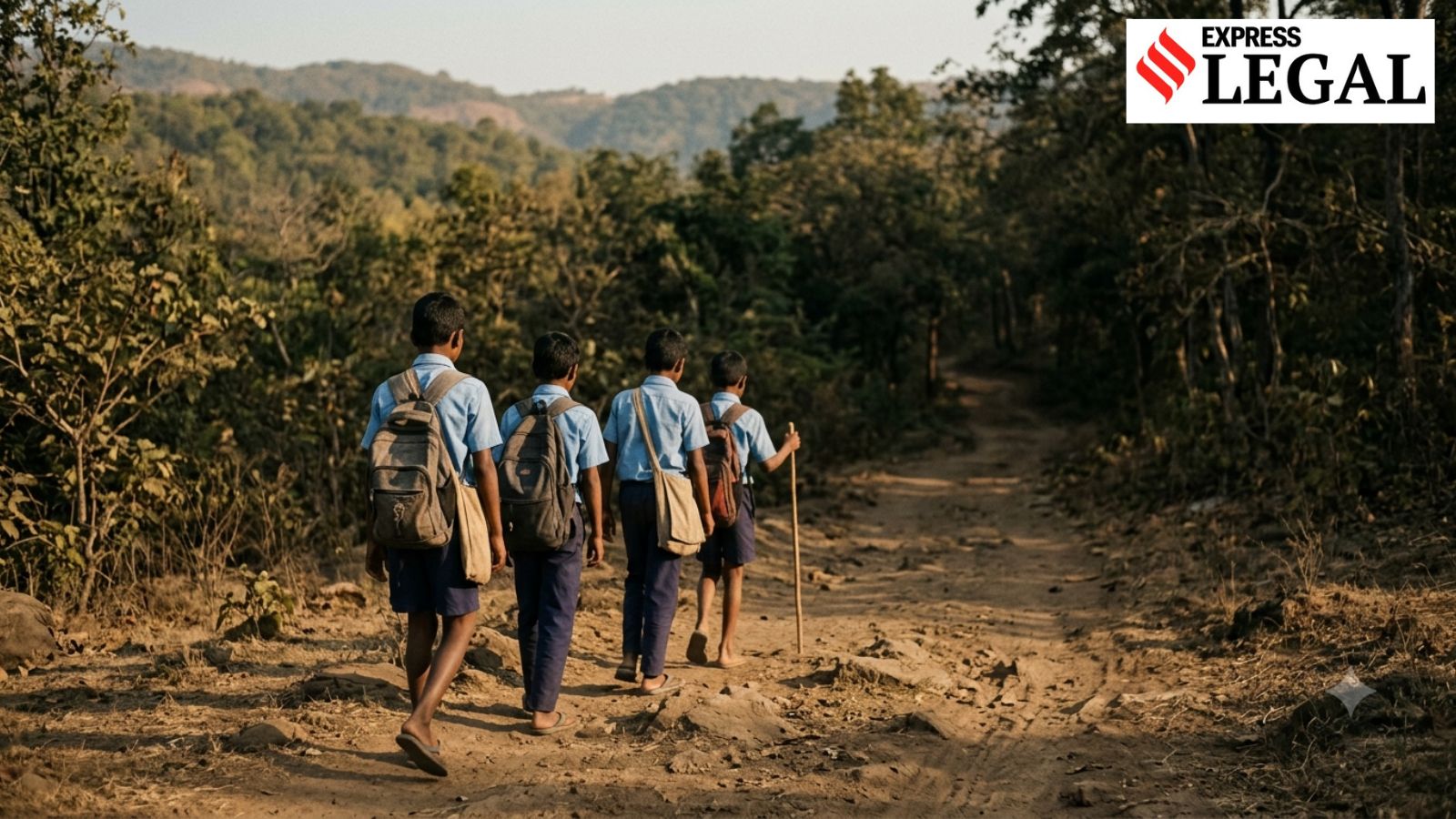
The Bombay High Court has condemned the 'appalling apathy' of the Maharashtra government, noting that 228 students are forced to commute through wildlife-prone areas without safe transport.
- 228 students from eight villages face constant threat of wildlife attacks.
- The Bombay High Court termed the government's inaction as 'appalling apathy'.
- A Class 6 student reportedly walks 4 hours daily due to lack of transport.
- The Court has demanded an explanation from the District Collector and Forest Department.
The Bombay High Court has issued a stern reprimand to the Maharashtra Government after discovering that 228 school students are traveling through areas highly vulnerable to wildlife attacks without any adequate transport facilities. The court described the state's failure to protect these children as "appalling apathy."
During the hearing of a Public Interest Litigation (PIL) filed by Harish Bhimrao Kamble, Justices Sharmila U Deshmukh and Neeraj P Dhote expressed deep concern over the safety of students. The court noted that despite clear directions issued on April 2, 2026, the authorities have failed to implement safety measures for children commuting to five different schools.
Why This Matters
BozokMedia analysis shows that this case highlights a critical gap in the implementation of the Right to Education (RTE) and the Wildlife Protection Act. When students are forced to walk up to 30 kilometers through predator-infested zones, it is not just a logistical failure but a direct violation of the fundamental right to life and safety under Article 21 of the Constitution.
"The apathy of the State Government is appalling; there is absolutely no concern for the safety of children who are traveling long distances for education."
The petitioner's affidavit revealed a harrowing reality: some students walk for four hours every single day because no transport is provided. This lack of infrastructure leaves these children exposed to potential attacks by wild animals, making their daily commute a life-threatening journey.
Historical Background & Legal Context
On April 2, 2026, the High Court had previously directed the District Collector and the Forest Department to identify dangerous schools and deploy safe transport escorted by a dedicated Rapid Response Team (RRT). The petitioner argued that securing school access is a statutory obligation under Rule 6 of the RTE Rules. Additionally, the plea sought the permanent deployment of an advanced life support ambulance at the Shittur-Warun primary centre to handle medical emergencies.
| Requirement | Court's April 2 Directive | Current Status |
|---|---|---|
| School Identification | Identify danger-prone schools | Not complied |
| Transport | Safe transport with RRT | Not provided |
| Medical Support | Advanced Life Support Ambulance | Pending |
Judicial Scrutiny Ahead
The court has now directed the District Collector and the Forest Department to file affidavits within one week to explain their non-compliance. The bench warned that if the explanations are found unsatisfactory, the court will be constrained to take a very serious judicial view of the matter.
Frequently Asked Questions
1. What was the specific direction given by the court in April?
The court directed the identification of high-risk schools and the provision of safe transport escorted by a Rapid Response Team.
2. Why is the government being criticized?
The government is being criticized for failing to follow court orders, leaving students to walk long distances through wildlife-prone areas without protection.