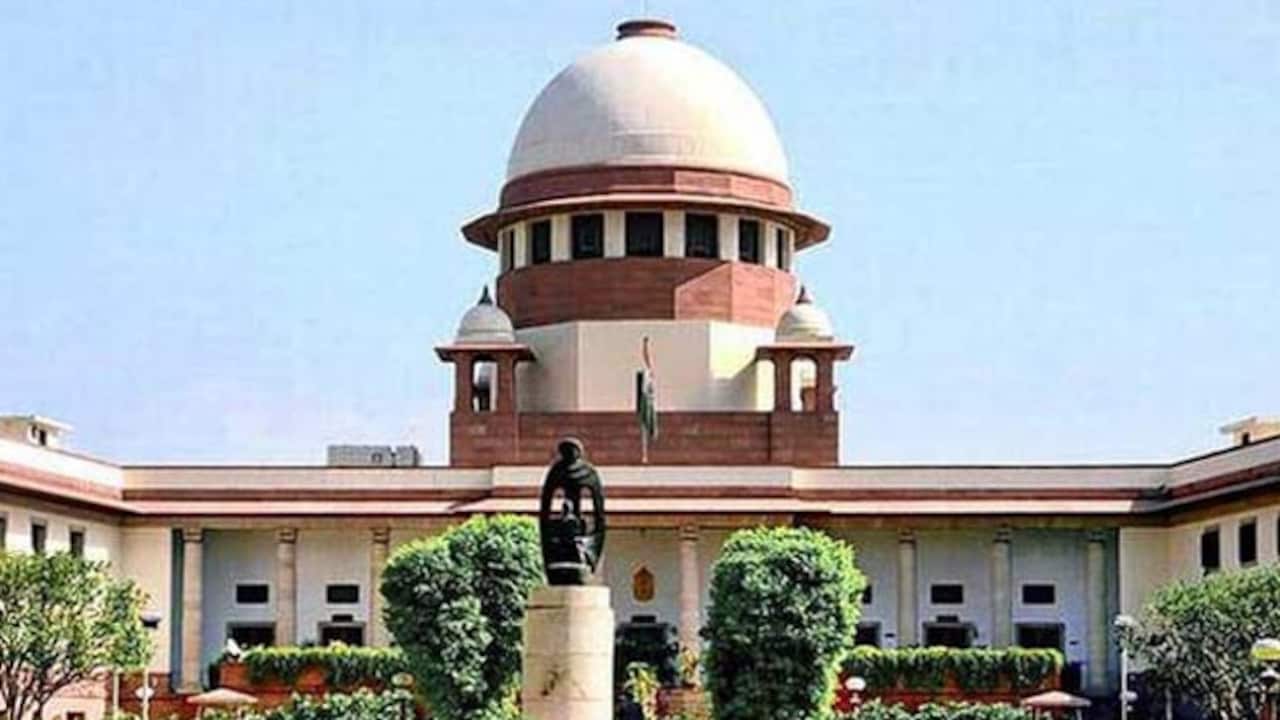
The Supreme Court has ruled that incidents occurring within private confines, without the presence of the public, cannot be classified as being in 'public view.' The court made this observation while quashing proceedings against a manager.
- Private interactions do not automatically fall under 'public view.'
- The Supreme Court quashed proceedings against a manager in this context.
- The presence of the public is a critical element for specific caste-based offenses.
In a significant legal clarification, the Supreme Court of India has observed that an incident occurring within the confines of four walls, where no members of the public are present, cannot be automatically deemed to have taken place in 'public view.' This ruling came while the bench was deciding on the cancellation of proceedings against a manager accused of using casteist language.
The core of the legal debate revolves around the Scheduled Castes and the Scheduled Tribes (Prevention of Atrocities) Act. For certain offenses under this Act to be punishable, the insult or humiliation must occur in a place within 'public view.' The Court emphasized that privacy and the presence of third parties are decisive factors in this legal distinction.
Legal Implications and Nuances
The Court's observation clarifies that if a verbal altercation occurs strictly between two individuals in a closed environment, it lacks the essential element of public visibility required to trigger specific provisions of the Atrocities Act. This distinction is vital to prevent the misuse of stringent laws in purely private disputes.
The distinction between a private dispute and a public offense hinges entirely on the presence of an audience, a nuance that defines the boundaries of the law.
BozokMedia analysis shows that this judgment will serve as a critical precedent for workplace disputes and personal grievances. By setting this boundary, the judiciary aims to balance the protection of marginalized communities with the prevention of legal harassment in private matters.
Historical Background
Historically, the interpretation of 'public view' has been a subject of intense litigation in India. While the laws are designed to curb systemic caste-based discrimination, the judiciary has consistently worked to refine the definitions to ensure that the intent of the law is upheld without infringing upon the nuances of private human interaction.
Why This Matters
This ruling is crucial for corporate environments and private settings. It provides clarity to employers and employees alike, establishing that legal consequences under specific social protection laws are tied to the public nature of the act, not just the words used.
Frequently Asked Questions
1. What defines 'public view' according to the Supreme Court?
An incident is in public view if it occurs in a place where members of the public can witness or hear it.
2. Does this mean casteist slurs are legal?
No, it means that for specific charges under the Atrocities Act, the element of 'public view' must be satisfied; other laws regarding defamation or insult may still apply.