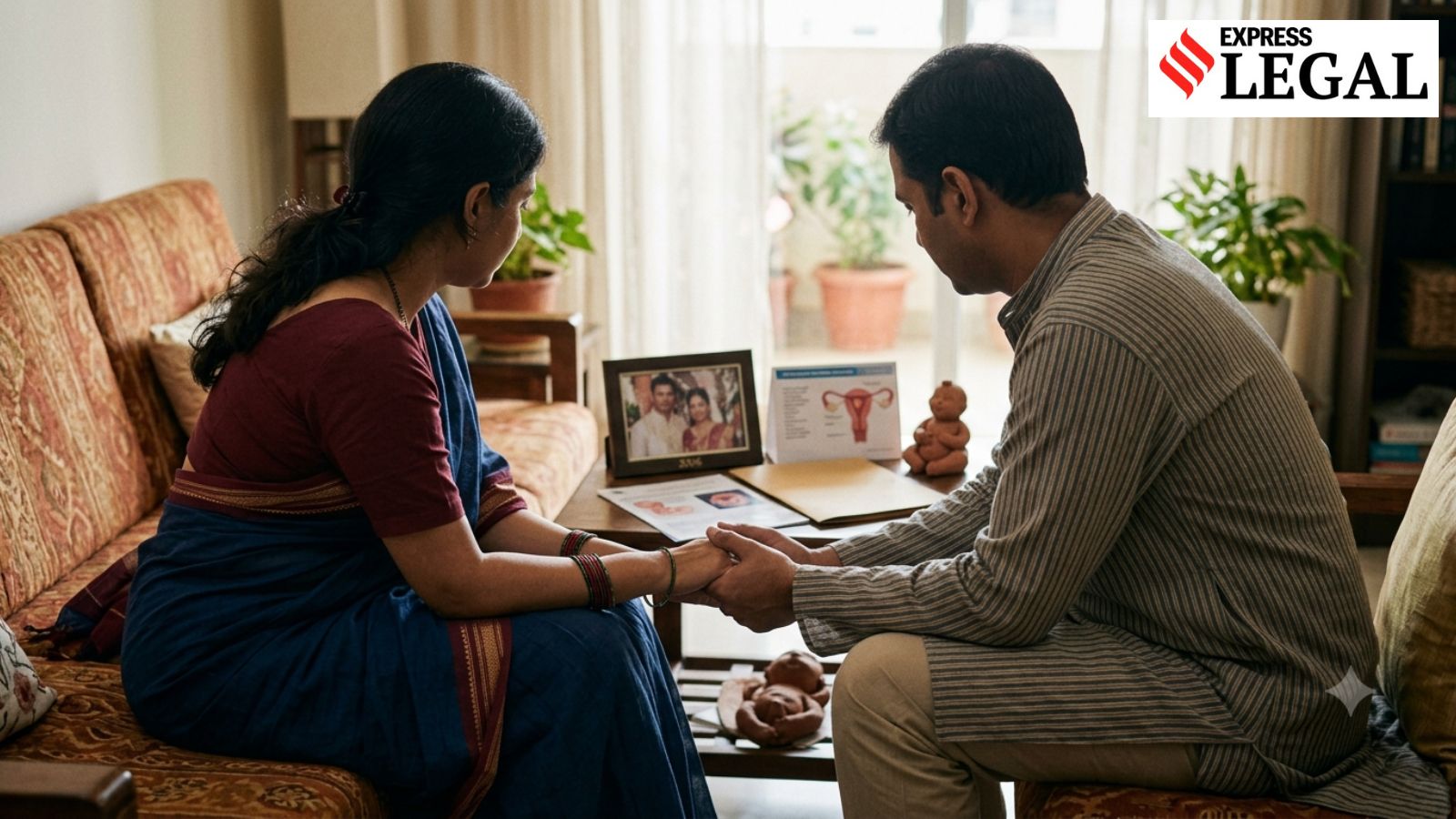
The Jharkhand High Court has stepped in to grant a compassionate appointment to a married woman, noting that her brothers refused to support their elderly, kidney-donor mother. The court ruled that marriage does not automatically negate dependency.
- Jharkhand High Court directed Coal Mines Provident Fund Organisation to appoint a married daughter on compassionate grounds.
- The court noted the brothers' refusal to financially support their elderly, ailing mother.
- Justice Deepak Roshan ruled that marital status alone cannot defeat a claim of dependency.
- The deceased employee, Arjun Prasad, worked in Dhanbad coal mines.
In a landmark judgment emphasizing social justice, the Jharkhand High Court has directed the Coal Mines Provident Fund Organisation to appoint the married daughter of a deceased employee on compassionate grounds. The court observed the dire circumstances of the family, particularly the plight of the elderly mother who had previously donated a kidney to her late husband.
The case involves the family of Arjun Prasad, an assistant in the Dhanbad coal mines who passed away in harness on November 25, 2013. Following his death, his wife, daughter, and two sons were left to navigate financial instability. While the daughter’s claim for a job was repeatedly rejected by the authorities on the grounds that she was married, the High Court has now overturned those decisions.
Why This Matters
BozokMedia analysis shows that this ruling sets a critical legal precedent regarding the definition of 'dependency' in Indian service law. By decoupling marital status from financial dependency, the court has protected women who, despite being married, remain the primary caregivers and financial pillars for their aging parents due to low household incomes.
The marital status by itself cannot defeat a claim where dependency is otherwise clearly established.
Justice Deepak Roshan noted that the petitioner (the daughter) was the sole person willing to support her mother. The court highlighted a troubling family dynamic: while the two brothers were in service, they refused to look after their mother, leaving the daughter and her elderly mother to survive on a meager pension. The mother’s health, compromised by her history as a kidney donor, made her unable to work.
Historical Background
The legal battle began in 2017 when the deceased employee's wife was informed that the daughter's claim for compassionate appointment was rejected due to her marriage. After years of representations and contempt proceedings, the woman approached the High Court in 2023, leading to this decisive intervention by the judiciary to ensure the family's survival.
Frequently Asked Questions
1. Why did the coal mines reject the initial claim?
The organization argued that because the daughter was married and her husband earned an income, she was not 'wholly dependent' on her father.
2. What was the court's stance on the brothers?
The court noted that the brothers lived independently and refused to provide financial or physical care to their mother.